Gardeners' World expert Joe Swift has unveiled his selection of nine essential plants designed to cover unsightly gaps in your garden, providing a lush, green appearance from spring until late autumn. The beloved BBC presenter, who has been a fixture on the horticultural programme since 1998, shared his insights on the optimal timing for purchasing tender plants and his preferred strategies for achieving year-round garden coverage.
The Problem with Bare Soil
Joe Swift openly admits that he cannot tolerate the sight of bare soil in his garden. Writing in The Times, he explained, "In winter, some bare soil is inevitable unless you grow only evergreens. But from spring through to late autumn, I want to see green, not brown." He describes the current season as an "exciting time" for gardeners, with bulbs beginning to emerge and grasses awakening from their winter dormancy.
Planting Strategy and Terminology
Swift typically plants around five specimens per square metre, ensuring at least one is a low-growing variety to fill spaces between taller plants and shrubs. He prefers the term "spring-flowering gap-fillers" over "ground cover," which he believes has garnered an undeserved negative reputation. Importantly, he cautions that it is still too early to invest in tender plants, advocating instead for hardy, self-seeding varieties that will return annually to naturally fill garden beds.

Joe Swift's Nine Spring-Flowering Gap-Fillers
The horticulturalist recommends planting clusters of roughly three of these nine plants to effectively blanket garden areas. His curated list includes:
- Bugle: A striking deep-blue bloom with evergreen foliage, ideal as a shady low ground cover choice.
- Siberian Bugloss: A top foliage plant that can reach about 45cm in height, producing white or blue blooms from April to May alongside rich dark green leaves.
- Corydalis (Blue Panda): This plant carpets the ground and self-propagates, growing to approximately 60cm, with the blackberry wine variety achieving similar heights.
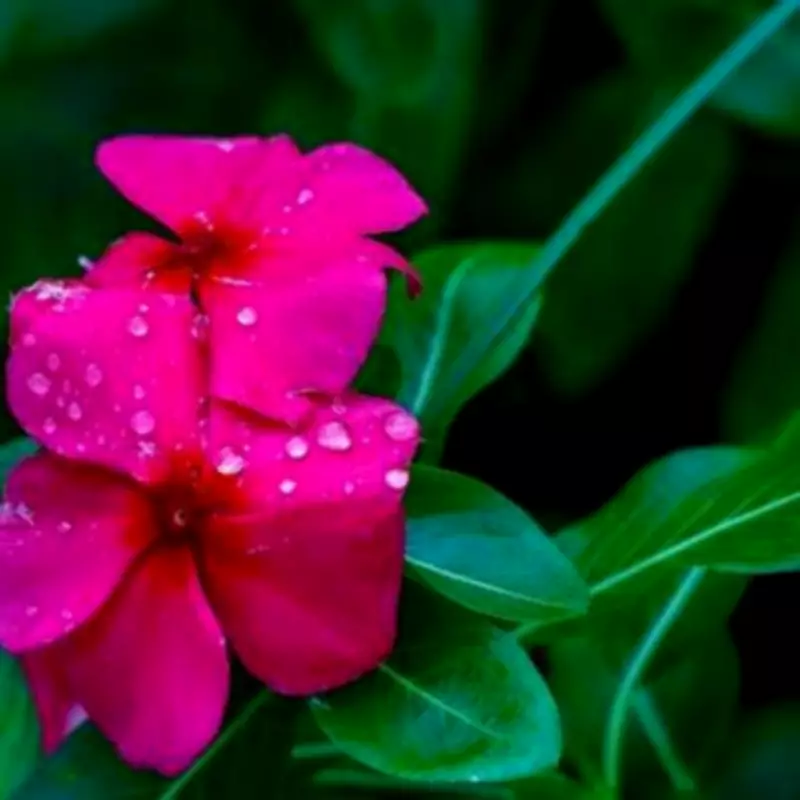
- Periwinkle: An excellent choice for filling bare patches, featuring evergreen foliage with violet and blue blooms; the Vinca Minor variety boasts a velvety-rich purple flower.
- Barrenwort: A white-blooming specimen that effectively occupies empty spaces in the garden.
- Sweet Woodruff: Described as "excellent ground cover," this white-flowering plant is perfect for tackling tricky gaps.
- Lungwort: An early-season flowering option available in shades of blue, white, and silver, typically blooming in March, with some varieties featuring mottled foliage.
- Fringe Cups (Tellima Grandiflora): Often planted in sheltered spots, this plant displays limey green scalloped foliage and produces greenish-white flowers from May through summer.
- Foam Flower: A reliable plant that grows to about 25cm, flowering for an extended period with fragrant blooms and heart-shaped, marbled leaves.
Practical Gardening Advice
By incorporating these hardy, self-seeding plants into your garden now, you can ensure a vibrant and continuous display of foliage and flowers. Swift's approach not only addresses the aesthetic issue of bare soil but also promotes sustainable gardening practices through the use of perennial varieties that require minimal intervention once established.