Japan's Kimono Revival: Traditional Garments Get Sustainable Makeover
Japan's iconic kimonos, those elaborate and delicate wrap-around garments historically worn by geisha and samurai, are undergoing a vibrant transformation. In a modern twist, these traditional items are now celebrated for a quality more relevant than ever: sustainability. A genuine silk kimono, which translates to "worn thing," can last over a century, often passed down through generations like heirloom jewelry or artworks, ensuring it never falls out of style.
Creative Repurposing of Kimonos
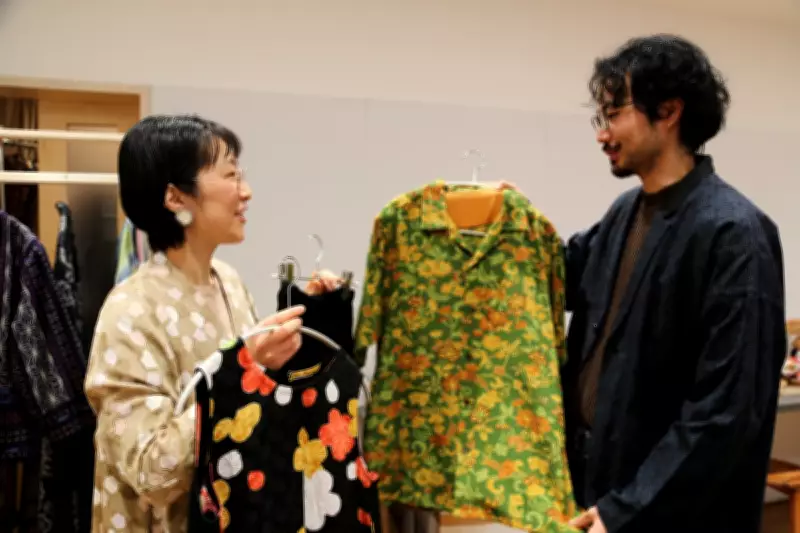
The design of the kimono and its accompanying "obi" sash has remained largely unchanged since the 17th-century Edo period, as depicted in Akira Kurosawa's samurai films. However, today, innovative individuals are taking a fresh approach by refashioning these garments into jackets, dresses, pants, and more. Mari Kubo, founder of the kimono-remake business K'Forward, noted, "I noticed that a lot of beautiful kimono is just sleeping in people's closets. That's such a waste." Her company is part of a recent surge in services that also transform old kimonos into tote bags and dolls.
Among Kubo's most popular products are "tomesode," formal black kimonos adorned with colorful embroidered flowers, birds, or foliage at the bottom. She creates matching sets, or "set-ups," where a tomesode is converted into a jacket with its long sleeves intact and intricate patterns centered on the back. A complementary kimono is then used to craft a skirt or pants, sometimes with an obi added at the collar for a splash of color. Many of her customers are young people seeking to enjoy kimonos without the traditional fuss, with prices ranging up to 160,000 yen ($1,000) for a "furisode" or around 25,000 yen ($160) for a black tomesode.

Embracing Sustainability and Heritage
Tomoko Ohkata, another designer, finds joy in repurposing old kimonos, feeling she helps address ecological issues without guilt. "I feel the answer was right there, being handed down from our ancestors," she said. Recycling centres in Japan receive thousands of old kimonos daily, as many are discovered stashed away in family closets. While kimonos are typically worn only for special occasions like weddings today, with some preferring Western-style dresses, Ohkata's clients often seek to give these heirlooms new life, valuing the stories behind them.
Her small Tokyo store showcases dolls dressed in recycled kimonos, such as samurai and wife pairs traditionally displayed for the Girls' Day festival. These exquisitely tailored dolls sell for 245,000 yen ($1,600) per pair, highlighting the craftsmanship involved. Meanwhile, the art of wearing a kimono is also being rediscovered. Nao Shimizu, who runs a school in Kyoto, teaches people how to don kimonos and carry themselves gracefully, noting, "Unlike the dress, you can arrange it." She demonstrates various ways to tie the obi to express different moods, from playful to understated, emphasizing the kimono's versatility and sustainability.
Modern Adaptations and Cultural Resonance
Younger Japanese are adopting a more relaxed approach, pairing kimonos with boots instead of traditional sandals called "zori." Although putting on a kimono traditionally requires skill, lessons from teachers like Shimizu or professional help at beauty parlors and hotels make it accessible. Most Japanese may wear a kimono only a few times in their lives, but it remains a memorable experience. Sumie Kaneko, a singer who plays traditional instruments like the koto and shamisen, often performs in flashy dresses made from recycled kimonos. She links sustainability to Japanese culture, noting the scarcity of materials like ivory and animal hide for her instruments, calling it "the recycling of life."
Based in New York, Kaneko reflects, "The performer breathes new life into them. In the same way, a past moment—and those patterns and colors that were once loved—can come back to life." This revival not only preserves heritage but also promotes eco-friendly practices, blending tradition with contemporary fashion in Japan's evolving cultural landscape.