A viral social media revelation from a rubbish collector is challenging long-held recycling habits, suggesting many households have been wasting time and effort for years. The popular online binman, known as @Theno1.binman on TikTok, has addressed a common query about whether labels need to be removed from tins and jars before recycling.
The Label Debate Settled
In response to a follower's question, the binman delivered a clear message: "No, you don't need to. There's a certain number of items you are allowed to leave [labels] on. We don't expect you to have to scrape off the paper or whatever it is." This contradicts the widespread practice of soaking containers in hot water or meticulously peeling stubborn labels, which many recyclers believed was essential.
The Real Rule That Matters
However, the binman emphasized a far more critical requirement that must be followed to ensure collections proceed smoothly. "That doesn't mean you shouldn't clean them still," he warned. "If there is food inside that needs to come out, we don't want it. It can spread across other things and can become a contaminated bin, and nobody wants that." Failure to properly empty and rinse containers risks entire bins being left uncollected on pickup day.

Official Guidance Confirms Position
National recycling campaigns support this practical approach. The Recycle Now website explicitly states that labels "can be left on" food and drink tins, while stressing these items must be emptied and rinsed thoroughly. Similarly, Zero Waste Scotland confirms online that Scots can "leave the labels on unless your council has advised otherwise," with Wales Recycles echoing this guidance for Welsh residents.
Regional Variations and General Guidelines
While label removal isn't generally required, recycling rules do vary significantly across different local authorities. For instance, some London boroughs refuse shredded paper unless contained properly, while other regions have no such restrictions. The Recycle Now website provides comprehensive listings of materials and specific rules to prevent issues at recycling plants.
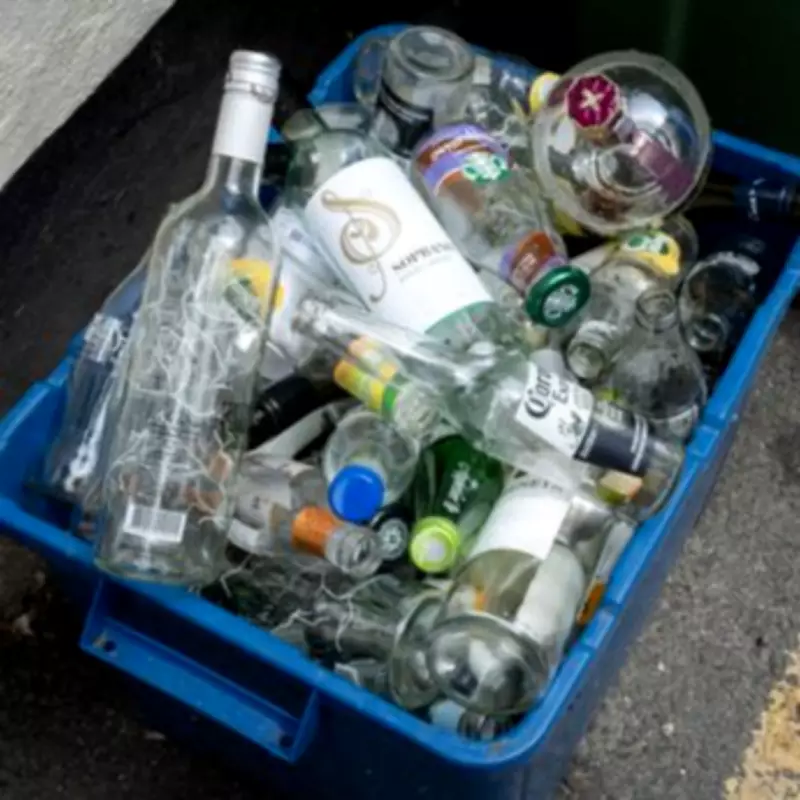
For glass bottles and jars, universal best practices include:
- Empty and rinse quickly: Residual liquids can contaminate other recyclables, rendering entire batches unrecyclable.
- Replace lids and caps: This prevents small components from getting lost during sorting processes, as they can be recycled separately.
Previous Warnings About Contamination
The TikTok binman, who boasts over 155,000 followers, has previously highlighted how single incorrect items can jeopardize entire collections. He cautioned that most local authorities will refuse to collect bins containing polystyrene mixed with approved recycling materials. Although technically recyclable, polystyrene presents disposal challenges and contamination risks.
Recycle Now's official stance reinforces this, describing polystyrene as "a type of plastic which is not commonly recycled and should be placed in the waste bin." This underscores the importance of following local guidelines precisely to avoid collections being abandoned at the kerbside.
For the most accurate and current recycling information applicable to specific areas, residents are advised to consult their local authority websites directly. These resources provide detailed restrictions and requirements that ensure recycling efforts are effective and collections remain uninterrupted.