Australia's Unwanted Clothing Crisis: A Landfill Dilemma
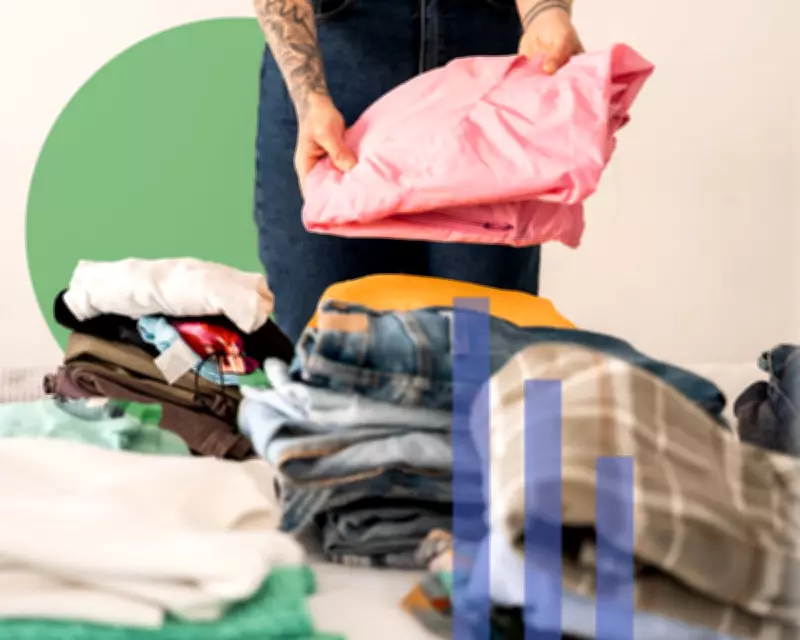
Wardrobes across Australia are overflowing as the nation purchases more clothing than ever before, leading to a staggering waste problem. According to Seamless, the country's national clothing stewardship scheme, about 229,000 tonnes of unwanted clothes end up in landfill annually. This equates to roughly half of all discarded garments, highlighting a critical environmental issue that demands immediate attention.
The Scale of Overconsumption
Australians bought approximately 1.5 billion items of new clothing last year, which translates to 55 new garments per person. A report by Seamless reveals that nationally, 53% of unwanted clothes are sent to landfill, while 38% are reused locally or exported, and only 9% are recycled. Despite increasing trends in reuse and secondhand sales, these efforts are insufficient to counteract the massive volume of textile waste being disposed of in landfills.
Ainsley Simpson, the chief executive officer of Seamless, warns that the "normalised" overconsumption of clothing is exacerbating climate and water footprints. This unsustainable practice contributes to around 14.5 million tonnes of carbon emissions and consumes the equivalent of 1.8 billion tonnes of water annually, undermining progress toward a circular economy.

Innovative Solutions: From Waste to Resource
In response to this crisis, innovative approaches are emerging to give unwanted garments a second life. One notable example is the New Zealand label Kowtow, which has pioneered efforts to eliminate plastic and petrochemicals from its clothing. Founder Gosia Piatek explains that the label has made a bold decision to go entirely plastic-free in production, including trims like zips and buttons.
Kowtow is now addressing end-of-life garment management by converting textile waste into biochar, a charcoal-like substance that enriches soils. This process requires clothes to be organic and plastic-free; returned items have trims removed and reused in repair programs. So far, the scheme has transformed a tonne of textile waste into a valuable resource, with Piatek noting, "This idea that we can now eat our clothes is pretty revolutionary."
Tessa Bradley, Kowtow's head of sustainability, adds, "By unmaking what we've made, we give back. This isn't the end of a garment's life. It's the start of something bigger – a future where fashion becomes a force that restores, not extracts."
Practical Steps for Consumers
Many Australians remain uncertain about how to handle unwanted clothing. Seamless statistics indicate that about 5.27 billion items are stockpiled in wardrobes, equating to 193 items per person. An RMIT survey found most Australians own unworn clothes, with a third not touching half their wardrobe.
Ainsley Simpson advises, "First, choose to re-wear, repair and share where possible. This includes donating good-quality items to established charity and resale networks to extend the life of garments and reduce the demand for new clothes." Charity stores, such as Salvos Stores, welcome clean, good-condition donations, with specialist manager Matt McMahon suggesting, "If something is good enough to give to a friend then it's probably good enough to donate."
Recycling Challenges and Initiatives
Textiles have the lowest recycling rate of any waste material at just 5%, primarily from carpet recycling, according to federal government data. Australians produce an estimated 33kg of textile waste per person, with clothing being the largest component. Tailored recycling schemes remain niche but are growing.
In South Australia, a collaborative effort between state and local governments and charity partners led to "set your clothes free" collection drives, recovering nearly 20 tonnes of textiles for resale and recycling in a single event. Additionally, Seamless-funded pilots, including postal return satchels by Australia Post and R.M. Williams, workplace collections, and local textile recycling hubs, are becoming more accessible.

Systemic Changes Needed
Julie Boulton, a sustainable fashion consultant, emphasises the need to shift perceptions, stating, "We need to get rid of the idea that clothes are disposable items. They are not." She calls for system-wide changes, such as holding producers accountable for their products and preventing the use of environmentally damaging materials.
Boulton argues that overproduction leads to heavy discounting and unsold stock, obscuring the true cost of clothing. Consumers can play a role by being more considered in purchases, focusing on needs over wants, and avoiding impulse buys. Repairing and reusing garments wherever possible can significantly reduce waste and promote a more sustainable fashion industry.