Alan Titchmarsh Advocates for Chemical-Free Weed Control in Gardens
Renowned television gardening expert Alan Titchmarsh has issued a timely call to action for gardeners, emphasising that now is the ideal moment to tackle weeds without resorting to chemical herbicides. In a recent update shared on his YouTube channel, Titchmarsh highlighted the advantages of early spring for organic weed management, stressing the importance of proactive measures to maintain healthy outdoor spaces.
Why Now Is the Perfect Time for Weeding
Alan Titchmarsh explained that the current seasonal conditions provide a unique opportunity for effective weed removal. "Now is a great time to turn our attention to weeding," he stated. "The weeds are young, and the soil is moist, which means the roots will come out more easily." This approach not only simplifies the task but also aligns with his long-standing commitment to organic gardening, a practice he has followed for over four decades.
Weeds, defined as plants growing where they are not wanted, can be both unsightly and detrimental, as they compete with desired plants for resources like water and nutrients. Titchmarsh warned that allowing weeds to flourish can lead to overcrowding and damage to existing garden flora.

Tools and Techniques for Effective Weed Removal
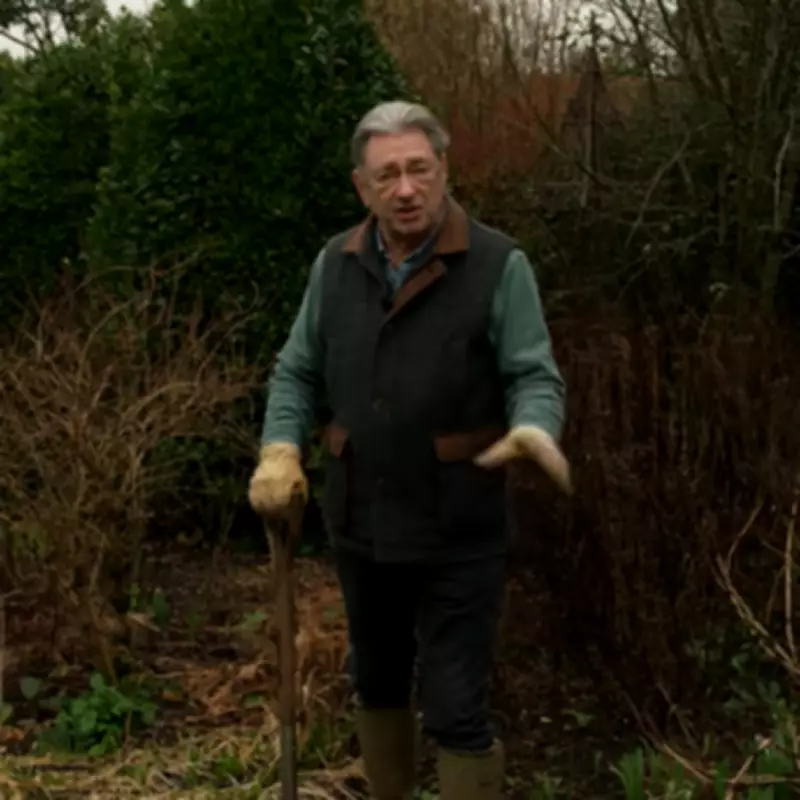
To successfully banish weeds, Titchmarsh recommends using basic gardening tools such as a spade and a fork. He demonstrated a simple method: inserting the spade into the ground around the weed and digging until it loosens. It is crucial to remove the entire root system, as merely pulling the foliage will not prevent regrowth. For weeds with thick, deep roots, thorough digging around the plant is essential to ensure complete extraction.
For annual weeds, which grow, flower, and seed once a year, Titchmarsh advises removal before they flower to prevent seed dispersal. He suggests using a Dutch hoe for this purpose, skimming it over the surface to sever weeds from their roots, especially in areas like gravel paths where weeds commonly appear.
Preventative Measures to Suppress Future Growth
Prevention plays a key role in long-term weed control. After clearing weeds, Titchmarsh recommends applying mulch to the soil. "Mulch is an organic blanket," he explained, typically one and a half to two inches thick. Materials like chipped bark can form a protective layer that suppresses weed seedlings by blocking light and moisture.
This method is effective not only in garden beds and borders but also in pots and containers, where weeds can steal vital resources from cultivated plants. Titchmarsh urged gardeners to act promptly: "Get them out now before they drop their seeds and multiply and damage your existing plants."
Embracing an Organic Gardening Philosophy
Alan Titchmarsh's advice underscores a broader shift towards sustainable gardening practices. By avoiding chemical herbicides, gardeners can protect the environment and promote biodiversity. His tips offer a practical, accessible solution for maintaining weed-free gardens, leveraging natural conditions and simple tools to achieve lasting results.
Even in well-maintained gardens, some weed recurrence is inevitable, but with consistent effort and these organic strategies, gardeners can keep their outdoor spaces thriving and beautiful throughout the year.