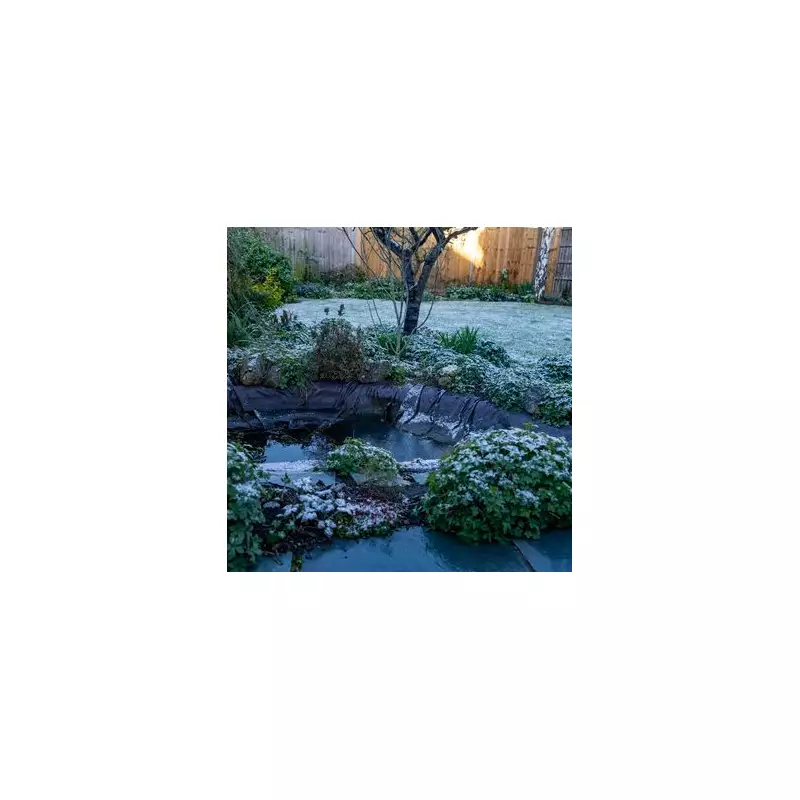
The UK's January has begun with a bitterly cold snap, bringing widespread frost, ice, and snowfall. This wintry transformation extends to our gardens, where fish ponds can quickly become solid sheets of ice. While the instinct may be to break this ice, a leading gardening expert has issued a stark warning: smashing holes can seriously harm your fish.
The Hidden Danger of Smashing Ice
TikTok gardening authority Ish Kamran recently advised his followers against using force on a frozen pond. He explained that a solid ice layer actually acts as a thermal blanket, helping fish conserve warmth at the pond's bottom. The real danger comes from the shockwaves created by hammering or forcefully breaking the ice.
"If you smack it with a hammer and try and break a hole in it, it creates a kind of pulse in the water that can stress [your fish] and sometimes hurt them," Ish cautioned. This sudden pressure change can injure or even kill the pond's inhabitants, turning a well-intentioned act into a tragedy.

Safe Alternatives for Oxygen Exchange
If you're concerned about oxygen levels during a prolonged freeze, creating a small opening is still necessary, but it must be done gently. Ish recommends avoiding heavy tools like spades or hammers entirely. Instead, use a small hand trowel or similar pointed tool to gently scrape and melt a modest hole in the surface.
This careful method allows vital gas exchange without destroying the ice's insulating properties or sending harmful shockwaves through the water. "That small hole will let enough oxygen in to keep them happy, but also keep that thermal property," he added.
Proactive Tips and Community Wisdom
Viewers of Ish's video shared their own proven methods for winter pond care. One popular suggestion is to float a small ball, like a tennis ball, on the pond's surface before a freeze. As the water turns to ice, it freezes around the ball, leaving a small air pocket and preventing a complete seal. Ish endorsed this tip, confirming, "Great shout! I tried with a tennis ball, and it perfectly froze around it."
Another common technique involves using a pan of hot water. Place the heated pan on the ice to gradually thaw a hole. However, this requires constant supervision, as the ice can give way unexpectedly, potentially sinking your pan to the bottom of the pond.
For bird baths, the advice differs. It is beneficial to clear ice and provide fresh water daily, as birds rely on these sources for drinking and preening throughout winter. The key distinction is that bird baths don't contain sensitive aquatic life vulnerable to underwater shockwaves.
To summarise, the core guidance for frozen fish pond care is clear: never use force. Protect your fish by using gentle, controlled methods to maintain a small opening, or employ preventative measures like floating a ball. By following this expert advice, you can ensure your pond's ecosystem survives the winter freeze safely.