TikTok Stampede Forces Early Closure of California Tulip Farm
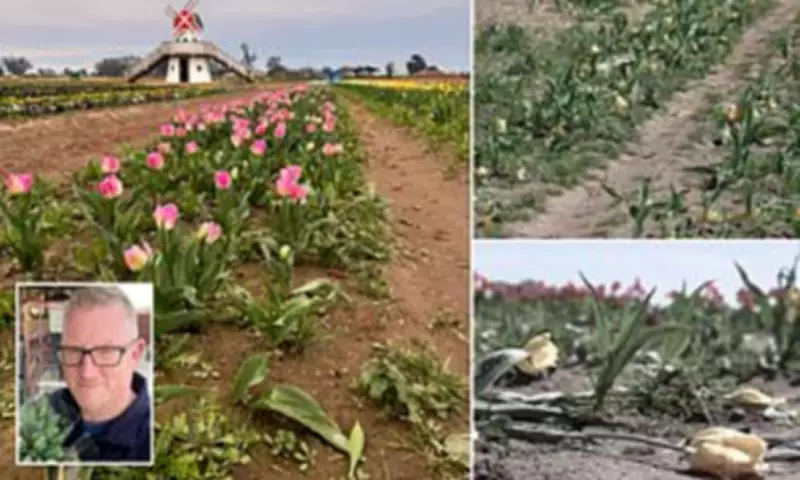
A picturesque tulip farm in California's Central Valley has been forced to shut its picking season prematurely after an overwhelming influx of TikTok users caused widespread destruction to its precious blooms. Dutch Hollow Farms, located in Modesto, California, typically welcomes local crowds to enjoy its vibrant tulip fields, but this year, viral social media content triggered a chaotic scene that left the farm in disarray.
Viral Fame Turns into Agricultural Nightmare
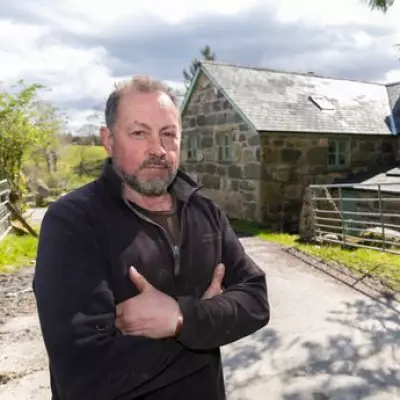
John Bos, the owner of Dutch Hollow Farms, had meticulously planted 250,000 tulips in anticipation of the usual seasonal visitors. However, after a few TikTok videos showcasing the farm's stunning vistas went viral, the situation spiraled out of control. Bos recounted to the Daily Mail that influencers and social media enthusiasts swarmed the property, desperate to capture the perfect photograph for their online feeds.
'It went nuts on TikTok. We got overwhelming crowds. We kind of had a feeling it was gonna be busy, but we had no idea what was coming,' Bos explained. He described the visitors as going 'feral' once they arrived, with around 4,000 people descending on the farm in a single day. Cars lined up for half a mile, and patrons endured waits of up to an hour and a half just to enter the premises.

Destructive Behavior and Financial Loss
Once inside, many visitors engaged in reckless behavior that devastated the tulip crop. Instead of carefully picking flowers to purchase, they yanked tulips from the soil solely for photo opportunities, then discarded them on the ground. Bos lamented, 'They would take gorgeous pictures out there in the middle of the field and then proceed to dump 10 or 15 stems.' This 'pick and dump' trend not only created a mess for staff to clean up but also represented a significant financial blow, as the farm could not sell the damaged blooms.
Bos branded this conduct as essentially theft, stating, 'Not only does this make my field a blight, it’s essentially theft, you may not be taking it along, but it’s destructive and money out of my pocket.' He emphasized that the tulip farm is not a highly profitable venture, with investments equivalent to a 2026 Toyota Highlander tied up in the field.
Social Media Backlash and Farm's Response
The destructive trend did not go unnoticed on social media. One TikTok video, which showed a user with tulips covering her face and roots exposed, garnered over 300,000 likes, but many comments criticized the behavior. Users pointed out that such actions were why the farm had to close early. In response, Bos issued a stern warning on social media just one day after opening, urging visitors to control their behavior and calling out those who engaged in destructive practices.
He wrote, 'I absolutely hate the fact that after one day I need to post this. But when my picking crew tells me what a mess it is in the field. I will address it.' Bos also encouraged customers to confront others who picked and discarded tulips, warning that offenders would be asked to leave without refunds.
Cultural Significance and Future Plans
The premature closure was particularly disheartening for Bos, as it meant missing International Women's Day on March 8, typically a lucrative business day. Moreover, the tulip holds sacred value for his family, as his parents immigrated from the Netherlands, a nation renowned for its tulip farms. His mother, who worked in a Dutch flower shop, inspired him to cultivate tulips in California.
Reflecting on the season, Bos noted, 'The flowers were unbelievable this year,' but the customer influx became 'too much of a good thing.' He likened it to having too many cocktails, where initial enjoyment turns into regret. Looking ahead, Dutch Hollow Farms plans to enhance security measures for next year's picking season, including staff patrols to monitor the fields and prevent similar destructive behavior. Bos hopes these steps will allow the farm to accommodate large crowds while protecting its cherished blooms.