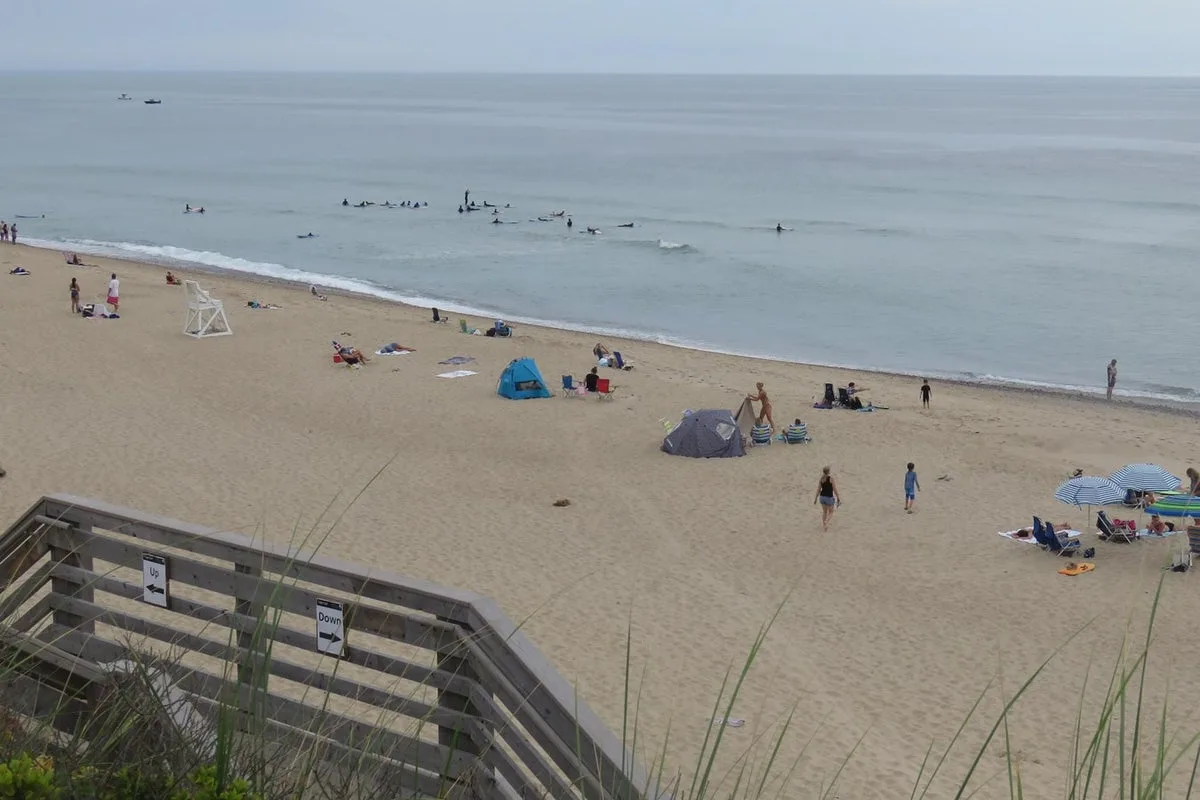
A small staircase at Cape Cod National Seashore's Marconi Beach has required approximately £800,000 ($1 million) in repairs over the past 25 years due to relentless coastal erosion, according to the Cape Cod Times.
The wooden steps, which provide access to the beach from a 50-foot bluff, have been replaced multiple times since 2001. The most recent replacement, completed last year, cost £99,000 ($124,000) and was funded by the Friends of the Cape Cod National Seashore. Another replacement in 2024 cost £196,000 ($246,000) and was paid for by the National Park Service.
Coastal erosion, exacerbated by powerful nor'easter storms, causes the bluff to lose three to six feet annually. The current stairs, installed less than a year ago, are already showing signs of damage after a February blizzard eroded the bluff behind them.

Officials are grappling with the long-term viability of the staircase. Cape Cod National Seashore Acting Superintendent Leslie Reynolds said the decision to continue funding replacements depends on budgets and resources. A spokesperson emphasised that the stairs are critical for public access, as the steep cliffs make the beach otherwise unreachable.
Cultural resources manager William Burke noted that alternative options have been considered but are constrained by regulations requiring safe access for all ages and abilities. “We can’t just throw over a rope ladder every summer,” he told the Cape Cod Times.
Marconi Beach, named after inventor Guglielmo Marconi, is a popular spot for swimmers and surfers. The area also holds historical significance as the site of the first two-way transatlantic wireless transmission in 1903 and is near the wreck of the pirate ship Whydah.