A Welsh Village's Triumph: Preserving a Forest and Forging a Future
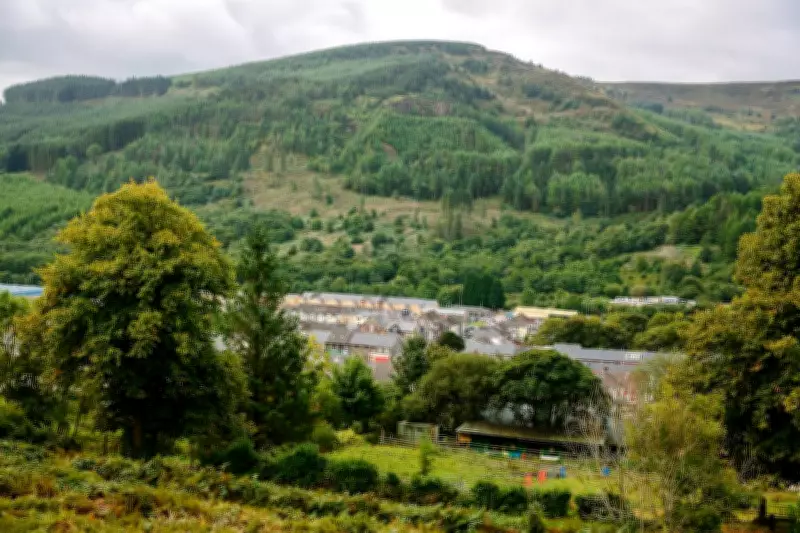
In a remarkable display of community spirit, a small village in Wales has achieved a significant victory by saving its cherished local forest from potential development. This grassroots effort not only safeguarded a vital natural habitat but also secured the village's long-term ecological and economic prospects, setting a powerful example for rural communities across the UK.
The Threat to a Treasured Landscape
The forest, which has been a cornerstone of the village's identity for generations, faced an uncertain future due to proposed commercial development plans. These plans, which emerged in early 2026, threatened to clear large sections of the woodland for industrial or residential use, risking biodiversity loss and disrupting the area's delicate ecosystem. Residents quickly mobilized, recognizing that the forest was more than just trees—it was a source of recreation, wildlife habitat, and cultural heritage that defined their way of life.
Community Mobilization and Strategic Action
Villagers organized a series of coordinated actions to oppose the development. This included:

- Public Campaigns: Launching petitions and social media awareness drives to garner local and national support.
- Environmental Advocacy: Collaborating with conservation groups to highlight the forest's ecological importance, including its role in carbon sequestration and as a home to endangered species.
- Economic Arguments: Presenting data on how preserving the forest could boost tourism and sustainable livelihoods, rather than short-term development gains.
- Political Engagement: Lobbying local councils and Welsh government officials to reconsider the plans, emphasizing community consent and environmental stewardship.
Through persistent efforts, the village gained widespread backing, turning the issue into a symbol of grassroots resistance against unsustainable development.
Securing a Sustainable Future
The campaign culminated in a decisive victory when authorities withdrew the development proposals in February 2026, officially designating the forest as a protected area. This outcome ensures that the woodland will remain intact for future generations, supporting biodiversity and providing recreational space. Moreover, the village plans to leverage this success by developing eco-tourism initiatives and educational programs focused on conservation, transforming the forest into an asset for sustainable economic growth.
This story underscores the power of community action in environmental protection, demonstrating how local initiatives can influence policy and preserve natural heritage. It serves as an inspiration for other villages facing similar threats, highlighting that collective determination can indeed save both forests and futures.