Malaysian Resort Owners Face Jail and Fines Over Illegal Pangolin Menu for Tourists
In a shocking breach of wildlife protection laws, a tourist resort in Malaysia is confronting severe penalties after authorities discovered it was serving meat from a protected pangolin species, marketed to guests as an "exotic" dining experience. The raid, part of a coordinated enforcement sweep known as "Ops Khazanah," targeted wildlife crimes in the eastern state of Sabah, uncovering a live Sunda pangolin and cooked dishes suspected to contain meat from protected wildlife.
Details of the Wildlife Raid and Discovery
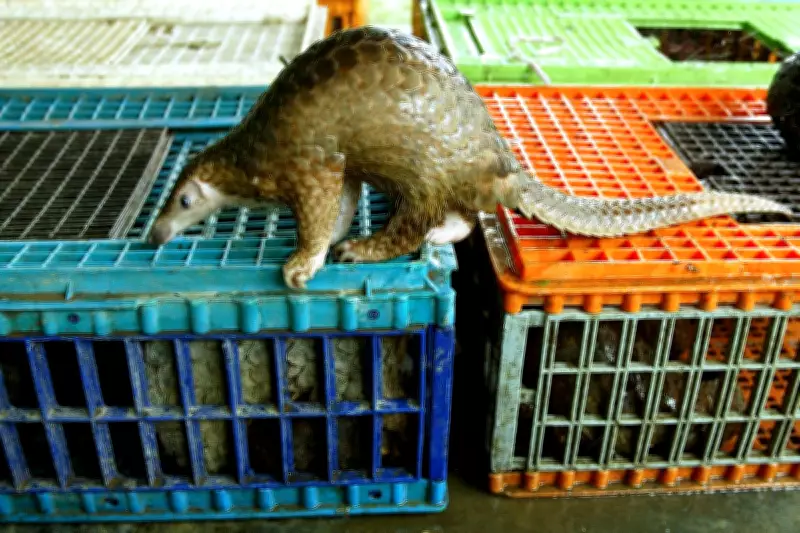
Acting on intelligence that protected species were being prepared for tourists, officers stormed the resort and found a live Sunda pangolin (Manis javanica), along with pots of pangolin cooked in herbal soup and several other dishes. Three individuals were detained to assist investigations under the Sabah Wildlife Conservation Enactment 1997, as confirmed by Sabah wildlife department director Mohd Soffian Abu Bakr. The Sunda pangolin is listed as a Schedule I species under Sabah law, meaning it is totally protected, with no licences or permits issued for its possession, storage, sale, or preparation as food—including by tourism operators.
Global Context of Pangolin Trafficking
Globally, pangolins are considered the world's most trafficked mammals and are classified as critically endangered. Conservation groups, such as Global Conservation, estimate that over a million pangolins have been poached from the wild since 2000, with predictions of an additional 80 per cent decline within the next two decades if protection efforts fail. The scales of pangolins are trafficked for use in traditional remedies claimed to treat ailments from acne to cancer, while their meat is prized as a high-end delicacy in parts of Southeast Asia and China, fueling a lucrative illegal trade.

Legal Penalties and Enforcement Actions
Under Sabah state law, those convicted of handling protected wildlife face fines ranging from 50,000 to 250,000 ringgit (approximately $12,800 to $64,200) and prison terms of one to five years. Authorities have emphasised that the legislation is applied strictly to any individual or business found involved in such activities. Officials warned that serving endangered species not only breaches conservation laws but also harms Sabah's reputation as a sustainable ecotourism destination, undermining broader environmental protection efforts.
Historical and Future Conservation Measures
In 2018, all hunting of the Sunda pangolin in Sabah was banned, closing a previous loophole that had allowed the animal to be hunted under permit. The Sabah wildlife department has pledged to step up patrols and enforcement against tourism operators involved in wildlife crimes. According to The Star, Mr. Soffian stated, "We are taking this matter, as well as any incidents of preparing protected species as exotic meals for tourists, very seriously, and would take strict action against perpetrators. We are stepping up patrols and enforcement to protect our wildlife in Sabah." This incident highlights the ongoing challenges in combating wildlife crime and the critical need for vigilant enforcement to preserve endangered species and maintain ecological balance.