Gillingham Becomes UK's First Butterfly-Friendly Town Amid Population Crisis
Gillingham First UK Town to Pledge Butterfly Protection

Gillingham Pioneers UK's First Butterfly-Friendly Town Initiative

In a landmark move for environmental conservation, the historic market town of Gillingham in Dorset has become the first local authority in the United Kingdom to formally pledge support for a nationwide challenge aimed at reversing the severe decline of butterfly populations. The initiative, spearheaded by the Butterfly Conservation charity, calls upon councils across the country to take urgent action to protect these vital winged insects and their habitats.

Five-Point Pledge to Protect Pollinators

Gillingham's comprehensive commitment encompasses five critical steps designed to create a sanctuary for butterflies and moths. The pledge includes improving and creating new habitats specifically tailored for these species, completely ending the use of pesticides that are harmful to pollinators, and ensuring that all residents have access to green spaces within a fifteen-minute walk from their homes. Additionally, the town is taking serious measures to address the growing problem of light pollution, which disrupts nocturnal insects like moths. These actions form part of a broader biodiversity strategy to safeguard local nature and ecosystems.

Alarming Statistics Behind the Crisis

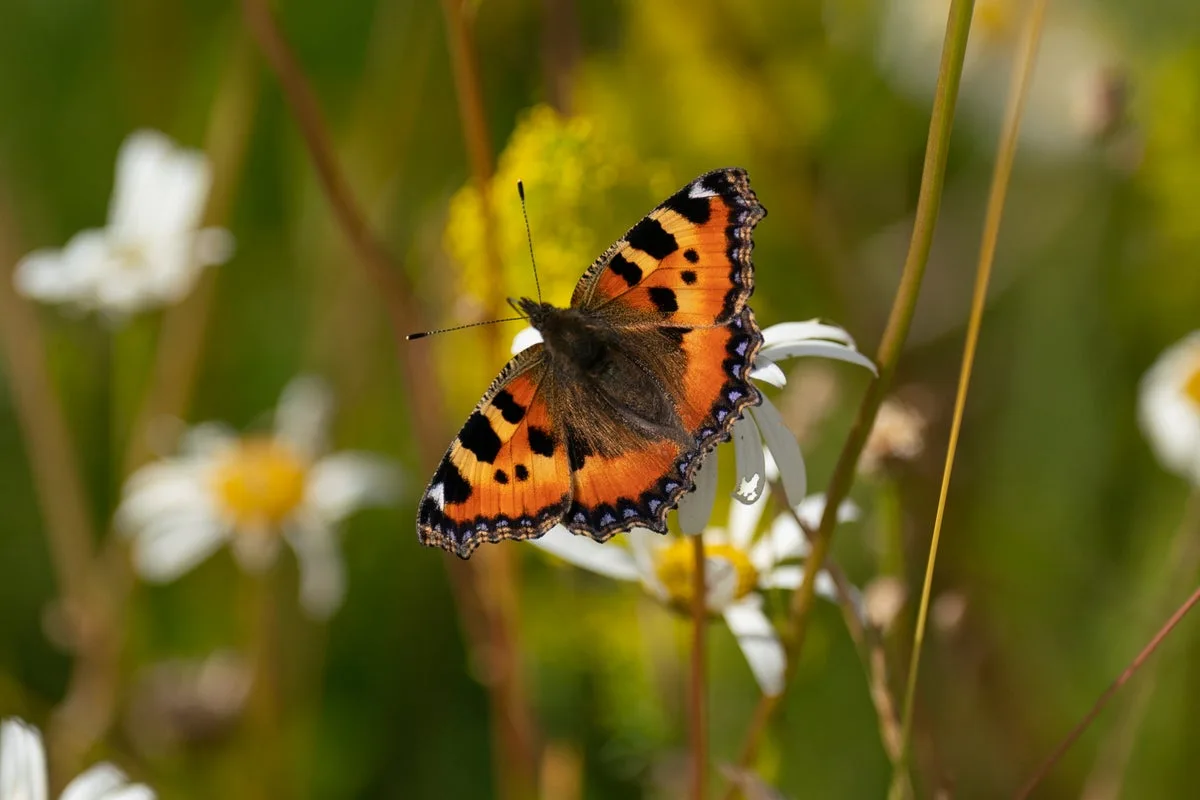
The urgent need for such initiatives is underscored by shocking data on UK butterfly populations. Statistics released last year revealed that 2024 ranked as one of the worst years on record for butterflies, with 31 out of the 59 resident UK species now experiencing long-term decline. Particularly distressing is the fate of the small tortoiseshell, a once-common garden butterfly whose numbers have plummeted by a staggering 86 percent since systematic monitoring began in 1976. Furthermore, 2024 marked the second-worst year ever recorded for wider countryside species, including the common blue, gatekeeper, and large white butterflies, highlighting a widespread ecological crisis.

Local Leadership and National Inspiration

Gillingham Mayor Fiona Cullen expressed pride in the town's pioneering role, stating, "We didn't realise we were the first, but I think all councils should be stepping up and coming on board with it." She described the decision as "an absolute no brainer" given the current climate and nature emergency, emphasizing that the pledge reflects Gillingham's ongoing commitment to protecting and enhancing biodiversity for future generations. The town is already implementing many of the required actions, benefiting from extensive green spaces and a dedicated grounds team collaborating with the Dorset Wildlife Trust.

Addressing the Trickiest Challenge: Light Pollution

Mayor Cullen acknowledged that tackling light pollution presents the most complex hurdle, as it requires balancing public safety with wildlife protection. To address this, Gillingham is planning an innovative solution: the creation of a 'Moon Meadow.' This designated green space will be situated away from artificial light sources and planted with flora beneficial to nocturnal pollinators like moths, offering a safe haven free from disruptive illumination.

Expert Insights on Habitat Loss

Pete Hughes from Butterfly Conservation highlighted the critical issue of habitat loss, explaining, "Sadly over the past 100 years butterflies and moths across the UK have fared very badly, and one of the main problems is the loss of habitat." He expressed optimism that towns signing the pledge could make "a real difference," with visible increases in butterfly populations potentially occurring within just a few years. The charity now hopes that other towns will swiftly follow Gillingham's exemplary lead, creating a network of butterfly-friendly communities across the nation.

Reflecting on the broader context, Mayor Cullen added a personal note, revealing, "I was born in 1968; during my lifetime the moth population has declined by around a third, which is pretty scary." This stark observation underscores the urgency of collective action to preserve these essential pollinators and restore the UK's natural heritage for generations to come.