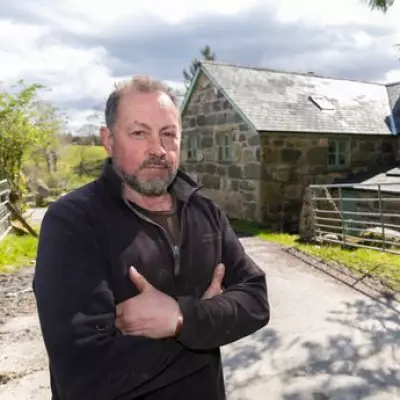
The escalating climate crisis is fundamentally altering the nature of poverty in developing nations, according to Patrick Watt, CEO of Christian Aid. In an exclusive interview, Watt emphasised that much more must be done to address developing country debt to enable effective climate responses.
Changing Landscape of Poverty
Christian Aid spent nearly £80 million on aid projects across 29 countries last year, funded partly by over 4,500 UK churches. These projects directly benefited 4.1 million people and indirectly reached 12.4 million. Watt noted that rising temperatures and extreme weather are drastically changing the challenges faced by those they support, prompting significant programme adaptations.
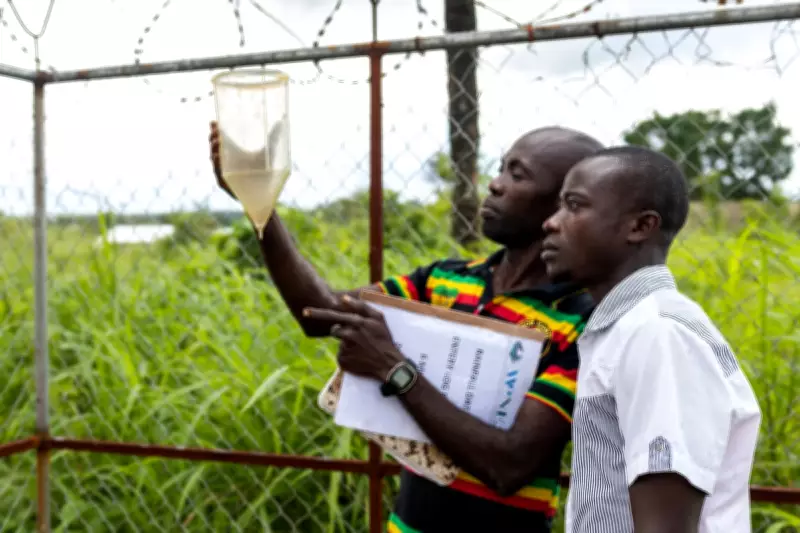
“Climate change is completely changing the whole landscape of poverty and the nature of efforts to end poverty,” Watt said. He highlighted a shift from supporting small-scale farmers with market access to incorporating climate adaptation, such as promoting climate-resilient crops, building flood-resistant warehouses, and improving water management.

Urgency for Decarbonisation
Watt echoed warnings from the World Bank and UN Development Programme, noting that nearly 80% of the world’s poor—887 million people—live in regions exposed to extreme heat, flooding, and other climate hazards. He stressed that rich nations must maintain urgency in decarbonisation efforts, warning against soft-pedalling mitigation in favour of adaptation alone.
“The Paris Agreement target has almost been jettisoned. There is a risk the rich world invests more in adaptation and soft-pedals on mitigation,” Watt said. He argued that many countries, which have barely contributed to climate change, cannot afford to adapt without significant emission reductions.
Debt Crisis and Climate Adaptation
Christian Aid has become a leading voice for debt relief, as low-income countries spend an average of 18% of government revenue on foreign debt servicing—up from 5% in 2014. Over 3.3 billion people live in countries that spend more on debt than on education or health. Meanwhile, cuts in grant-based foreign aid force poor countries to borrow more for climate adaptation, creating an unsustainable cycle.
Watt advocates for cancelling debts to sustainable levels and establishing a system for sustainable borrowing. He noted that while the 1990s Jubilee debt campaign addressed some issues, the lack of a forward-looking system has led to a recurrence. He insisted private creditors must also take losses, as many debts are now owed to private companies and pension funds.
Impact of Middle East Conflict
The ongoing Middle East conflict is worsening debt challenges, causing African currencies to depreciate against the dollar and raising the cost of servicing dollar-denominated debt. One month of war added nearly $4.4 billion to Africa’s annual debt burden. Price rises from the Strait of Hormuz closure hurt energy and fertiliser imports, harming smallholder farmers and worsening inflation.
“The net effect of this war is extremely negative,” Watt said, citing a UN report that predicts over 30 million people could be pushed into poverty. He warned of a growing divergence between the poorest and richest countries, similar to the Covid-19 pandemic.
Christian Aid Week 2026 runs from 10-16 May. This article is part of The Independent’s Rethinking Global Aid project.