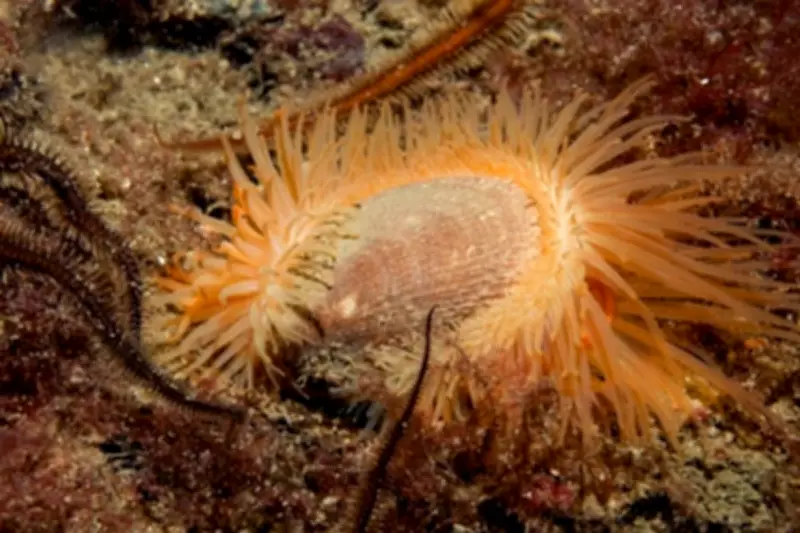
Highland Loch's Flame Shell Population Makes Remarkable Recovery
Experts have confirmed that a previously threatened shellfish population in a Scottish loch has made a full recovery following conservation efforts. In two new reports commissioned by NatureScot, researchers found the Loch Carron flame shell beds have been completely restored after the habitat was declared a Marine Protected Area (MPA) in 2017.
From Damage to Restoration
The first report, conducted by researchers from Heriot-Watt University, revealed that in 2017, flame shell nests in the Highland loch were severely disrupted and in disrepair, with scallop dredge tracks clearly visible across the seabed. When scientists examined the area four years later, they discovered the damage had been fully repaired, demonstrating the resilience of this marine ecosystem.
A more recent video report by NatureScot further confirmed that the shell bed has not only recovered but has expanded further into the loch, indicating positive growth beyond the original damaged area.

The Importance of Flame Shell Habitats
Flame shells, a small species of saltwater clam, live hidden on the seabed in intricate nests built from shells, stones, and other natural materials found in the loch. NatureScot emphasizes that these nests play a crucial ecological role by supporting other marine species and helping to stabilize the seabed structure.
These shellfish are generally found along Scotland's west coast and receive protection in five other Marine Protected Areas around Scotland, highlighting their conservation significance.
Expert Analysis and Conservation Success
Rie Pors, NatureScot marine habitats ecologist and surveyor, commented on the findings: "It's wonderful news that an important habitat like this, which is home to so many marine animals and plants, can recover relatively quickly from damage. It shows the big difference a Marine Protected Area can make for the animals and habitats in our seas."
Pors added important context: "It's important to note that while the bed in Loch Carron appears to have recovered fully, recovery may take longer in other locations, depending on the health of the bed before damage and on the extent and intensity of the damage."
The ecologist explained the specific circumstances that contributed to this success story: "Fortunately, in Loch Carron dredging didn't cause a mass removal of nest material, as it was the result of a single dredging incident over an otherwise healthy bed. It left a trail of broken and separated nest material on the seabed from which the flame shell beds appear to have recovered."
Pors concluded: "Loch Carron is a real success story, showing what quick and decisive conservation action can achieve."
The recovery of the Loch Carron flame shell population demonstrates the effectiveness of marine protection measures when implemented promptly. This case provides valuable insights for conservation strategies in other marine environments facing similar threats from human activities.