Europe's Unlearned Lessons: How the 1970s Oil Crisis Sparked Green Innovation
When Middle Eastern conflicts triggered a severe oil crisis in the 1970s, energy prices tripled, plunging economies into turmoil and forcing nations to rethink their reliance on fossil fuels. While many scrambled for short-term fixes, several European countries seized the opportunity to pioneer sustainable solutions that would shape their energy landscapes for decades.
France aggressively expanded its nuclear power infrastructure, making it the cornerstone of its electricity system. Scandinavian nations, particularly Sweden, invested heavily in insulating buildings and developing district heating networks to efficiently warm homes. The Netherlands championed cycling infrastructure, transforming urban mobility, while Denmark harnessed its wind resources to kickstart a global wind turbine industry.
Danish Wind Turbines: From Junkyard Parts to Renewable Leadership
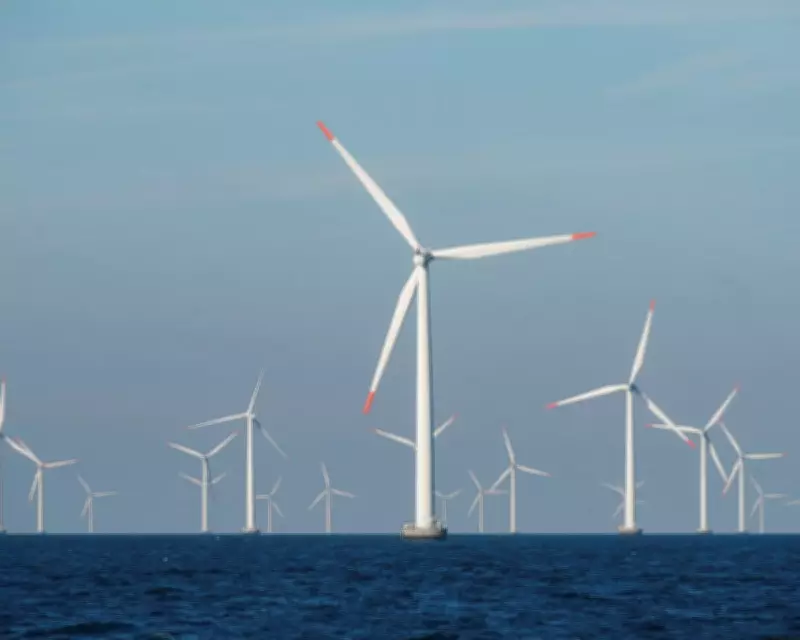
In the early 1970s, Denmark depended on oil for nearly all its energy needs, including heating, transport, and electricity. Today, it generates an impressive 91% of its electricity from renewables, largely thanks to visionary efforts sparked by the oil crisis. Henrik Stiesdal, an early pioneer, built one of Denmark's first wind turbines in 1975 using salvaged components, powering his parents' farm and igniting a commercial wind sector.

The Danish government played a pivotal role by introducing consumer subsidies for turbines, setting attractive tariffs for grid electricity, and ensuring grid connections. This created a specific demand for wind energy, driven by society's broader need for affordable and reliable power. Vestas, originally a crane company, evolved into the world's largest wind turbine manufacturer outside China, illustrating how crisis-driven innovation can yield long-term economic benefits.
Dutch Cycle Lanes: Transforming Mobility Amid Fuel Shortages
In response to oil price spikes, the Dutch government implemented a temporary ban on cars on Sundays in 1973, a measure that highlighted society's ability to function without fossil fuel-dependent vehicles. This was followed by structural changes, including the construction of segregated cycle lanes and people-friendly urban designs, which reduced reliance on foreign fuels and improved air quality.
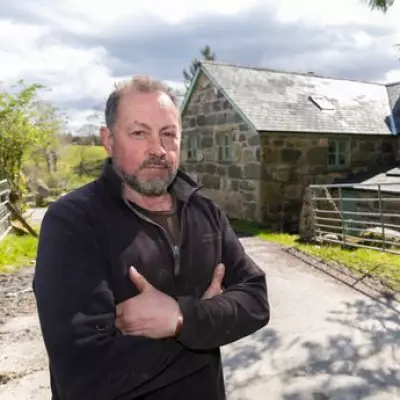
Jan Wittenberg, the first chair of the Dutch Cyclists' Union, noted that the car-free Sundays fostered public awareness and acceptance of sustainable mobility. The Netherlands now boasts the world's best cycling infrastructure, serving as a model for cities globally. However, recent European efforts to reduce car dominance have often been limited to urban areas, with challenges persisting due to the popularity of fuel-inefficient SUVs.
French Nuclear Power: A Forceful Push for Energy Independence
France's nuclear ambitions, rooted in post-war developments, accelerated dramatically with the 1973 oil crisis. The Messmer plan, enacted without public debate, led to the construction of 50 reactors within a decade, framed as essential for national energy independence and industrial modernisation. State support included loan guarantees to Électricité de France and legal protections for reactor projects.
While France's nuclear reliance has faced criticism over costs and uranium dependency, the Messmer plan exemplifies rapid, large-scale technological deployment. Similar urgency could address Europe's ageing electricity grids today, as noted in studies comparing it to wartime production efforts. The lesson, according to climate economist Anna Creti, is redirecting funds from fossil fuel imports into decarbonisation investments.
Clean Nordic Heating: Efficiency in Cold Climates
Northern European countries, vulnerable to oil price shocks due to their heating needs, used the crisis to innovate in thermal efficiency. Sweden, for instance, promoted district heating systems, which centralise heat production and allow for fuel flexibility. Government incentives and regulatory restrictions made these systems increasingly attractive, leading to widespread adoption across municipalities.

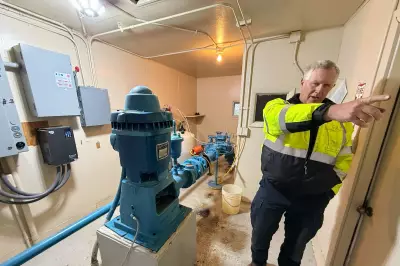
Today, these systems have evolved to burn less fossil fuel, incorporating waste and biomass, with some integrating large electric heat pumps. Magnus Åberg, a civil engineering professor, emphasises that resilience, highlighted by recent conflicts like the war in Ukraine, remains a critical consideration for energy infrastructure.
Contemporary Challenges and Missed Opportunities
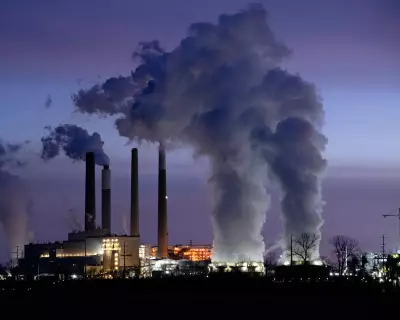
Despite these historical successes, Europe's response to more recent energy crises, such as Russia's invasion of Ukraine, has often prioritised short-term solutions like importing gas from the US and Middle East. While renewable rollout has accelerated, efforts to reduce energy consumption and phase out fossil fuel technologies have been undermined by industry lobbying and populist backlash.
Energy analyst Marin Gillot argues that reducing gas demand is essential for lowering prices and avoiding geopolitical constraints. The broader lesson, he suggests, is not merely diversifying energy sources but fundamentally addressing fossil fuel dependency through comprehensive, long-term strategies.
As ships laden with Middle Eastern fuel idle and global powers vie for energy dominance, the pioneering steps of the 1970s offer a blueprint for accelerating the green transition. The question remains: will Europe learn from its past to build a more sustainable and independent energy future?