Baby Hedgehog's Desperate Struggle Highlights Litter Crisis
The RSPCA is issuing an urgent plea to the public as a baby hedgehog was found desperately trying to escape a discarded zip-tie, underscoring the devastating impact of litter on wildlife. This incident coincides with the launch of Keep Britain Tidy's 11th Great British Spring Clean, running from now until March 29th, aiming to rid the country of rubbish and save countless animal lives.
RSPCA Reports Alarming Figures
The charity receives an average of 10 calls per day to assist animals severely injured by discarded rubbish, but warns this is likely just the tip of the iceberg. Many species, such as wild birds, often go unnoticed and unreported. The RSPCA urges people to dispose of packaging carefully, as litter can have fatal consequences for endangered species like hedgehogs, whose numbers are already plummeting due to habitat loss, pesticides, and traffic.
Environment Secretary Emma Reynolds is backing the campaign, calling for volunteers to get involved. She emphasized that the consequences for wildlife can be devastating when animals become trapped in bottles, jars, and cans. In an exclusive statement, Reynolds said, "From a drinks bottle tossed on a footpath to a lorry load of rubble dumped on a country lane, both are doing real harm to our communities and our countryside."

Recent Wildlife Rescues Illustrate the Danger
Recent cases handled by the RSPCA include:
- A baby hedgehog, weighing only 250g, was brought to the RSPCA East Winch Wildlife Centre in Norfolk after being discovered trapped in an uncut tight zip-tie. The hoglet had sores in its armpits from struggling to escape but made a full recovery and was released back into the wild.
- A distressed tawny owl was rescued in Somerset after becoming entangled in a discarded football net, which was tightly wrapped around its wings and chest. After vet treatment and 14 nights of recovery, it was able to return to the wild.
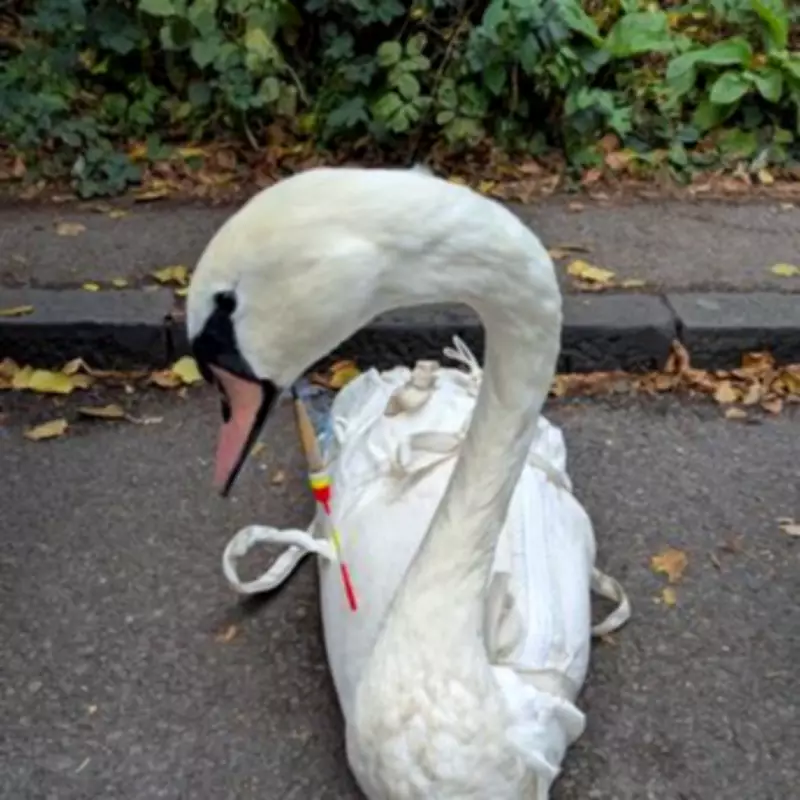
- A swan on the River Thames near Kingston, southwest London, was spotted struggling to swim with a fishing line hanging from its mouth. Passers-by alerted the RSPCA, who safely removed the line and float.
Evangelos Achilleos, Wildlife Centre Manager at RSPCA East Winch, stated, "This is a stark reminder of how dangerous litter can be for our local wildlife, however big or small. Holding onto litter until it can be disposed of safely could save an animal's life."
Fly-Tipping and Environmental Damage
Emma Reynolds highlighted that littering and fly-tipping are interconnected problems causing significant harm. Every year, households in England throw away millions of tonnes of rubbish, much of which ends up as litter in parks, rivers, and seas. This not only devastates wildlife but also costs taxpayers hundreds of millions annually in cleanup efforts, diverting funds from essential services like schools and social care.
The environmental damage from large-scale dumping is profound, polluting soil, contaminating watercourses, and leaving plastics and hazardous materials in green spaces for years. The government is stepping up enforcement, including using drones to track illegal dumps and seizing vehicles used by repeat offenders.
How to Get Involved in the Great British Spring Clean
The Great British Spring Clean, supported by the Daily Mirror, has been running since 2016, with over 4.5 million bags of litter pledged to be picked up. So far, 46,257 bags have been pledged for this year's event from March 13th to 29th. Individuals or groups can sign up at keepbritaintidy.org. Participants are advised to use litter-pickers, gloves, and bags, and to wash their hands afterwards.
Rebecca Machin, a wildlife expert at the RSPCA, added, "It's distressing to see how our native wildlife is affected by litter, and many incidents are avoidable. Items like fishing tackle, cans, bottles, and disposable vapes pose serious dangers." By joining the cleanup, the public can help protect vulnerable species and restore pride in local communities.