A refuse collector has shared a stark glimpse into the grim reality of an overflowing waste site, highlighting the challenges faced by those working in waste management.
Shocking Footage from the Frontline
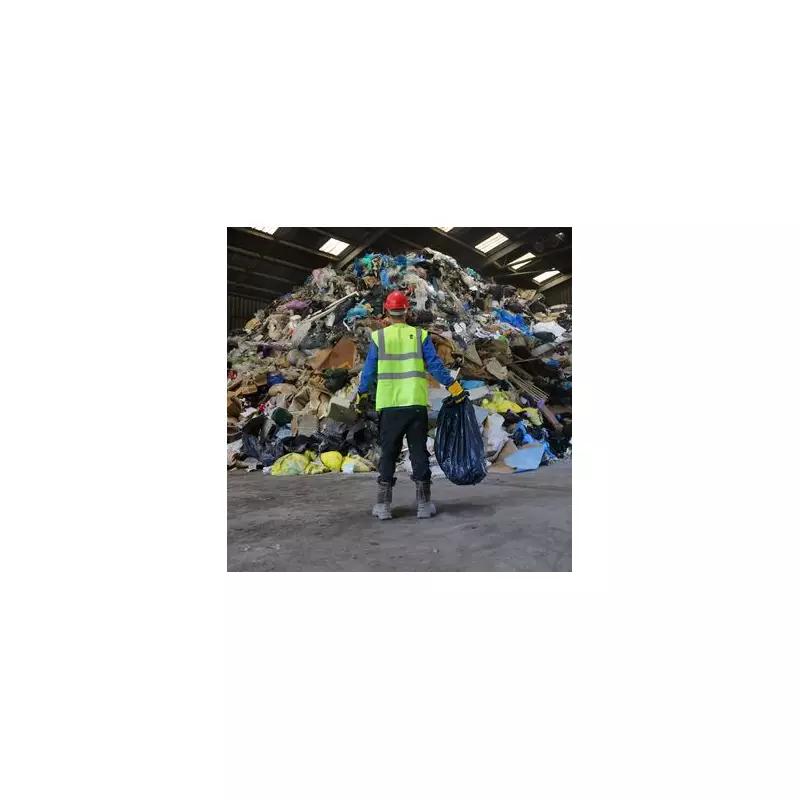
Craig Denny, a binman who posts on TikTok under his own name, posted video evidence earlier this month showing what he claims is the result when a tip "hasn't been emptied for a while". The footage, recorded at Oldham's tip in Chadderton, Manchester, depicts a sheltered area where rubbish is piled high, creating an unsightly and pungent scene.
In a follow-up clip, Denny confirmed the location's overpowering smell, stating the tip "absolutely stinks". The video, shared on 20 January 2026, offers a raw look at the conditions refuse workers can encounter, far removed from the public's usual bin collection experience.
Industry Insights and Public Reaction
The post sparked a wave of comments from fellow workers and the public. One other binman remarked on the familiar sight, writing: "Can't beat a full tip. I'm a binman, by the way." Others made light of the situation, with one user noting "At least it's in the dry," while another joked: "Bet that's a rubbish job working in that."
This incident follows a trend of waste collectors sharing industry insights online. Just days before, another worker revealed a common recycling mistake that leads to bins being rejected by collection crews.
How Waste Sites Actually Operate
Contrary to a fixed schedule, the clearance frequency for onsite skips at household waste recycling centres depends entirely on how quickly they fill up. Large sites use specialised vehicles like hook-loaders to swap full containers for empty ones continuously throughout the day, rather than adhering to a strict daily clearance.
The ultimate journey of this waste involves a complex sorting and processing system:
- Waste is sorted to remove hazardous items.
- It is separated into categories: organic material, metals, glass, and various plastics.
- Recycling is prioritised; materials like metals, plastics, and paper are sent for reprocessing.
- Organic waste is often composted.
- Non-recyclable waste is typically sent for energy recovery through incineration or, as a last resort, to engineered landfill sites.
This process underscores the critical importance of correct recycling at home to ease the burden on the system and the workers like Craig Denny who manage it at the sharp end.