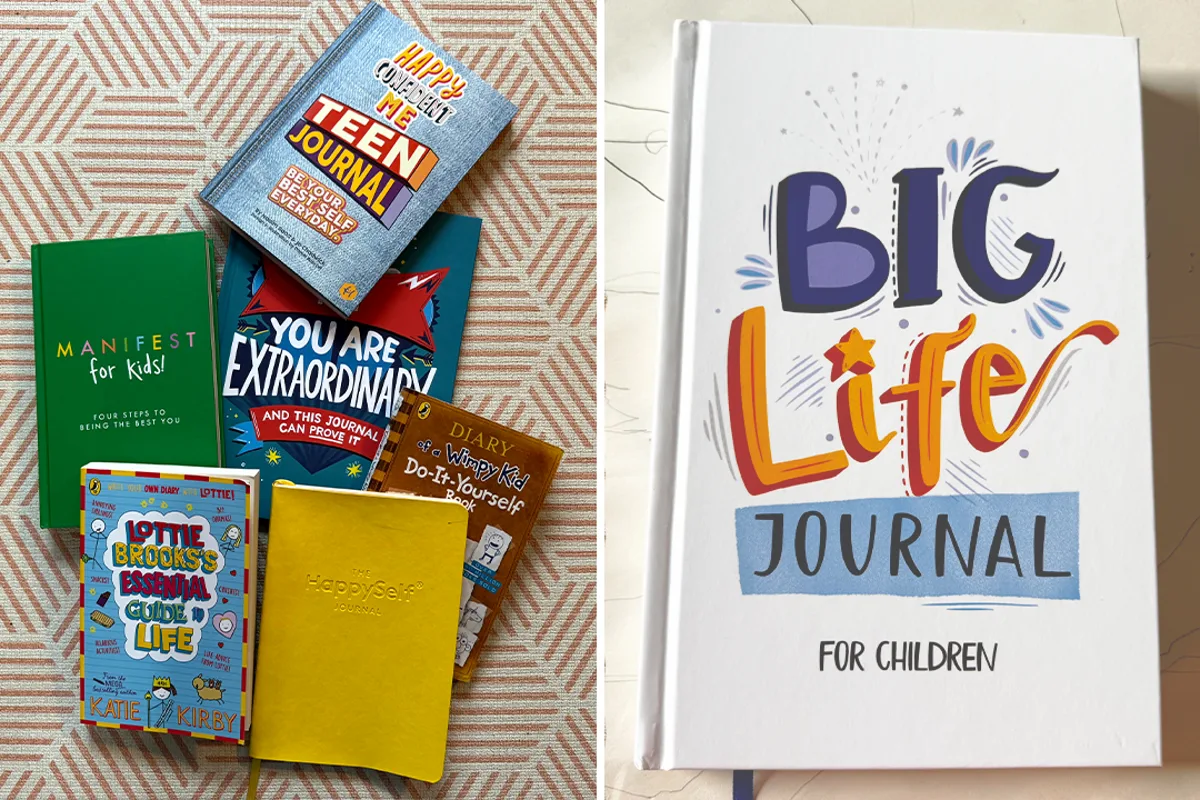
Many parents know the struggle of asking a child about their school day and receiving a curt 'fine' in reply. Processing feelings can be hard for children, but experts say journaling can help build emotional literacy and resilience. Consultant counselling psychologist Dr Ritz Birah explains that journaling helps children organise their emotional world, and research shows naming feelings reduces reactivity in the brain's emotional centres.
To encourage journaling, Dr Ritz advises keeping it short, flexible and child-led. A few minutes, a single prompt or a drawing is enough. When linked to calm routines and framed as support rather than self-improvement, children are more likely to engage willingly.
The HappySelf Junior Journal is the best overall choice for emotional literacy. It features dateless pages with prompts such as 'top three things today' and 'emoji of the day', plus affirmations and conversation starters. An eight-year-old tester loved filling it out each night, and it helped the parent understand their child's thoughts and offer support.
For a budget option, the Happy Confident Me Daily Journal at £10 offers bright colours and lively fonts. It includes undated pages where children can circle feelings, write three good things, and note something that made them laugh. A six-year-old tester particularly enjoyed the weekly open pages for creativity.
The Big Life Journal for Kids stands out with many pages for deeper reflection, though it requires more adult support for younger children. Overall, these journals provide tools to help children make sense of their emotions and build lifelong resilience.