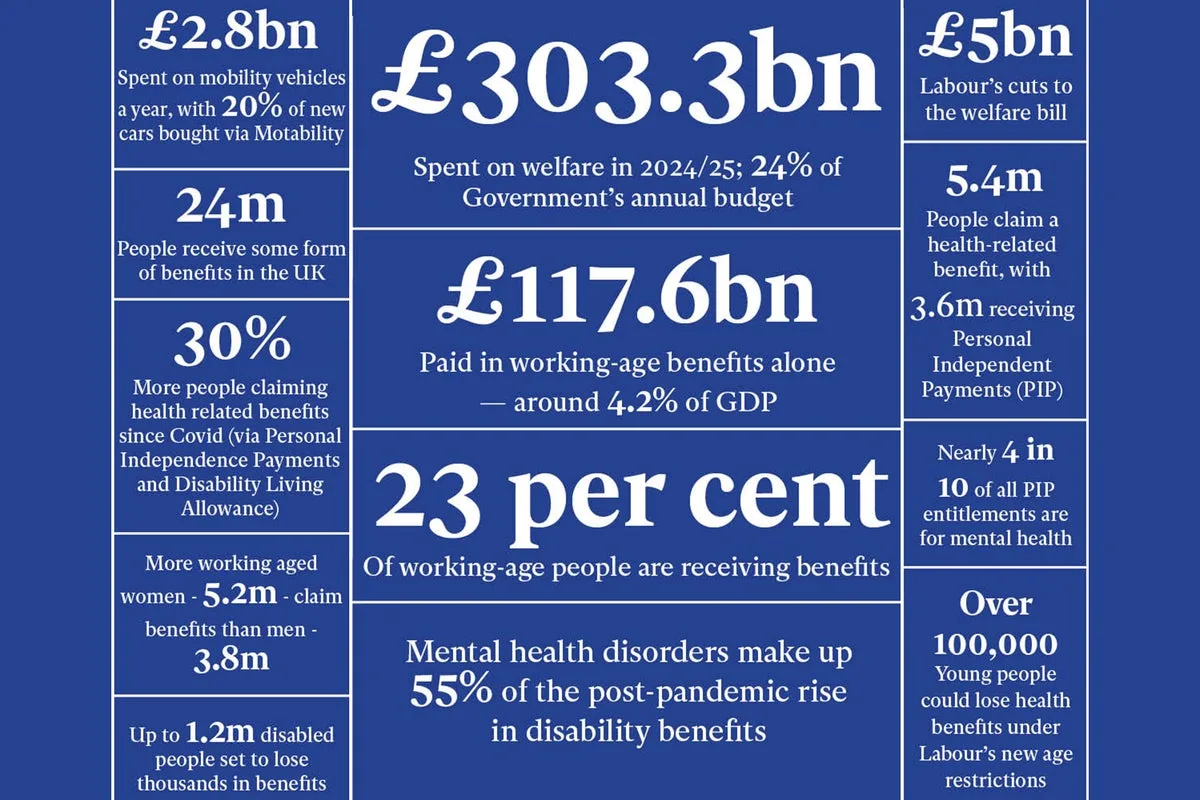
Labour MPs have been called upon to endorse sweeping and 'radical' reforms aimed at transforming Britain's welfare state into a 'working state'. This urgent appeal comes amidst escalating concerns over the UK's rapidly expanding benefits expenditure, which has reached critical levels.
McFadden's Call for Transformative Change
Pat McFadden, the Work and Pensions Secretary, delivered a forceful message to his party colleagues, emphasising that their mandate following the 2024 general election victory extends far beyond mere maintenance of the status quo. In a significant speech delivered in east London, McFadden declared, 'I want us to use our time in office well, we're not here just to keep things ticking over.'
He reinforced the government's commitment to its electoral promises, stating, 'We won on a platform of change, and changing the welfare state to a working state is a change the country needs.' This statement signals a determined push for systemic overhaul, despite previous internal party resistance.
Navigating Internal Opposition and Fiscal Realities
The government's resolve is being tested following a backbench Labour rebellion last year, which compelled Prime Minister Sir Keir Starmer and Chancellor Rachel Reeves to shelve plans for £5 billion in welfare cuts. However, speaking on Monday, Mr McFadden made it clear that the administration is prepared to re-engage in this contentious battle with its own MPs, refusing to abandon its ambitions for a comprehensive benefits system reform.
McFadden has instructed Alan Milburn and Stephen Timms, both tasked with conducting major reviews of welfare spending, to 'take this chance to advocate radical and powerful change'. He articulated that the core principle of benefits reform 'should be about opportunity and work', with his approach fundamentally centred on placing 'work at its heart'.
The Rising Tide of Sickness and Disability Benefits
Recent projections from the Office for Budget Responsibility paint a stark financial picture, forecasting that the annual cost of sickness and disability benefits will soar to £110 billion by the start of the next decade. This alarming figure underscores the pressing need for systemic intervention.
Compounding this issue, data from the Department for Work and Pensions reveals a concerning trend: nine out of ten individuals on health-related Universal Credit since the Covid-19 pandemic, who are not mandated to seek employment, report having a mental or behavioural disorder. McFadden suggested that facilitating entry into the workforce could have therapeutic benefits, potentially 'improving their mental health' and 'improving their confidence'.
Tackling the 'Neets' Crisis and Youth Unemployment
The Secretary highlighted a 'generational challenge' in addressing the growing number of young people classified as 'Neets' – not in education, employment, or training. As part of a £1 billion funding package designed to combat worklessness, McFadden announced several targeted initiatives.
- A new 'youth jobs grant' will provide businesses with £3,000 for each young person aged 18 to 24 they hire who has been job hunting for six months or more. This scheme is expected to support approximately 60,000 individuals.
- An apprenticeship incentive will offer small and medium-sized enterprises £2,000 for every new employee they take on between the ages of 16 and 24.
- The government plans to expand its existing jobs guarantee, currently available for 18 to 21-year-olds, to include those up to age 24. This scheme promises a guaranteed six-month job for young people on Universal Credit who have been searching for employment for 18 months.
Alarming Health Trends Among Young People
Research indicates a deeply worrying shift in the profile of Neet young people. The Health Foundation has warned that this generation faces 'even greater risk of harm to their future opportunities'. Their analysis shows that the share of 16 to 24-year-olds not in education, employment, or training who report a work-limiting condition has surged by 70 percent over the past decade.
Between 2015 and 2025, the proportion of Neet youngsters citing health conditions that prevent them from working is projected to rise from 26 percent to 44 percent. Notably, in the past year, mental health problems and autism accounted for more than two-thirds of health-related barriers to employment cited by this group.
According to the Office for National Statistics, the number of Neets aged 16 to 24 stood at 957,000 in the three months leading to December, marking an increase from 946,000 in the previous quarter.
Political Criticism and Alternative Visions
The Labour government's approach has faced sharp criticism from opposition figures, who argue that its policies are inadvertently exacerbating youth unemployment. Senior Conservative MP Helen Whately, the shadow work and pensions secretary, attributed the problem to Chancellor Reeves' '£25 billion raid on National Insurance', increases in the minimum wage, and the introduction of new employment rights, which she claims deter firms from hiring young staff.
Whately asserted, 'The best way to tackle youth unemployment is to back businesses to create jobs, not tax them out of existence to fund benefits and subsidies.' She outlined the Conservative alternative, which includes cutting business rates for high street firms and rolling back Labour's Employment Rights Act, framing this as the path to 'create real opportunities for young people and get Britain working again'.
As the debate intensifies, the Labour government's push for a 'working state' represents a pivotal moment in UK social policy, balancing ambitious reform against complex economic realities and political opposition.