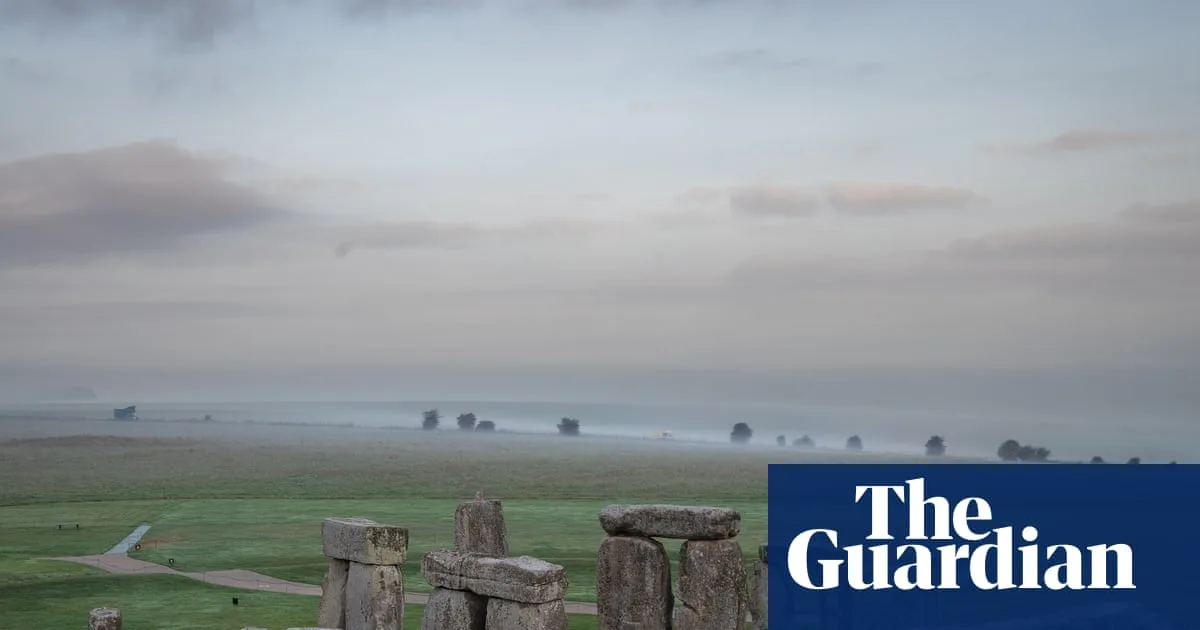
Stonehenge Tunnel Plan Officially Scrapped After Years of Protests
The UK government has officially cancelled the controversial Stonehenge tunnel project, bringing an end to years of heated debate and widespread protests. The decision, announced today, follows persistent opposition from environmental groups, heritage campaigners, and local communities who argued the tunnel would cause irreparable damage to the ancient site and its surrounding landscape.
Background and Controversy
Proposed as part of a broader effort to improve traffic flow on the A303 road, which runs near the UNESCO World Heritage Site, the tunnel plan had been in development for over a decade. Supporters, including some government officials and transport advocates, claimed it would reduce congestion and enhance safety. However, critics vehemently opposed the project, citing concerns about its impact on archaeological remains, wildlife habitats, and the visual integrity of the Stonehenge area.
Protests escalated in recent years, with activists staging demonstrations, launching legal challenges, and garnering international attention. Environmental organisations highlighted risks to local ecosystems, while heritage experts warned of potential harm to undiscovered artefacts beneath the proposed route. The controversy also drew in political figures, with some MPs and local leaders calling for alternative solutions to address traffic issues without compromising the site's historical significance.
Government Decision and Implications
In a statement, the Department for Transport confirmed the cancellation, citing a thorough review of the project's feasibility and public feedback. Officials acknowledged the strong opposition and noted that the costs and environmental risks had become prohibitive. The decision is seen as a major victory for campaigners, who have long argued that the tunnel would undermine conservation efforts and set a dangerous precedent for other heritage sites.
The scrapping of the plan leaves the future of the A303 uncertain, with the government now expected to explore other options for managing traffic in the region. Some suggest upgrades to existing roads or improved public transport links as potential alternatives. Meanwhile, heritage groups have welcomed the move, emphasising the need to prioritise preservation over development in sensitive areas.
Reactions and Next Steps
Reactions to the cancellation have been mixed. Protest leaders and environmental advocates have celebrated the outcome, praising the government for listening to public concerns. "This is a triumph for common sense and our cultural heritage," said one campaigner. "We must protect Stonehenge for future generations." Conversely, some business and transport representatives expressed disappointment, arguing that the tunnel would have boosted local economies and eased travel delays.
Looking ahead, the focus shifts to how the UK balances infrastructure needs with conservation priorities. The Stonehenge case may influence future policies on similar projects, prompting more rigorous assessments of environmental and historical impacts. For now, the ancient stones remain untouched by tunnel construction, a relief to many who fought to preserve their legacy.






