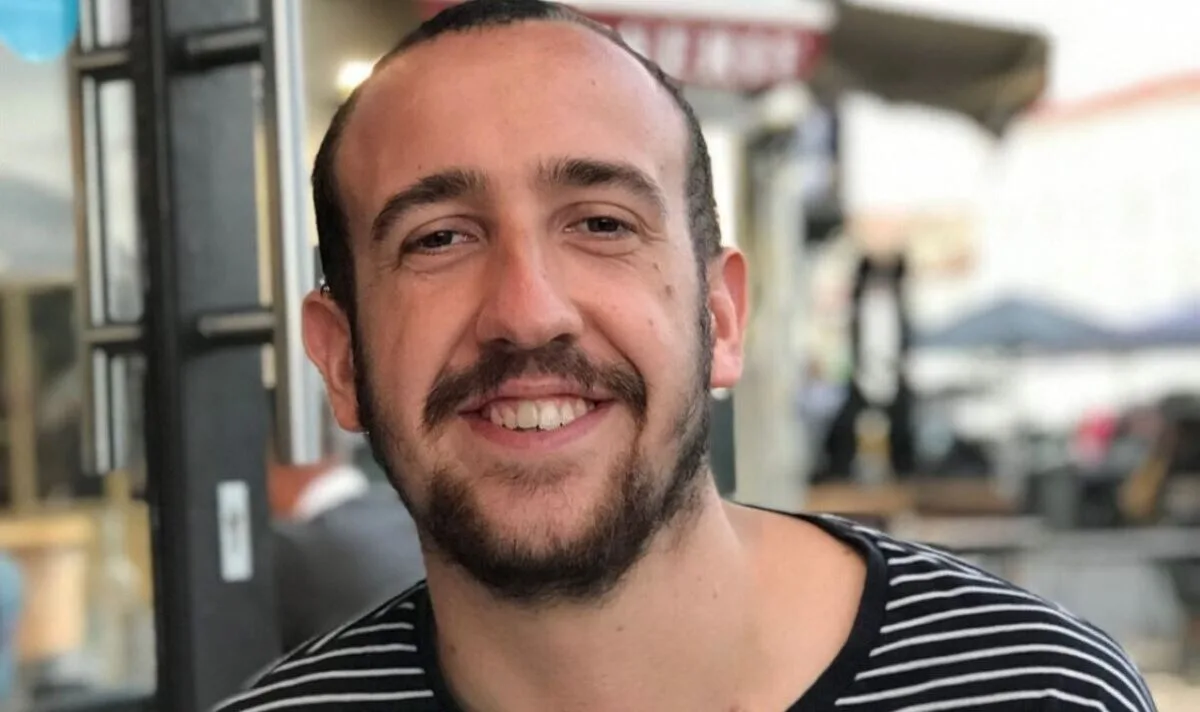
Law Student Died After Being Misdiagnosed with Gastroenteritis, Inquest Rules Neglect
Law Student Died After Misdiagnosis, Inquest Rules Neglect

An aspiring barrister who was labelled a 'time-waster' died after being misdiagnosed with gastroenteritis, an inquest heard. Law student Libby Instone, 20, visited a hospital urgent care centre three times in just over 24 hours as she had been vomiting for days and was in extreme pain.

But Miss Instone's family, of Billingham, Co Durham, were told she had gastroenteritis and the Newcastle University student was placed on a saline drip and sent home on two separate occasions. In fact, she had an infarction of her small intestine which ultimately led to her collapse, cardiac arrest and death in August 2023.

Inquest Findings

An inquest in Middlesbrough on Monday concluded that there were 'gross failures' in Miss Instone's care and 'neglect' had contributed to her death. The hearing heard that after being sent home from her second attendance at North Tees University Hospital urgent care centre, Miss Instone, who was normally fit and healthy, vomited 'black liquid' in the hospital car park.

Wide Pickt banner — collaborative shopping lists app for Telegram, phone mockup with grocery list

She attended again later that day as she was 'totally exhausted and very weak' and it was decided she should visit A&E, where she had to wait nine hours to be seen. Miss Instone was put on a drip and given painkillers and anti-sickness medication and later admitted to a ward.

Family's Account

Her family said medics treated her as a 'time waster' during repeated visits to an urgent care centre in the days before she collapsed. However when her parents visited the following day, they told the inquest that staff were pre-occupied watching a penalty shoot-out in the Women's World Cup on TV.

Later that day, her mother, Susan Instone, 57, said her daughter was allowed to go home but that she continued to feel so unwell that she was carried back to bed after she had sat with the family for a while. Mrs Instone said: 'She said she was scared and asked if she was going to die. I laughed and told her not to be daft.'

Minutes later, Miss Instone collapsed and paramedics were called. She was taken to hospital but could not be saved, the inquest heard. Mrs Instone told the hearing: 'A female member of staff then came up to me and told me that they had just thought that she was a time-waster. She was a nurse. We had just lost Libby and I didn't know what was going on.'

Coroner's Conclusion

Teesside Coroner Clare Bailey concluded that neglect had contributed to the death of Miss Instone because of the failure to provide basic medical attention to someone in a dependent position. 'In Libby's case, the failure to consider anything other than gastroenteritis despite Libby enduring four days of vomiting and agonising abdominal pain constitutes gross failures in her care,' Ms Bailey said.

She said this was compounded by infrequent physical checks, incorrect recording of vomiting and a lack of basic care. Recording a narrative conclusion, the coroner said Libby repeatedly visited North Tees Hospital Urgent Care Centre (UCC) in Stockton-upon-Tees and was later admitted to hospital prior to being discharged home, later suffering a cardiac arrest.

'There were missed opportunities to investigate the cause of her persistent abdominal pain and vomiting, and to provide life-saving treatment,' she said. 'Libby's death was contributed to by neglect.'

Timeline of Events

The inquest heard that Miss Instone had returned from a trip to London with her boyfriend on August 16 2023 when she began vomiting and was in extreme pain. As it persisted, Mrs Instone called 111 on August 18 and took her exhausted daughter to UCC where she was prescribed anti-sickness drugs but was not examined, she said.

She was sent home but her concerned family took her back to the UCC that evening where a doctor said Libby had gastroenteritis and was put on a saline drip. She was sent home again at 1.30am on Saturday August 19 and returned to the UCC later that afternoon when it was decided she should visit A&E. However she was discharged from hospital the following day before collapsing at home.

Pickt after-article banner — collaborative shopping lists app with family illustration

In the days after her death, the family said they were told by the hospital that Libby could not have been saved, and they only found out the truth six months later. Mrs Instone said: 'My daughter's last few days of life were horrendous. Libby was in constant agony, she was scared. We went to hospital trusting in the people we believed would look after her but Libby was let down by doctors who were meant to take care of her. Libby was treated as an annoyance, a time-waster and was never shown any compassion.'

Medical Expert Report

An independent medical expert found that Libby had not been able to open her bowels for some days and that should have aroused suspicion among medics that she did not have gastroenteritis, as a usual symptom was diarrhoea. The report found that multiple chances were missed for a scan of her stomach to be done, and that an operation could have successfully treated her blocked intestine.

Dr Michael Stewart, group chief medical officer for North Tees and Hartlepool and South Tees Hospitals NHS Foundation Trusts, told the inquest he offered 'an unreserved and sincere apology for the missed opportunities in Libby's care.'

Speaking following the inquest, Mrs Instone said: 'Our beautiful Libby was loved by everyone who knew her, but she was snatched away from us in the most brutal way because of the failings of those who were supposed to care for her. Why did they claim they couldn't have done anything to save her when we now know she could have been saved?'

Her boyfriend, Theo Corbett, added: 'Libby was a beautiful, funny and fiercely intelligent young woman who will forever be sorely missed every day by those who had the privilege of knowing her. There was an enormous lack of decency, empathy and acknowledgment of Libby's pain and illness at every attendance at hospital.'




