
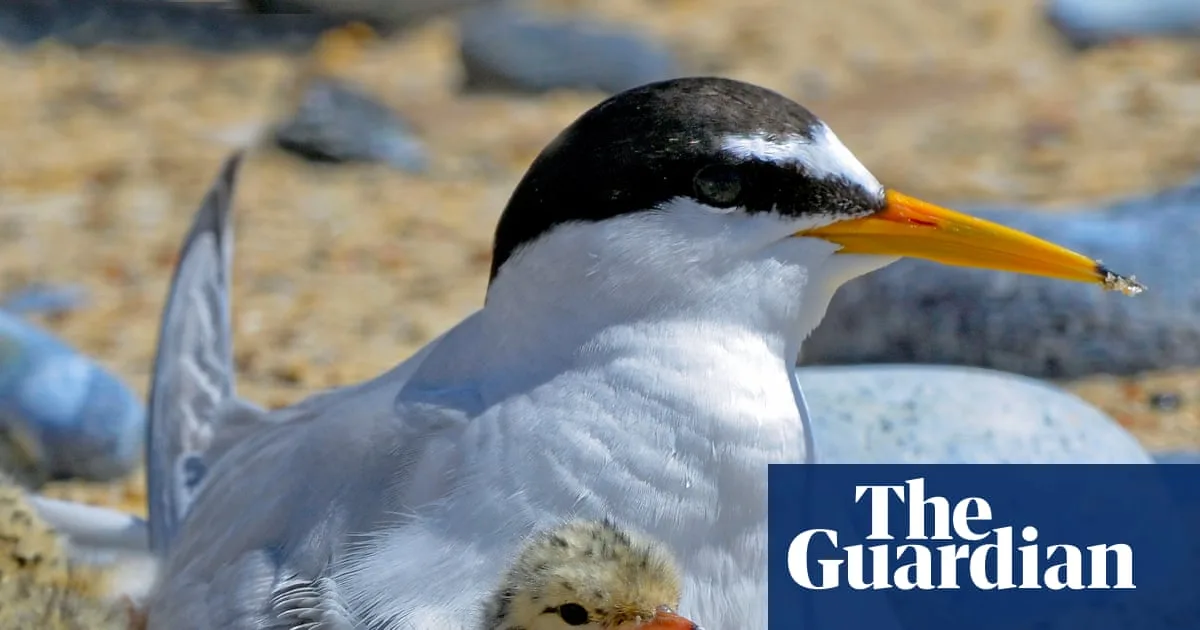
Seasonal wardens and netted fences are helping protect rare ground-nesting birds at Lindisfarne National Nature Reserve in Northumberland. The reserve, covering more than 3,500 hectares of sand dunes, saltmarsh and mudflats, is a vital breeding ground for little terns, Arctic terns, common terns and ringed plovers.
According to the British Trust for Ornithology's Seabird Monitoring Project, the UK's little tern breeding abundance dropped 19% between 1986 and 2024, while Arctic terns fell 25% and common terns plummeted 63%. Lindisfarne is important for all three species, which migrate from across the globe to breed.
The main threat to these birds is human disturbance, exacerbated by rising sea levels and coastal flooding from climate change. To mitigate this, the reserve has erected 5km of netted fences in eight patches, allowing terns and plovers to enter while keeping people and predators out. Seasonal wardens also engage with visitors, explaining the sensitivity of the site and urging them to keep dogs on leads.
Senior manager Andrew Craggs said up to a million people visit the reserve each year. Funding from the EU Life fund has enabled the team to hire wardens for the breeding season, replacing previous volunteer efforts. Ginny Swaile, Natural England's deputy director for Northumbria, noted that the fences have been one of the most successful protection measures.




