
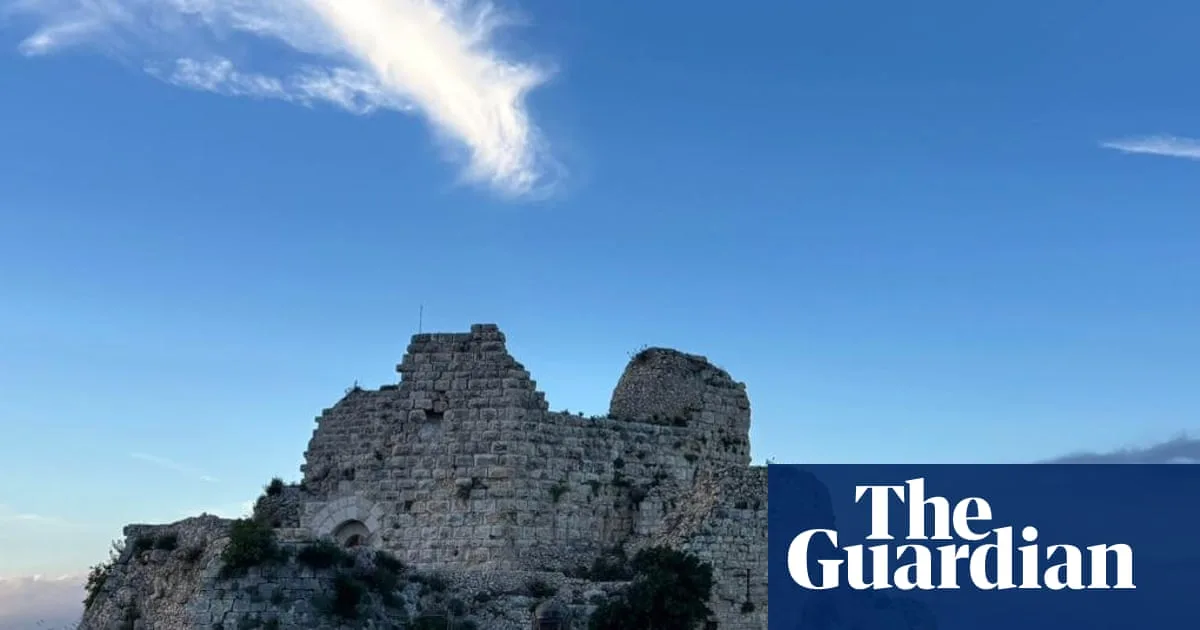
Israeli troops have captured Beaufort Castle, a clifftop fortress, during their deepest incursion into Lebanon in over 26 years, according to Israeli Defence Minister Israel Katz. The castle, also known as Qalaat al-Shaqif, was used as a base during Israel's previous occupation of southern Lebanon from 1982 to 2000. The advance shatters a nominal US-brokered ceasefire and complicates efforts to extend the separate truce between Washington and Tehran.
The Israel Defense Forces (IDF) already controlled territory up to the Litani River but are now pushing towards the Zahrani River, about six miles north. Images showed Israeli and Golani Brigade flags flying over the castle as shelling echoed across the surrounding hills. The IDF said it launched an operation to dismantle Hezbollah infrastructure and expand its control.
Experts describe the capture as largely symbolic. Professor Yagil Levy of the Open University of Israel called it a 'victory of image,' noting that protests are growing in northern communities and Hezbollah remains intact. The advance also challenges stalled US-Iran negotiations, as Tehran wants any deal to include an end to fighting in Lebanon.
French Foreign Minister Jean-Noël Barrot requested an emergency UN Security Council meeting, calling Israel's operations 'unacceptable.' Lebanese Prime Minister Nawaf Salam accused Israel of pursuing a 'scorched-earth policy' by destroying towns and forcing inhabitants into exile. The fighting has displaced over 1.2 million people since March.
Israeli forces appear to be positioning for a potential encirclement of Nabatieh, a city of strategic and cultural significance. Taking Nabatieh would deal a blow to Hezbollah's morale, said Mohanad Hage Ali of the Carnegie Middle East Center. He warned that annexation is 'no longer a wild conspiracy theory,' citing statements from Israeli ministers.




