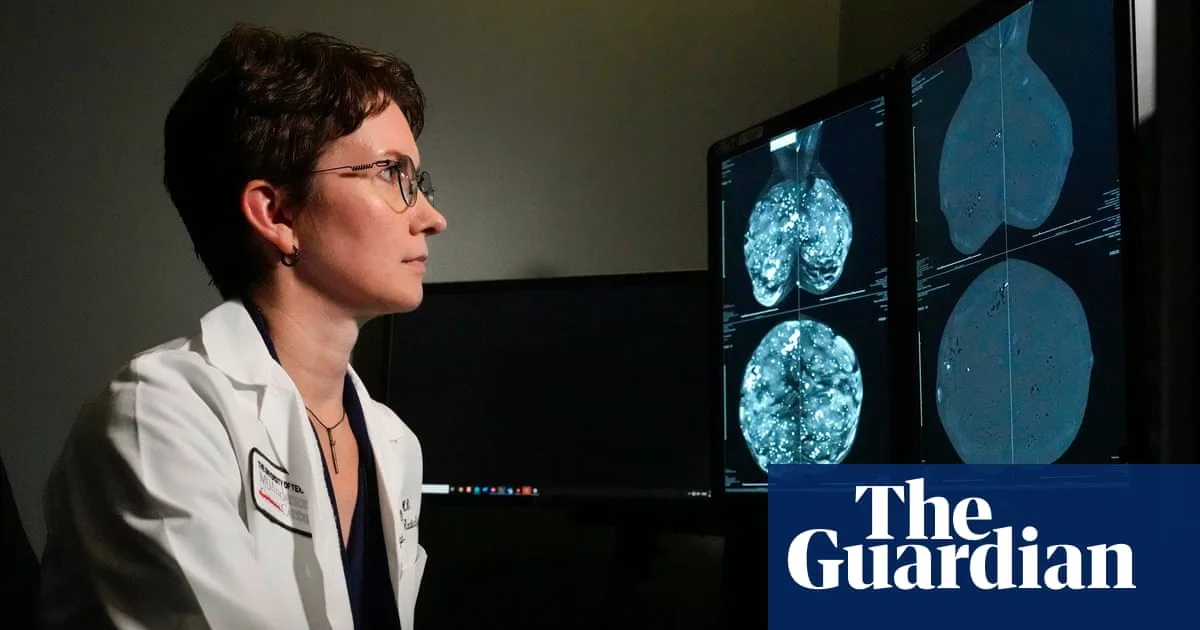
A groundbreaking genomic test could allow millions of women with breast cancer to safely avoid chemotherapy, according to the results of an international trial. The Optima trial, led by University College London, followed more than 4,000 patients across six countries, including the UK, and found that those with a low score on the test could be treated with hormone therapy alone without compromising outcomes.
The test, called Prosigna, analyses the activity of 50 genes in tumour tissue to determine the risk of cancer returning within ten years. Patients with a low score were shown to have near-identical survival rates whether they received chemotherapy or not: five years after treatment, 94% of those who skipped chemotherapy were alive and free from recurrence, compared with 95% who had chemotherapy.
Chemotherapy can cause severe side-effects such as hair loss, nausea, fatigue, infertility and cognitive impairment. The trial's chief investigator, Professor Rob Stein, said the findings mark a significant step toward personalised treatment, allowing many patients to be spared the physical and emotional burden of chemotherapy.

One participant described the relief of avoiding chemotherapy as 'like Christmas'. The results will be presented at the American Society of Clinical Oncology's annual meeting in Chicago and could transform healthcare guidelines worldwide.