While many Britons are aware of the presence of microplastics in seafood, new insights reveal that exposure from other common foods is far more widespread than most people realise. Environment expert Catherine Rolph, a Lecturer in Environmental Engineering at The Open University, has highlighted several surprising items in our daily diet that contribute to our intake of these tiny plastic particles.
Unexpected Sources of Microplastic Contamination
Catherine Rolph warns that the public's focus on seafood obscures more common sources. Studies estimate that daily intake from food and drink can range from zero to a staggering 1.5 million microplastic particles per day. Here are five less-obvious culprits identified by the expert.
1. Chewing Gum: A Lump of Plastic
Most chewing gum is made from a synthetic gum base composed of plastics and rubber. As you chew, this base breaks down, releasing microplastics directly into your mouth. A single gram of gum can release up to 637 microplastic particles, with most released within the first eight minutes. Interestingly, natural plant-based gums fare no better, suggesting contamination may occur during production or packaging.

2. Salt: Not So Pure
Research indicates that a shocking 94% of salt products tested globally are contaminated with microplastics. Contamination is higher in terrestrial salts like Himalayan pink salt than in marine varieties. Furthermore, using disposable plastic spice grinders can exacerbate the problem, releasing thousands of particles. Switching to ceramic or metal grinders and storing salt in glass is advised.
3. Apples and Carrots: Rooted in Plastic
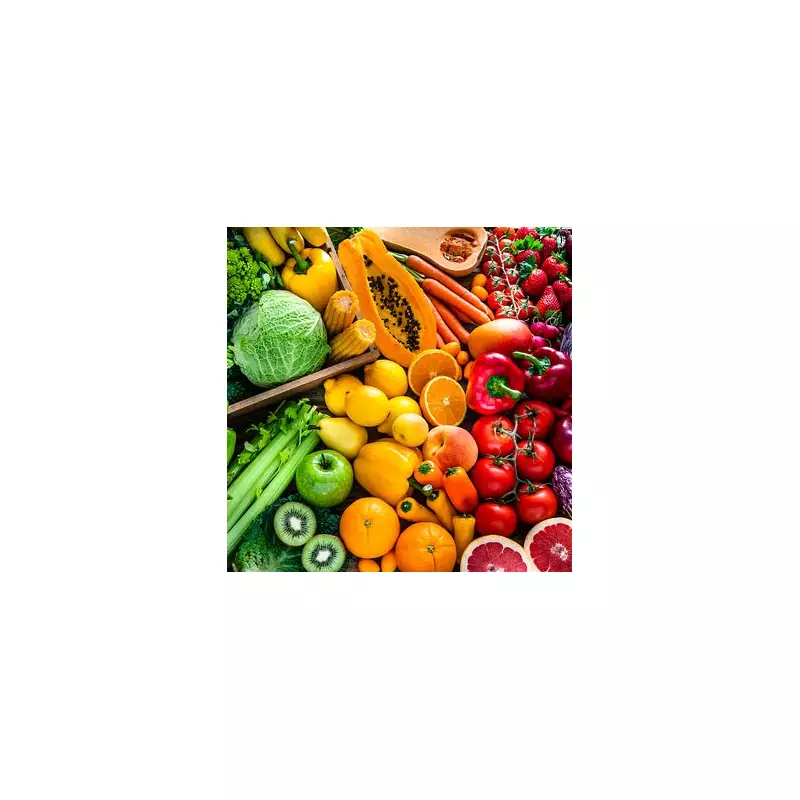
Fresh produce is not immune. Nanoplastics can enter plants through their root systems, and particles have been found on surfaces. Studies pinpoint apples and carrots as among the most contaminated fruits and vegetables, though levels are lower than in highly processed foods. Experts stress that the health benefits of eating fresh produce still far outweigh the risks.
4. Tea and Coffee: A Hot Issue
Your morning brew is a significant source. Plastic-lined disposable cups, teabags (even biodegradable ones), and the products themselves can leach microplastics, especially in hot liquids. One study found brewing a single cup with a plastic tea bag could release a staggering 11.6 billion microplastics. Switching to loose-leaf tea, using reusable metal or glass cups, and opting for milk in glass bottles can reduce exposure.
5. Seafood: A Known but Overstated Risk?
While studies confirm microplastics in most fish and shellfish, the levels in filter feeders like mussels are relatively low—between 0.2 and 0.70 particles per gram. This is significantly less than the billions potentially released from a single plastic teabag, suggesting our dietary focus may be misplaced.
Practical Steps to Cut Your Microplastic Intake
Rolph provides clear, actionable advice for reducing exposure. Storing food in glass instead of plastic containers is a key step, as is avoiding microwaving food in plastic. Highly processed foods are also associated with higher concentrations.
Perhaps one of the simplest swaps is choosing tap water over bottled water from single-use plastics, as multiple reviews indicate bottled water contains more microplastic particles. While eliminating plastics from our diet is currently impossible, making these conscious changes can substantially lower your daily intake.