South Africa Initiates Mass Cattle Vaccination to Combat Foot-and-Mouth Disease Outbreak
South Africa has embarked on a large-scale cattle vaccination drive in response to a severe foot-and-mouth disease outbreak that poses significant risks to the nation's meat, dairy, and export sectors. The program, launched on Friday, aims to curb the spread of the highly contagious viral infection that has already impacted hundreds of thousands of animals.
Outbreak Scale and Immediate Impacts
The outbreak, which intensified in late last year, has rapidly expanded across South Africa's livestock industry. Official reports indicate that more than 297,000 cattle have been affected, with over 120,000 animals culled as farmers attempt to contain the disease. The coastal province of KwaZulu-Natal has been identified as the primary hotspot, with over 17,000 farms impacted by the outbreak.
Economic Consequences and Export Bans
The foot-and-mouth outbreak threatens to cause substantial economic damage, including potential meat shortages, job losses, and millions in lost revenue. Several countries, including China and Zambia, have already imposed bans on South African meat exports, exacerbating the financial strain on the agricultural sector. Farmers and meat producers are facing severe challenges, including quarantine requirements for affected animals and a complete halt to trade and export activities.

Vaccination Strategy and Supply Challenges
Agriculture Minister John Steenhuisen officially launched the vaccination rollout, emphasizing that mass vaccination represents the primary strategy to get ahead of the disease. "The one strategy that we have ultimately adopted is the mass vaccination strategy," Steenhuisen stated. "So we can get ahead of the foot-and-mouth disease in South Africa and ensure that we can prevent outbreaks from happening rather than reacting to outbreaks."
Initial vaccine supplies include one million doses recently delivered from Turkey, with additional shipments expected over the weekend. However, concerns persist regarding vaccine availability, as current supplies fall significantly short of the estimated requirement to vaccinate nearly 12 million cattle nationwide.
Government Response and Funding Allocation
The South African government has declared the outbreak a national disaster, enabling the allocation of emergency funds primarily designated for vaccine procurement. The national treasury has committed approximately $25 million to combat the outbreak, with the majority of these resources directed toward purchasing additional vaccines.
Industry Perspectives and Broader Implications
Dr. Dirk Verwoerd, a veterinarian at Karan Beef—South Africa's largest meat producer—described the situation as "an epidemic that is out of control, completely out of control." He highlighted the widespread impact across the supply chain, noting that rampant infections are occurring daily across multiple provinces.
"You have massive damage upstream and downstream," Verwoerd explained. "You cannot purchase cows, so your primary producers now sit with them. They can't sell, and we can't purchase. You cannot slaughter, so the consumer pays the price."
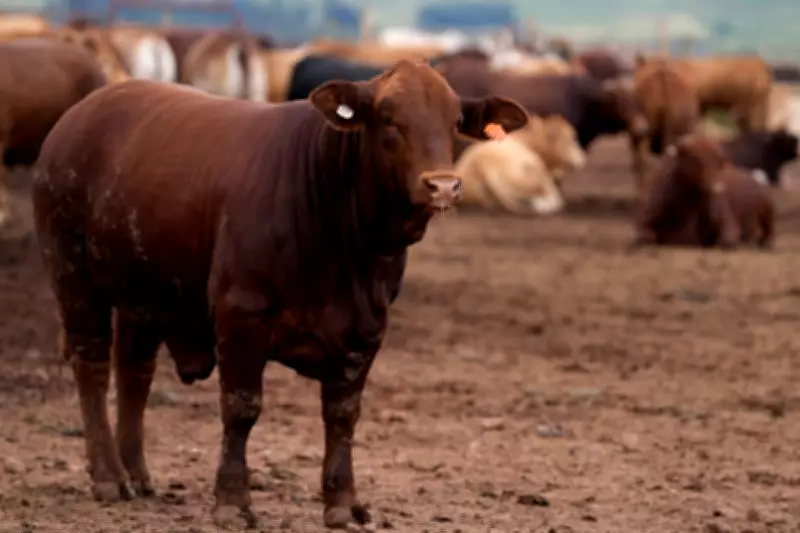
Karan Beef's extensive feedlot in Heidelberg, capable of accommodating more than 140,000 cattle across 2,300 hectares, exemplifies the scale of operations affected by the outbreak. Verwoerd emphasized that vaccinating the national herd represents the first critical step toward achieving stability in the livestock industry.