Veterinary Experts Issue Spring Alert to Dog Owners Over Escalating Escape Dangers
As spring establishes itself across the country, bringing milder temperatures and significantly extended daylight hours, veterinary professionals are issuing an urgent warning to dog owners. The seasonal shift, while perfect for leisurely walks in urban parks or rural landscapes, coincidentally heightens the risk of roaming and escape behaviour in canine companions, particularly those that have not been neutered.
The Biological Drivers Behind Springtime Roaming
Dr Aimee Warner, resident veterinarian at pet insurance provider Waggel, explains the underlying causes. "Owners often hold the belief that their pet would never run off or ignore a recall command," she states. "However, reproductive instincts can be incredibly powerful and overriding. During this period, some unneutered pets become substantially more motivated to roam, especially if they detect the scent or presence of another animal in season. This situation can rapidly escalate into a perilous scenario if the dog escapes near roads or unfamiliar territory."
While spring does not activate the canine reproductive cycle in the same direct manner as it does for felines, the increased outdoor activity and social exposure are key factors. For unneutered male dogs, greater contact with other dogs, particularly females in season, can significantly amplify distraction levels, roaming urges, and attempts to bolt.

Essential Safety Precautions for Dog Owners
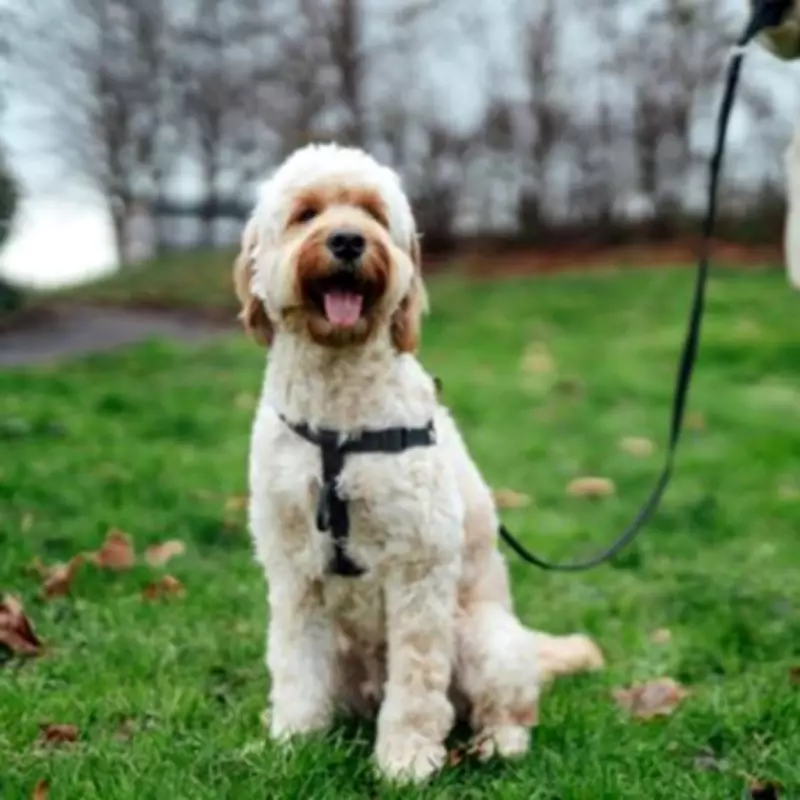
Dr Warner strongly advises all dog owners to adopt heightened safety measures during the spring months. Her primary recommendation is the consistent use of a lead. "For unneutered dogs especially, it is a sensible precaution to use a lead or a long line in parks, near roads, or any area with high activity and novel scents," she emphasises.
Furthermore, a thorough inspection of domestic security is crucial. "This is an ideal time of year to meticulously inspect fences, gates, and all potential escape routes," Dr Warner adds. "A determined pet can squeeze through surprisingly small gaps or exploit structural weak spots that may have previously gone unnoticed."
The Role of Neutering in Risk Mitigation
The veterinary advice extends to a proactive health discussion. Dr Warner urges pet owners to consult their vet about the neutering procedure. "The benefits extend far beyond preventing unwanted litters," she clarifies. "Neutering can also help lower the risk of roaming, fighting, spraying, and other instinct-driven behaviours that frequently place pets in dangerous situations."
She concludes with a reminder about canine psychology during seasonal changes. "We all wish to enjoy the finer weather with our pets, but spring can induce behavioural changes that owners do not always anticipate. An unneutered pet is not being deliberately disobedient when it becomes more challenging to manage outdoors. In those critical moments, natural instincts can simply override even the most robust training. Implementing a few practical precautions can significantly contribute to keeping them safe and secure."