BBC Expert Urges UK Households to Stop Bin Coffee Grounds for Garden Use
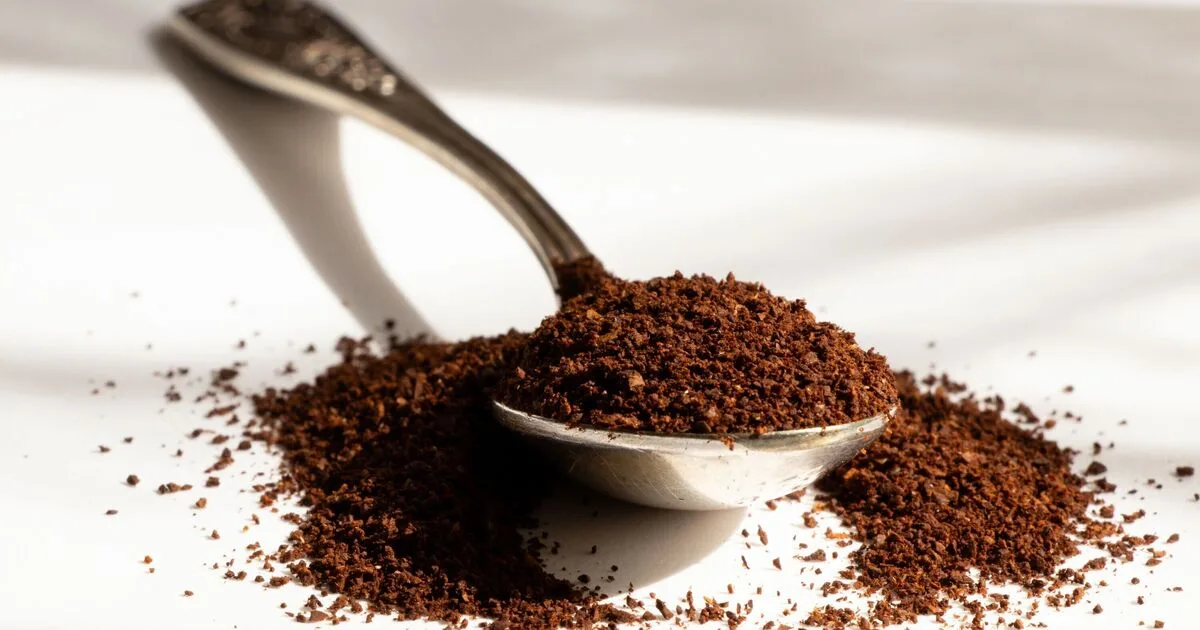
Households across the United Kingdom are being strongly advised to cease discarding used coffee grounds in their general waste bins. Instead, a compelling new method has been unveiled to transform this common kitchen waste into a valuable asset for gardens, promoting sustainability and biodiversity.
The Clever Garden Transformation Method
Appearing on a recent episode of BBC's Morning Live, retired clinical psychiatrist and Welsh entrepreneur Rosie Oretti shared an innovative technique. She demonstrated how to collect spent coffee grounds and craft them into wildflower seed balls. This simple process involves shaping the damp grounds into a small, round cup, packing it with wildflower seeds, and then pressing it together to form a compact ball.
Ms Oretti, who previously worked for the NHS in Wales and served on an advisory board to the Welsh Government, now runs 'Grounds For Good'. This sustainable business is dedicated to repurposing coffee grounds into premium products, championing a circular economy.
Why This Matters: The Scale of Coffee Waste
The timing of this advice is critical. Britons consume an astonishing 90 million cups of coffee daily, generating up to 250,000 tonnes of waste annually from used grounds. When this organic matter ends up in landfill, it decomposes anaerobically, releasing harmful greenhouse gases like methane, which significantly contributes to climate change.
By diverting coffee grounds to the garden, households can play a direct role in reducing this environmental burden. Ms Oretti emphasised this point, stating her company's mantra: "Don't put coffee grounds in your general waste. There are so many amazing things we can do with coffee."
Benefits for Your Garden and Local Wildlife
The benefits of using coffee grounds in the garden are multifaceted. Primarily, they act as an excellent slow-release nitrogen fertiliser, enriching the soil with essential nutrients like phosphorus, potassium, and magnesium. This improves overall soil condition and can be integrated into compost as a valuable green material.
Furthermore, the wildflower seed balls specifically help attract and support vital pollinators. Ms Oretti noted that seeds such as Cornflower, Knapweed, Ox-eye Daisy, Bird's-foot Trefoil, and Red Clover are particularly effective at drawing butterflies and bees to your outdoor space, enhancing local ecosystems.
Practical Steps and Expert Cautions
After rolling the coffee grounds and seeds into small balls, they should be left to air dry thoroughly before being planted directly in the garden. However, experts, including the Royal Horticultural Society (RHS), offer important guidance for safe use.
It is advisable to use coffee grounds sparingly. Avoid applying them in thick layers, as this can create a barrier that obstructs water and air flow to plant roots, potentially harming them. They are best used lightly around acid-loving plants like azaleas and blueberries or thoroughly blended into compost.
The RHS confirms that while coffee grounds are beneficial for soil enrichment, their effect on soil pH is minimal and temporary. The key is moderation to harness their advantages without causing unintended damage to your garden plants.
This simple shift in habit—from bin to garden—represents a powerful, accessible step toward more sustainable living, turning a daily ritual into an act of environmental stewardship.






