
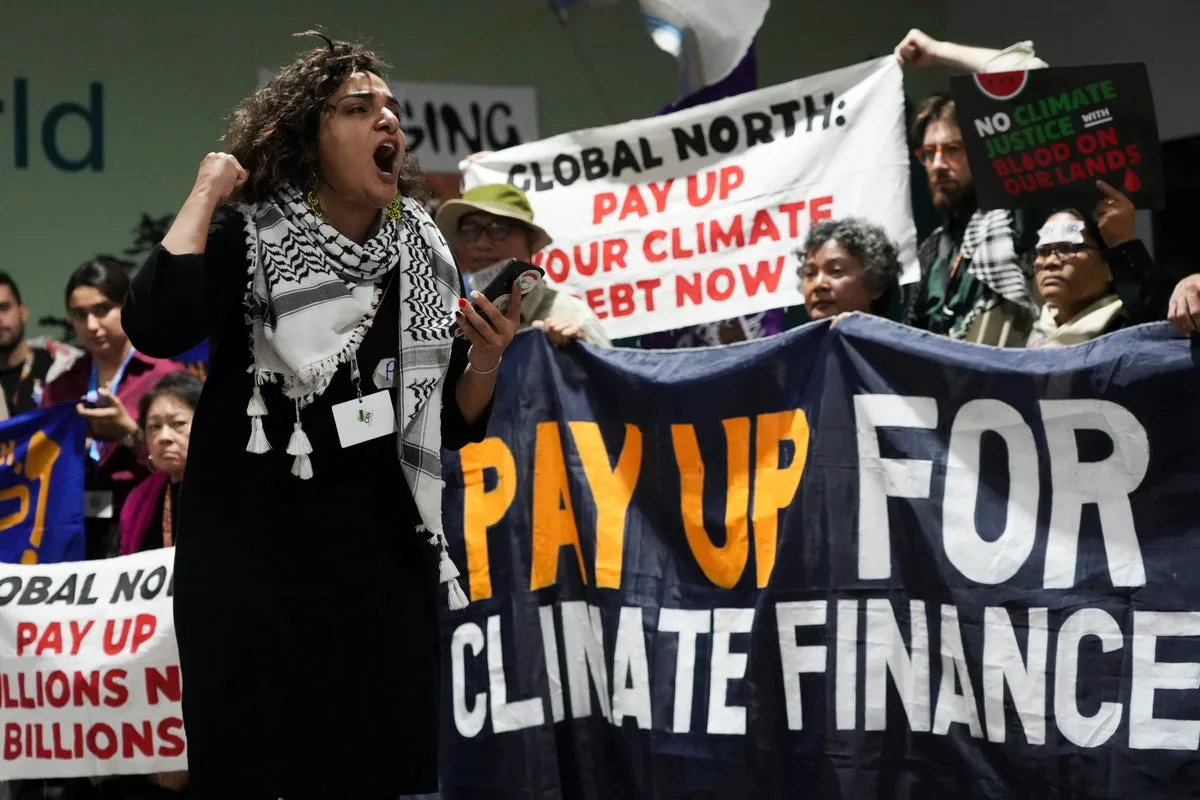
Campaigners have condemned the UK government's decision to cut its international climate finance as "extremely short-sighted" and a "moral abdication," warning the move threatens national security, abandons communities on the frontlines of climate change, and leaves "windfall profits from fossil fuels untouched."
Foreign Secretary Yvette Cooper told parliament that the UK's climate finance commitment would be cut to around £6 billion over three years – roughly £2bn a year, down from £2.3bn annually under the previous five-year arrangement. The overall aid budget has been reduced from 0.5 per cent to 0.3 per cent of gross national income by 2027, with the government citing the need to fund increased defence spending. The previous £3bn earmark for nature and forest projects has also been scrapped.
Ms Cooper said the government would "continue to invest in global health and climate action to transform lives," and described the reforms as a shift from being a donor to an investor, drawing on British institutions including the City of London to mobilise private finance for development. "With less investment we need to refocus to ensure it has the most impact," she said. Ms Cooper said climate aid spending will be bolstered by an additional £6.7 billion in UK-backed climate and nature positive investments, but did not give details.
However, campaigners from the Global South said the cuts represented a historic betrayal by one of the world's largest historical emitters. "For the UK to retreat to a historic low of 0.3 per cent in aid is an act of climate colonialism," said Harjeet Singh, climate activist and founding director of the Satat Sampada Climate Foundation. "We in the Global South are being forced to foot the bill for a catastrophe we did not cause, while the very nation that built its wealth on the carbon of the Industrial Revolution strips away the healthcare, clean water, and education that the world's most vulnerable need to survive it," he said.
Critics said the framing also obscured the scale of what was being lost, especially in terms of the threats it poses to the UK’s long-term interests. Gareth Redmond-King, head of the international programme at the Energy and Climate Intelligence Unit think tank, said: "It is clear that climate finance has, to some extent, been protected as a priority within the overseas development assistance budget — it is now a larger proportion of a shrinking overall pot. However, cutting that budget at a time of such intense global upheaval goes against the warnings from the government's own national security advisers and food experts, who all warn of the growing threats to our security and stability from the climate crisis."
The government said 70 per cent of all geographic support would be allocated to the most fragile and conflict-affected states by 2028-29, with funding protected for Ukraine, Gaza, Sudan and Lebanon. Some women and girls programmes and current global health commitments – including to Gavi, the Vaccine Alliance, and the Global Fund – were also protected. ActionAid UK said the women and girls pledge rang hollow without new funding to back it up.




