Colombia Convenes Global Climate Coalition to Overcome Fossil Fuel Impasse
In a bold move to address the escalating climate crisis, Colombia is spearheading a groundbreaking international conference aimed at breaking the persistent deadlock on fossil fuel reduction. The Santa Marta gathering, co-hosted with the Netherlands and supported by more than 50 nations, seeks to catalyze the long-awaited transition away from oil, gas, and coal, as global conflicts and soaring energy prices underscore the urgent need for change.
Frustration with UN Climate Summits Spurs Action
For years, annual UN climate summits have struggled to make meaningful progress on phasing out fossil fuels, with major polluters often stalling negotiations. Last year, discussions concluded without even a mention of fossil fuels in the final outcome, highlighting systemic failures. This frustration prompted Colombia, a significant fossil fuel exporter in the Americas, to take initiative. Irene Vélez Torres, Colombia's environment minister, emphasized that the conference arrives at a critical juncture, as nations grapple with the economic and social costs of oil dependency exacerbated by recent conflicts.
A Coalition of the Willing Emerges
The Santa Marta conference, scheduled for April 28-29, represents a "coalition of the willing" that includes countries like the UK, EU, Canada, Australia, and Turkey, alongside vulnerable developing nations such as Pacific islands and major producers like Nigeria and Brazil. Notably, absent are some of the world's largest economies and polluters, including the US, China, India, Russia, and Gulf petro states. Vélez stated that the event is not for "boycotters or climate denialists," focusing instead on proactive nations committed to renewable energy advancements.
Global Energy Shifts Amidst Crisis
Recent global events, including conflicts in the Middle East, have intensified the push for cleaner energy alternatives. Record adoption of solar panels, electric vehicles, and heat pumps in countries like the UK, alongside declines in coal and gas power generation in regions such as the US and EU, signal a growing shift. Experts note that renewable energy sources, particularly solar and wind, are surging, offering a viable path away from fossil fuel dependency. However, challenges remain, as some nations continue to expand fossil fuel production in response to market pressures.
Complementing UN Efforts with Tangible Outcomes
Tzeporah Berman of the Fossil Fuel Non-Proliferation Treaty Initiative highlighted that the Santa Marta conference is designed to complement, not replace, UN climate summits. It aims to overcome the consensus-based deadlocks that have hindered action on fossil fuel supply. Key outcomes will include scientific reports on transition strategies and financial mechanisms to support developing countries in adopting clean energy. A second conference is already planned for next year in Tuvalu, ensuring ongoing momentum.
Ensuring Equity and Inclusion in the Transition
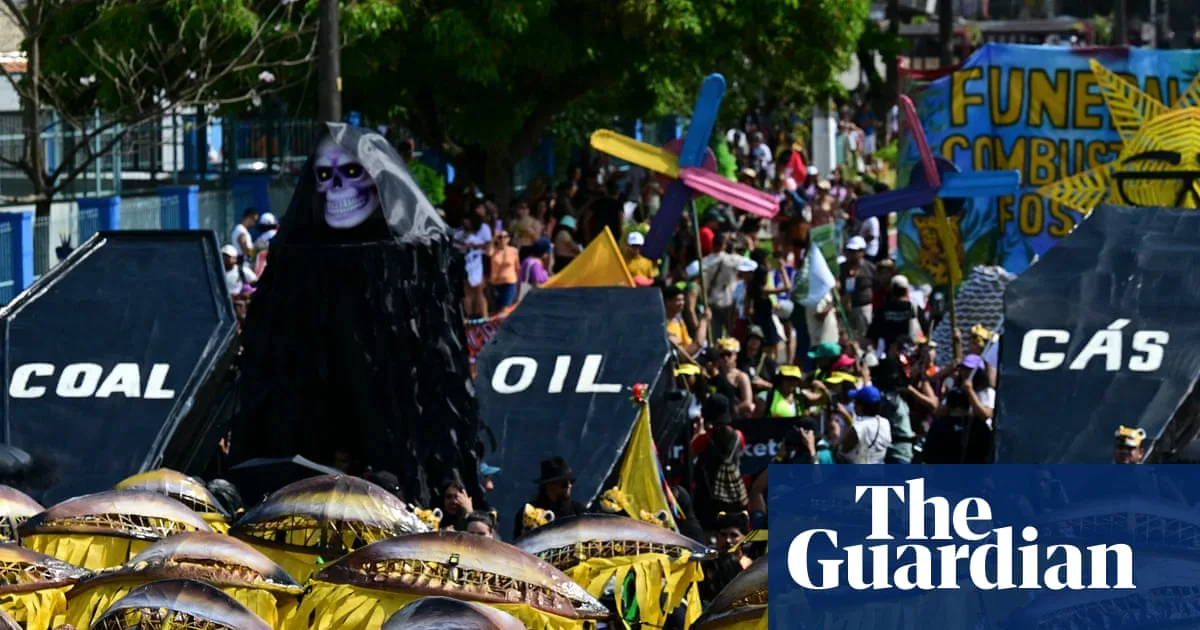
The conference will feature a "people's summit" to amplify voices from Indigenous communities, marginalized groups, and social movements. Oswaldo Muca Castizo of the National Organization of Indigenous Peoples of the Colombian Amazon stressed the need for a fair transition that protects lands from exploitation. Financial support and technology transfer are critical for enabling developing nations to prioritize people over oil reserves, as emphasized by representatives from Tuvalu and climate justice networks.
As nations stand at a fork in the road, Colombia's initiative offers a pathway toward a sustainable future, urging global cooperation to mitigate climate breakdown and foster peace through renewable energy adoption.






