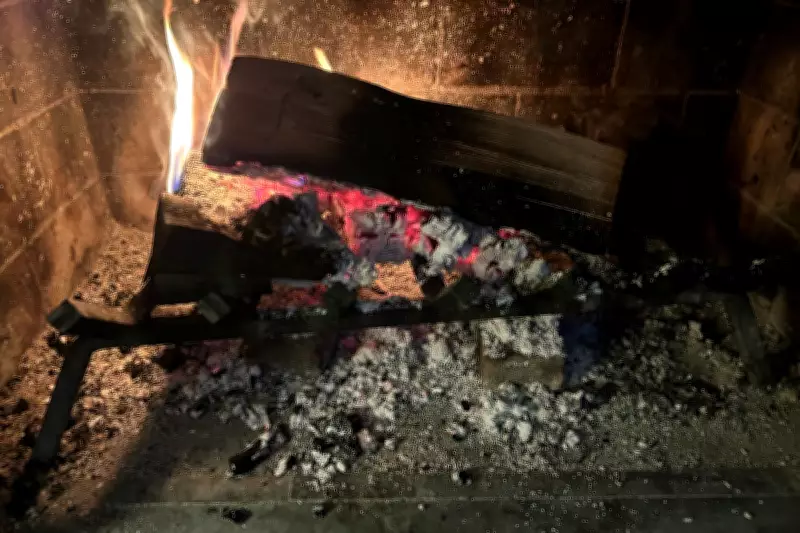
Record Cold Sparks Debate: Can Fireplace Ashes Benefit Your Garden?
As record-breaking cold temperatures continue to grip much of North America this winter, homeowners are finding their fireplaces working overtime. This has led to an abundance of fireplace ashes, prompting many gardeners to question whether these ashes can be put to productive use in their outdoor spaces.
The Potential Benefits of Wood Ash
Wood ashes from burned, untreated wood can indeed offer several benefits for your plants, though experts emphasize important caveats. The ashes contain valuable nutrients including potassium, which supports overall plant health, phosphorus that promotes strong root systems, and calcium that facilitates plants' absorption of other soil nutrients.
Additionally, wood ashes have the effect of raising soil pH, making it more alkaline. This property could prove beneficial for gardeners with naturally acidic soil who wish to cultivate plants such as tomatoes, peppers, and eggplants. However, this same characteristic could spell disaster for those hoping to grow acid-loving plants like rhododendrons, azaleas, or blueberries.

Understanding Soil pH and Limitations
If your soil is already alkaline with a pH of 7 or higher, further raising it with ashes risks interfering with many plants' ability to thrive. Despite the alkalinizing properties of wood ashes, they should not be relied upon as the sole pH-raising amendment for very acidic soils. While they can be helpful for borderline soils, it would require a tremendous amount of ash to change soil pH from too low to neutral.
The only reliable way to determine your soil's pH level is through testing, either with an at-home kit available at garden centers or online, or by bringing a soil sample to your county's cooperative extension office or master gardener clinic for professional testing and amendment recommendations.
Essential Precautions and Application Guidelines
Armed with soil test information, gardeners can make educated decisions about whether ashes will benefit their specific soil and plants. Several crucial precautions must be observed:
Know Your Wood SourceWhatever the wood contains will be absorbed by your soil and subsequently by your plants. Avoid using ashes from treated wood or from trees grown in polluted areas, as these may contain harmful chemicals and contaminants such as heavy metals. Coal ash and charcoal briquette ash should never be incorporated into garden soil because they contain toxins.
Make Necessary PreparationsBefore spreading ashes, ensure they have cooled completely, which can take a week or more. Sift the ashes through a compost sifter to remove pieces of burned wood and debris. If you don't have a sifter, you can use an old window screen or create your own by affixing 1/2- or 1/4-inch hardware cloth to a large art frame.
Don't Overdo ItIf you obtained dosing recommendations with your soil test, follow them precisely. Otherwise, apply no more than one 5-gallon bucket of ash, roughly 20 pounds, to a 1,000-square-foot area of garden per year. This limit should allow plants to reap the nutritive benefits of ash without adversely raising the soil's pH. Retest annually before reapplying. You can also sprinkle similar proportions of ash over the lawn or add it to compost.
Leave Time Between Application and PlantingIn winter, apply ashes to bare soil without snow cover on a windless day. Moisten well with a gentle shower stream to facilitate absorption and prevent ashes from blowing around. Springtime applications to prepared beds should be made no less than two weeks before planting time. Work ashes 4-6 inches deep with a stiff-tined metal garden rake.
Proper Disposal of Excess Ashes
Avoid disposing of an abundance of ashes by dumping them in a corner of the yard. Large amounts can severely damage your soil, pollute groundwater, and lower the pH of nearby water sources, harming fish and other wildlife. Instead, allow ashes to cool in the fireplace or stove for several days before collecting them into a metal bucket. Buried embers may still be burning, so take care and wear protective gloves.

Cover the bucket and place it outdoors, away from the house, porch, deck, and other structures, for about a week. When you are certain they are completely cooled, bag the ashes and place them in the trash.
Jessica Damiano writes weekly gardening columns for the AP and publishes the award-winning Weekly Dirt Newsletter. For more gardening stories and expert advice, visit the AP gardening hub.