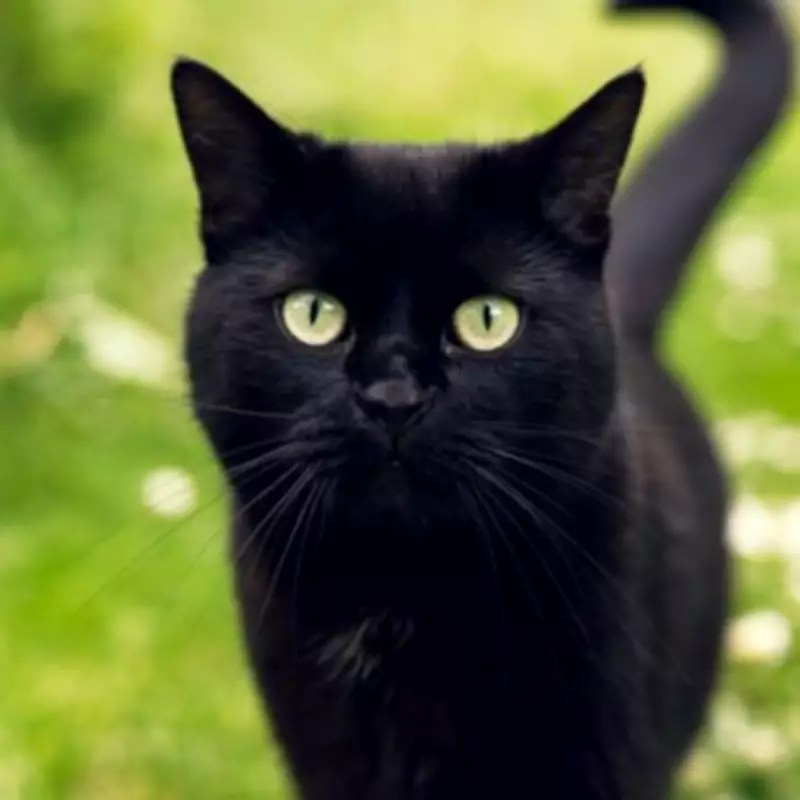
Natural Solutions to Prevent Cats Damaging Your Garden
Whilst cats are cherished as beloved pets across the United Kingdom, they can inadvertently cause significant disruption to carefully tended gardens. Many homeowners find their flower beds treated as litter trays or play areas, leading to frustration and damage. Under the Animal Welfare Act of 2006, it is illegal to harm nuisance neighbourhood cats, making humane deterrent strategies essential for garden preservation.
Expert Advice on Feline Deterrence
A spokesperson for GardenBuildingsDirect.co.uk emphasised the importance of proactive measures. "The UK is famous for its love of animals, but affection for our four-legged friends rarely extends to allowing your garden to become a toilet," they stated. "Nobody wants to cause them any harm, but you've got to try to stay one step ahead if you want to maintain a clean lawn and undisturbed flower beds." Cats are intelligent and may adapt to deterrents, so varying methods regularly is crucial for ongoing effectiveness.
Plant-Based Deterrents That Cats Dislike
Introducing specific plants that cats find unpleasant can effectively encourage them to avoid certain areas of your garden. Successful options include:

- Canina (Lavender): While humans appreciate its fragrance, the scent can be overpowering for cats, making it a natural repellent.
- Garlic: Cultivating garlic in your garden can help deter felines due to its strong odour.
Additionally, scattering coffee granules or citrus peel around the garden perimeter leverages potent scents that cats typically avoid, providing a simple and eco-friendly solution.
Creating Uncomfortable Surfaces
Cats, like many animals, dislike rough or uneven surfaces. Implementing physical barriers can effectively protect flower beds:
- Place chicken wire under mulch or incorporate it into the top layer of soil to create an uncomfortable texture.
- Arrange stones or pebbles around garden edges, as cats tend to avoid areas strewn with these materials.
These methods are non-harmful and can be seamlessly integrated into garden design without causing distress to the animals.
Maintaining a Clean and Unattractive Garden
Above all, maintaining cleanliness is paramount in deterring cats. Key practices include:
- Securing bins to prevent access to food waste.
- Decluttering to eliminate potential hiding spots for mice, which can attract cats.
- Ensuring no food scraps are left outdoors.
The experts further advised: "Check no potential toys are lying around and dispose of any existing cat poo used to mark their territory." By removing attractions and maintaining a tidy space, homeowners can significantly reduce feline intrusions while adhering to animal welfare standards.