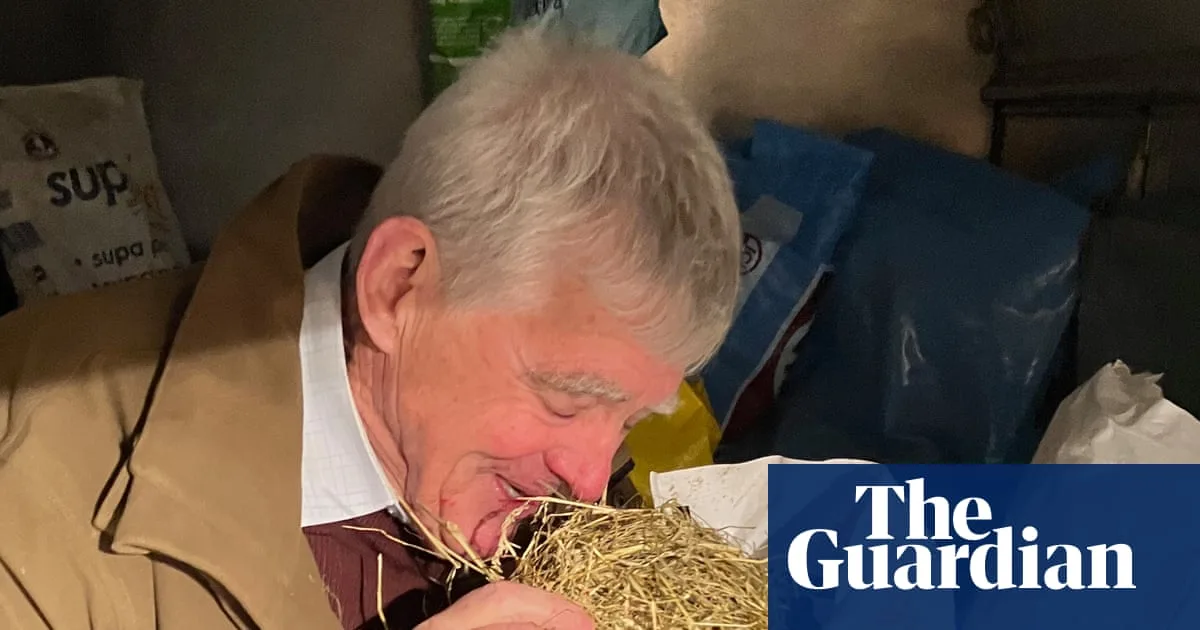
Country Diary: The Quest for the Smelliest Silage
In a unique agricultural investigation, I set out to determine which farm produces the smelliest silage, a fermented fodder used widely in livestock farming. This journey took me across various rural landscapes, where I engaged with farmers and observed their practices firsthand.
Understanding Silage and Its Aromatic Qualities
Silage is created through the anaerobic fermentation of grass or other crops, a process that can generate strong odours depending on factors like moisture content, fermentation quality, and storage methods. The smell is often described as pungent and earthy, with variations that can range from mildly sour to intensely foul.
During my visits, I noted that farms with older or poorly maintained silage clamps tended to emit more potent smells. One farmer explained that improper sealing or contamination can lead to spoilage, significantly increasing the odour. This highlights the importance of good agricultural management in minimising environmental nuisances.
Farm Comparisons and Findings
I visited multiple farms, each with different approaches to silage production. On one dairy farm, the silage had a sharp, acidic smell attributed to high lactic acid levels from efficient fermentation. In contrast, a beef farm's silage emitted a mustier odour, possibly due to slower fermentation processes or the use of different crop mixes.
The strongest smell was encountered at a mixed-use farm where silage had been stored for an extended period without proper aeration. The farmer admitted to challenges in maintaining optimal conditions, leading to a particularly malodorous batch that permeated the surrounding area.
Environmental and Community Impacts
The investigation revealed that smelly silage can affect local communities, with residents sometimes complaining about the odour drifting into residential zones. Farmers are increasingly aware of these issues and are adopting better practices, such as using additives to control fermentation or investing in modern storage facilities to reduce smells.
This exploration underscores the balance between agricultural productivity and environmental stewardship. While silage is essential for livestock feed, managing its olfactory impact remains a key concern for sustainable farming.