Maga-Funded Murals of Slain Ukrainian Refugee Spark Controversy Over Memory Weaponisation
Maga-Funded Murals of Ukrainian Refugee Iryna Zarutska Spark Debate

Maga-Funded Murals of Slain Ukrainian Refugee Ignite Debate Over Memory and Politics

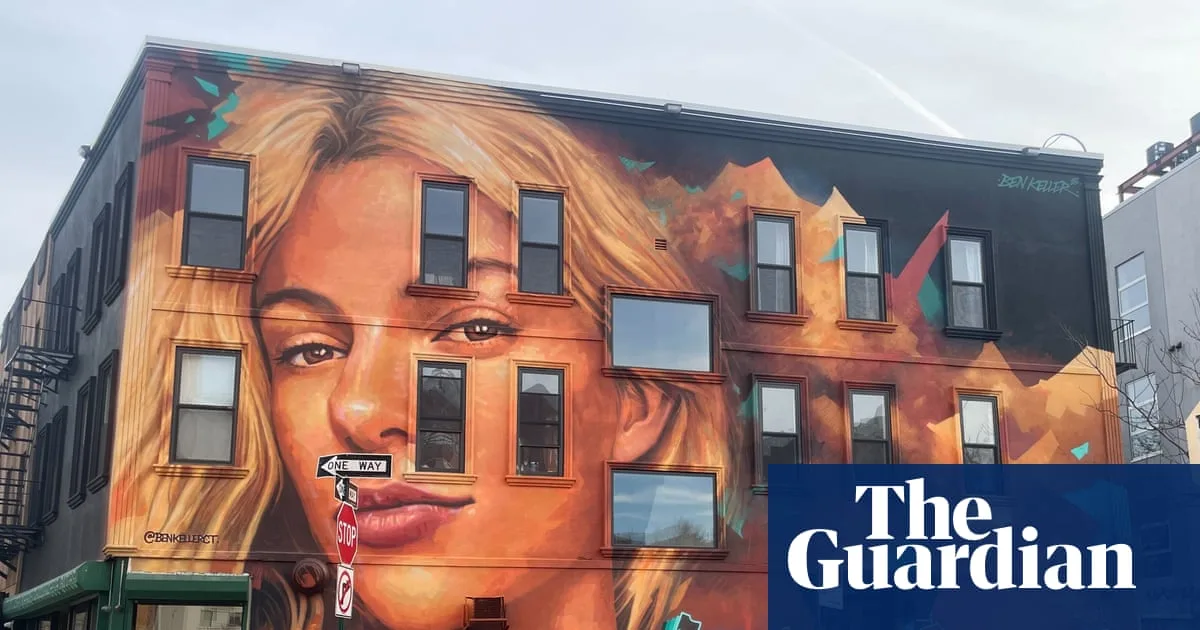
A series of striking new murals depicting Iryna Zarutska, a 23-year-old Ukrainian refugee tragically killed last year, have appeared across American cities, from Bushwick in New York to Los Angeles and Miami. Funded by prominent Maga figures including Elon Musk and Intercom CEO Eoghan McCabe, the project has raised over $1 million, but it has sparked intense controversy over whether it honours a victim or weaponises her memory for political purposes.

The Tragic Story Behind the Murals

Iryna Zarutska was stabbed to death while riding the light rail in Charlotte, North Carolina, in September 2025, as she travelled home from her job at a local pizzeria. The attack, captured on surveillance footage that went viral, was allegedly carried out by Decarlos Brown Jr, a man with documented mental health issues and a criminal history. Zarutska had fled the war in Ukraine, settling in the US with aspirations to become a veterinary technician. She lived with her boyfriend, who was teaching her to drive, and cherished cooking traditional Ukrainian dishes like katleti and borscht.

Political Exploitation and Funding Sources

Following her death, conservative circles seized upon Zarutska's murder as an emblem of what they perceive as rampant urban violence. Donald Trump called for the "death penalty" for Brown on Truth Social, labelling him an "animal." Elon Musk claimed mainstream media was ignoring the story due to Zarutska's race, while JD Vance blamed "soft-on-crime" policies. The fundraising drive began when McCabe pledged $500,000 for murals, with Musk contributing $1 million. Additional donations flowed through GiveSendGo, a platform known for hosting campaigns for right-wing causes.

So far, murals have been painted in multiple locations, including a towering two-story depiction in Bushwick on the side of Formosa, a Taiwanese dumpling restaurant. The artworks, often described as "sterile" or "glamour shots," feature Zarutska with a blank expression, her name in girly cursive below. Connecticut-based artist Ben Keller, who has previously painted murals of Musk and Jeff Bezos, collaborated on the Bushwick piece.

Community Backlash and Critical Perspectives

Local reactions have been mixed, with some residents expressing discomfort. In Bushwick, graffiti reading "Fuck Trump" was added to the mural shortly after its completion, highlighting the political tensions. Stefano Bloch, an associate professor at the University of Arizona who studies public art, criticised the project as a "hijacking of the moral aesthetic" of traditional memorial murals. He noted that grassroots memorials, like one for Aaron "SK8" Anderson in Los Angeles, emerge organically and are respected for decades, whereas the Zarutska murals represent a top-down, privatised approach that lacks authenticity.

RJ Rushmore, a street art curator, compared the murals to "marking territory," suggesting they weaponise Zarutska's memory rather than genuinely honour her life. Critics argue that the political narratives overshadow Zarutska's humanity, reducing her to a symbol in a broader ideological battle.

Contrasting Approaches to Memorialisation

Not all tributes to Zarutska are politically charged. In Pensacola, Florida, an artist known as Rod Man painted a mural independently, driven by compassion rather than political motives. He stated he sees "no connection at all" between her death and right-wing ideologies. This contrasts sharply with the funded projects, which have drawn comparisons to George Floyd memorials—though those were largely artist-led and community-funded, emphasising grassroots solidarity rather than external agendas.

The debate raises profound questions about memory, art, and politics in contemporary America. As these murals continue to appear, they serve as a flashpoint in ongoing discussions about crime, immigration, and the ethics of public commemoration.




