Louis Theroux's Manosphere Documentary Criticized for Excluding Women's Voices
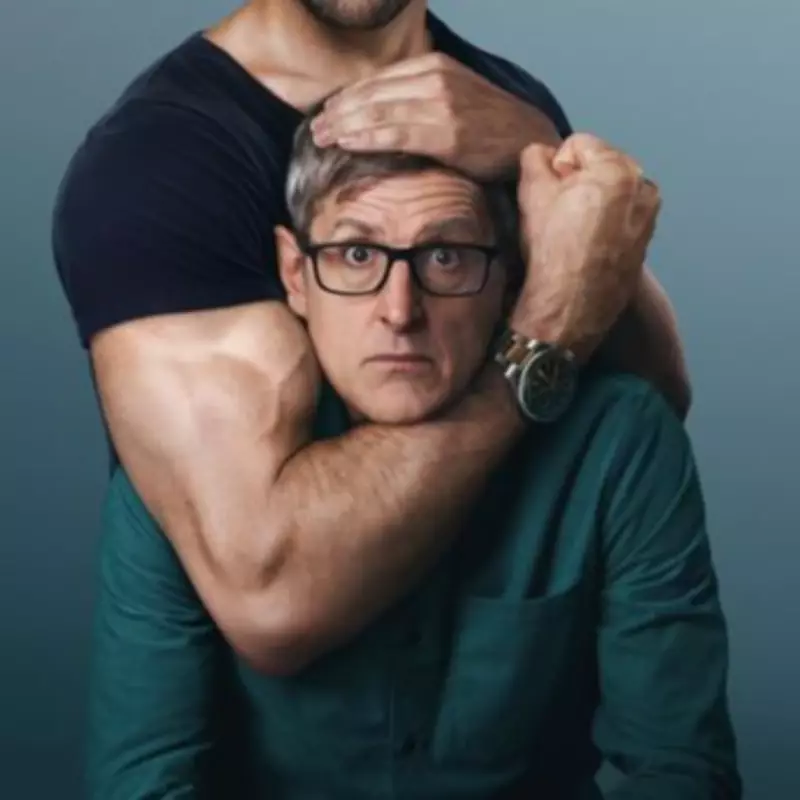
How would you typically describe Louis Theroux? Intelligent, softly-spoken, and neutral are common descriptors. However, after viewing his latest documentary, Inside The Manosphere, released on Netflix on March 11, 2026, terms like 'susceptible to traps' and 'woefully out of his depth' might come to mind. The film explores the Manosphere, a network of social media influencers promoting 'red pill content' and anti-women ideologies, but it raises a critical question: where are all the women?
Exploring Toxic Masculinity Without Female Perspectives
In the documentary, Theroux spends 90 minutes interviewing male influencers such as Harrison Sullivan, who openly states he would disown his daughter if she joined OnlyFans, despite running an agency that promotes accounts on the platform. Other subjects argue that overweight women have no societal value and deny the existence of oppression against women. Theroux employs his signature non-judgmental approach, delving into their childhoods and motivations, aiming to understand their anti-women stance.
His method involves giving these men enough rope to hang themselves, with pushback only when necessary. He likely hopes audiences will see his neutrality as a strategic tool, positioning him as an ally. However, the documentary's significant flaw is its lack of direct, one-on-one conversations with women. While it includes brief appearances by girlfriends, mothers, or an OnlyFans model, these interactions occur with men present and often result in the women defending the influencers, even attacking Theroux himself.

Missing Critical Context and Consequences
The film fails to address the real-world impacts of Manosphere ideologies, such as the rise in domestic violence in the UK, now deemed a national emergency, or political rhetoric targeting women's bodily autonomy, like proposals to use tax policies to incentivize childbirth. By omitting these elements, Theroux's neutrality becomes questionable. He provides ample airtime for misogynistic views without balancing them with perspectives from those most affected—women and feminist voices.
This omission plays directly into the Manosphere's trap. Influencers like these thrive on exposure and legitimacy, regardless of whether they appear slimy or incel-like to outsiders. Being featured in a 90-minute Netflix documentary allows them to monetize and spin the content, gaining credibility while feminist voices are sidelined. As noted in the critique, these men often dismiss opposing views as coming from 'sheeple' or 'betas,' focusing instead on appearing tough to their like-minded followers.
Broader Societal Patterns and Personal Insights
This issue reflects a wider societal trend where toxic ideas about women are tackled by rewarding their promoters with attention. Figures like Andrew Tate gain notoriety, and media narratives, such as those in TV shows or documentaries, often center on male perpetrators rather than female victims. For instance, storylines about incels in programs like EastEnders focus heavily on male characters' thoughts, with less emphasis on the impact on women like Avani, Vicki, and Amy.
Personal experiences with toxic misogynists highlight that these individuals are often unreachable through dialogue, as they have firmly set beliefs and are rewarded for their rhetoric. By giving them platforms, society inadvertently validates their importance, undermining efforts to combat harmful ideologies. Theroux's documentary, while well-intentioned, falls short by not challenging this dynamic, leaving viewers to wonder if neutrality in such contexts is truly effective or merely complicit.
Representatives for Louis Theroux and Netflix were contacted for comment, but no response was provided at the time of writing. The documentary remains available for streaming, prompting ongoing discussions about media responsibility and representation in tackling misogyny.