The Hours: A Queer Classic and Oscar-Winning Transformation
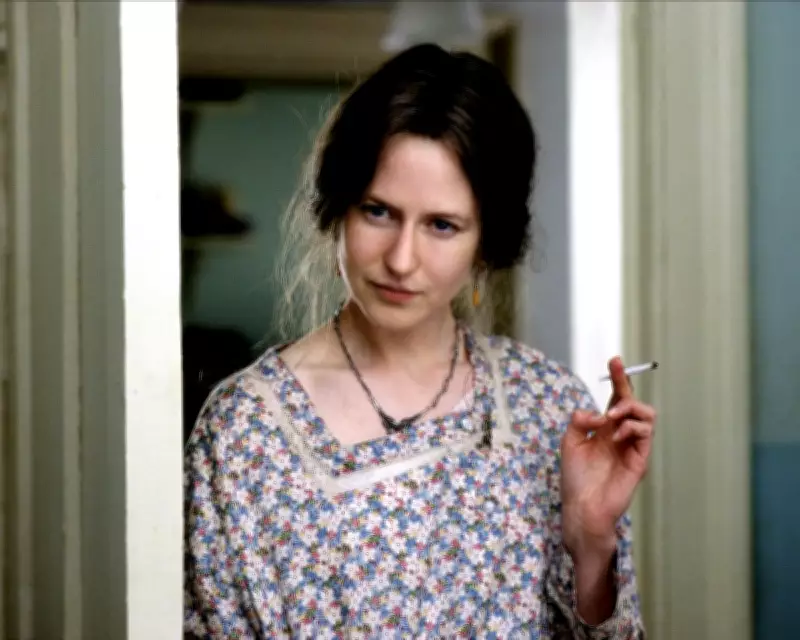
Nicole Kidman famously donned a prosthetic nose for her Oscar-winning portrayal of Virginia Woolf in the 2002 film The Hours, directed by Stephen Daldry. This adaptation of Michael Cunningham's Pulitzer prize-winning novel, inspired by Woolf's 1925 work Mrs Dalloway, explores the lives of three women across different time periods, creating a groundbreaking depiction of queer sexuality throughout the 20th century.
Interwoven Lives and Societal Pressures
The film follows a triptych of characters: Woolf, struggling with depression while writing Mrs Dalloway in 1923; Laura Brown, a repressed housewife reading Woolf's novel in postwar America; and Clarissa Vaughan, a contemporary New Yorker embodying Woolf's titular character. Their interweaving storylines highlight how women, despite sociopolitical advancements, often remain smothered by heteronormative and patriarchal expectations, burdened by roles as wives or mothers before being individuals.
Kidman's performance, enhanced by the prosthetic nose, secured her an Academy Award, often cited as an example of "de-glamming" where actors minimize their beauty for awards. However, dismissing the film as mere "Oscar bait" overlooks Kidman's brilliant, acidic portrayal, channeling personal pain from her divorce into Woolf's quiet despair and rage.

Stellar Cast and Critical Acclaim
Julianne Moore and Meryl Streep deliver career-best performances as women on the verge of nervous breakdowns, with Streep mesmerizing in a climactic breakdown scene. Supported by outstanding actors like Toni Collette, Ed Harris, and Allison Janney, the film was praised for its cast and Philip Glass's musical score upon release.
Embracing Queer Sexuality and Structure
The queer community embraced The Hours for its sympathetic portrayal of queer sexuality across decades. Each protagonist's relationship to queerness is unique, with sexual encounters threatening to unravel their self-understanding. For Woolf and Brown, queerness offers escape from domestic prisons, while for Vaughan, an openly partnered lesbian, it forces confrontation with buried feelings.
The film's non-sequential structure, inspired by Woolf's norm-breaking style, bucks conventional storytelling, highlighting how queerness disrupts linear, "straight" narratives. This approach roots queerness in a shared history that distorts traditional timelines, making the film a landmark in queer cinema.
Available for rent in Australia, the UK, and the US, The Hours remains a poignant exploration of identity, time, and liberation, cementing its status as a queer classic beyond its Oscar accolades.