Monarchy Faces Crisis as Queen Elizabeth II's Centenary Approaches
As the centenary of Queen Elizabeth II's birth draws near, a striking paradox emerges in British public sentiment. While reverence for the late monarch remains fervent, support for the monarchy as an institution has plummeted to unprecedented lows. This divergence underscores a profound crisis of identity within the modern royal family, exacerbated by recent scandals and shifting societal values.
The £289 Teddy Bear and the Cult of Personality
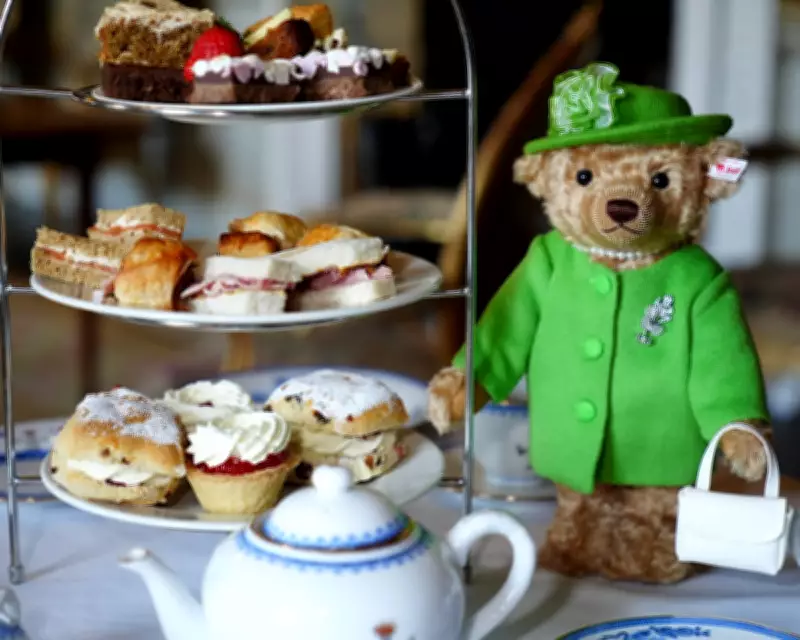
A limited-edition commemorative teddy bear, standing 30cm tall and crafted from finest mohair, retails for £289. Dressed in the queen's signature lime-green ensemble with a white handbag draped over its left paw, this collectible item symbolizes the enduring, almost parasocial relationship many Britons maintained with Elizabeth II. According to Nicolas Metz, managing director at Galerista, the bear captures "how we all remember her"—cuddly, relatable, yet entirely inanimate, serving as a vessel for unthinking veneration.
This phenomenon highlights how the queen functioned as a blank canvas for national projection, a source of effortless content for millions who never knew her personally. Her death in 2022 only intensified this dynamic, with mourners queuing for hours to view her coffin and sharing emotional tributes on social media, often treating her as a cherished family member rather than a distant figurehead.

Scandals and Shifting Public Opinion
Despite this posthumous adoration, the monarchy's reputation has been severely tarnished by controversies, particularly involving Prince Andrew's association with convicted sex offender Jeffrey Epstein. The late queen reportedly assisted Andrew in paying a multimillion-pound settlement to an accuser, yet this aspect of royal duty is conspicuously absent from recent hagiographic biographies and documentaries.
Public polling reflects this growing disillusionment. Last September, the National Centre for Social Research recorded the lowest level of support for the monarchy since records began. A Savanta poll in February 2024 found that only 45% of Britons prefer a monarch over an elected head of state, a stark decline from historical norms.
The Illusion of Stability and the Path Forward
Queen Elizabeth II's seven-decade reign was characterized by constancy and dignity, skillfully navigating political shifts and public expectations through strategic pivots and even lighthearted engagements like Paddington Bear skits. However, her passing has exposed the fragility of this balancing act.
In response, the royal family appears to be adopting a "skinny monarchy" approach, with Prince William reportedly advocating for a smaller, more efficient institution upon his eventual ascension. This mirrors broader debates about the monarchy's role in a post-Enlightenment society—once symbols of power, then decorum, then relatable entertainment, the Windsors now struggle to define their purpose.
The queen famously remarked, "We have to be seen to be believed." Her centenary, marked by subdued commemorations despite opportunities for pomp, suggests that without her visible presence, the monarchy's future is increasingly uncertain. As Jonathan Liew observes, the institution must maintain its elaborate illusions with a straight face, even as public faith wanes and scandals mount.
Ultimately, the divide between enduring affection for Elizabeth II and declining support for the monarchy reveals a nation grappling with tradition, modernity, and the legacy of a figure who once seemed inseparable from the crown itself.