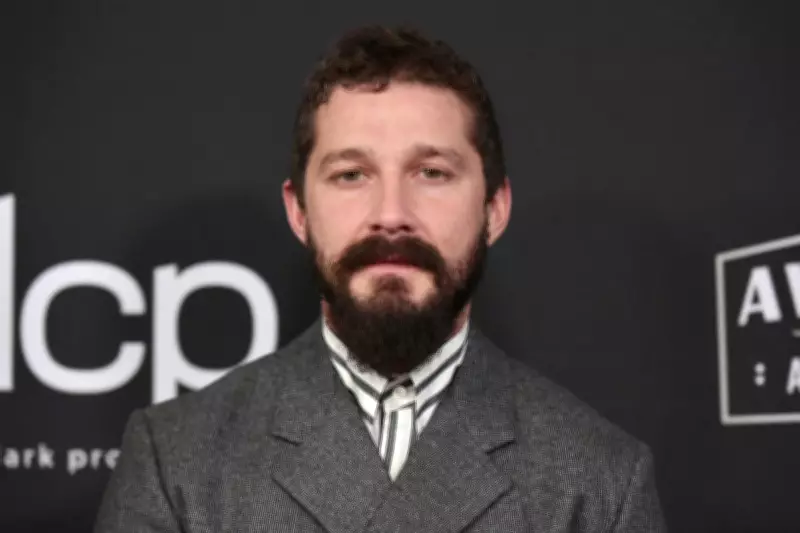
Actor Shia LaBeouf has been embroiled in a serious legal controversy following his arrest in New Orleans, with allegations of a hate crime now overshadowing the initial charges. The incident occurred just after midnight on Tuesday during the Mardi Gras festivities, leading to LaBeouf being taken into custody on two counts of simple battery.
Allegations of Homophobic Slurs and Hate Crime
One of the alleged victims, Jeffrey Damnit, has come forward with claims that LaBeouf targeted him in what he describes as a hate crime. Damnit asserts that after he attempted to de-escalate a tense situation, LaBeouf knocked him over and directed homophobic slurs at him, including the phrase "You're a f*ing f****t".
Evidence and Police Reports
Video footage from the scene reportedly captures LaBeouf using derogatory language towards Damnit while being examined by first responders. Police reports have documented LaBeouf's alleged use of slurs referencing "f****ts" and noted that such behavior could influence the legal proceedings. Damnit is urging prosecutors to upgrade the charges from simple battery to include hate crime enhancements, citing the targeted nature of the abuse.

Legal Proceedings and Social Media Activity
LaBeouf was released from jail on Tuesday after posting bond and is scheduled to appear in court on 19 March for a preliminary hearing. Since his arrest, the actor has taken to social media, posting cryptic messages that have sparked speculation among fans and legal observers alike. These posts have added a layer of public intrigue to the case, though their relevance to the charges remains unclear.
The New Orleans Police Department is continuing its investigation, with authorities reviewing all available evidence, including witness statements and the video footage. If the hate crime allegations are substantiated, LaBeouf could face more severe penalties under Louisiana state law, which includes enhanced sentencing for bias-motivated offenses.
This incident has drawn attention to issues of discrimination and violence in public settings, particularly during large-scale events like Mardi Gras. Community advocates have emphasized the importance of holding individuals accountable for hate speech and actions, while legal experts note the complexities involved in proving hate crime intent in court.
As the case progresses, further details are expected to emerge during the court appearance next month. The outcome could have significant implications for LaBeouf's career and public image, as well as broader discussions on hate crime legislation and enforcement in the United States.