Jean-Michel Jarre Advocates for AI Adoption in Creative Sectors
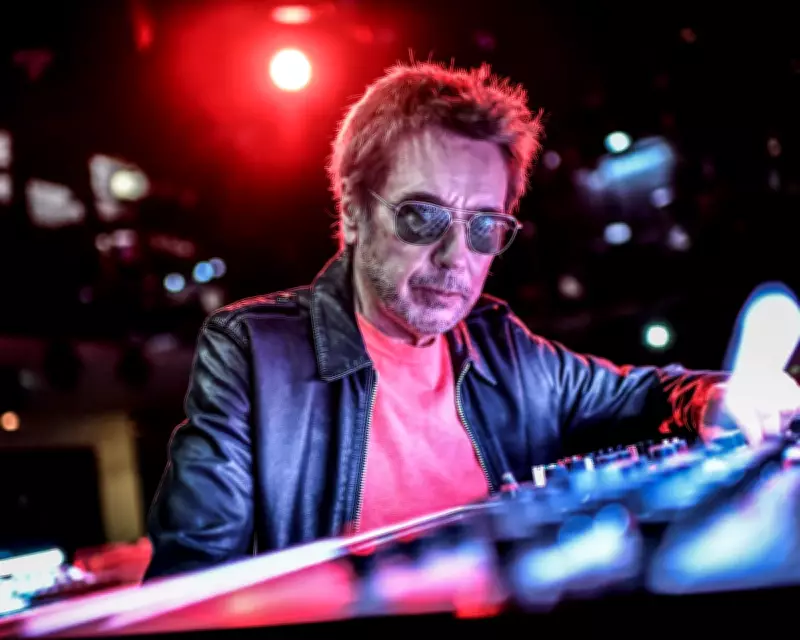
Jean-Michel Jarre, the iconic French musician and a trailblazer in electronic music since the 1970s, has issued a compelling call for the music and film industries to wholeheartedly embrace artificial intelligence. He criticises what he perceives as a conservative and fearful stance towards AI, urging creatives to view it as a catalyst for innovation rather than a threat.
Contrasting Views on AI in the Arts
Jarre's perspective stands in stark opposition to the deep-seated anxieties expressed by other prominent artists, including Elton John and Dua Lipa. These concerns largely revolve around AI models being trained on copyrighted material without proper authorisation or compensation, sparking global legal and legislative battles to protect creators' rights.
Speaking at the launch of the second AI film festival in Cannes, where he serves as an ambassador, Jarre emphasised that AI's ability to generate images and sounds should not be seen as a replacement for human talent. Instead, he draws parallels to historical technological shifts, such as the introduction of moving images and sound in early cinema, which were initially met with resistance but ultimately revolutionised the arts.

AI as a Tool for Future Creativity
Jarre argues that AI represents "augmented imagination," a powerful tool that can unlock new genres and expressions. He points out that every technological revolution, from the advent of electronic music to the Fairlight sampling system in the 1970s, has faced skepticism from established industries. Yet, these innovations led to groundbreaking work by artists like Peter Gabriel and Herbie Hancock.
He dismisses the notion that AI will merely produce imitations, stating, "It's absolutely unfair to reduce the huge possibilities of AI by just thinking of doing a fake pop song, a fake heavy metal song." Instead, Jarre believes AI will foster original creations by harvesting cultural memories and environmental influences in novel ways.
Regulation and Historical Context
While advocating for embrace, Jarre acknowledges the need for rules in what he describes as the "wild west" of current AI development. He reflects on his own experiences, recalling how electronic music was initially rejected by some orchestral musicians who feared it would end their careers. Similarly, he urges today's creatives not to fear AI taking their roles but to leverage it for new modes of expression.
Jarre concludes with an optimistic vision: "It's because we invented electricity that we had Tarantino or Jimi Hendrix. And it's because today we are inventing new AI algorithms that the new genre of cinema and music will be created in the future." His message is clear: the creative industries must evolve with technology to shape the art of tomorrow.