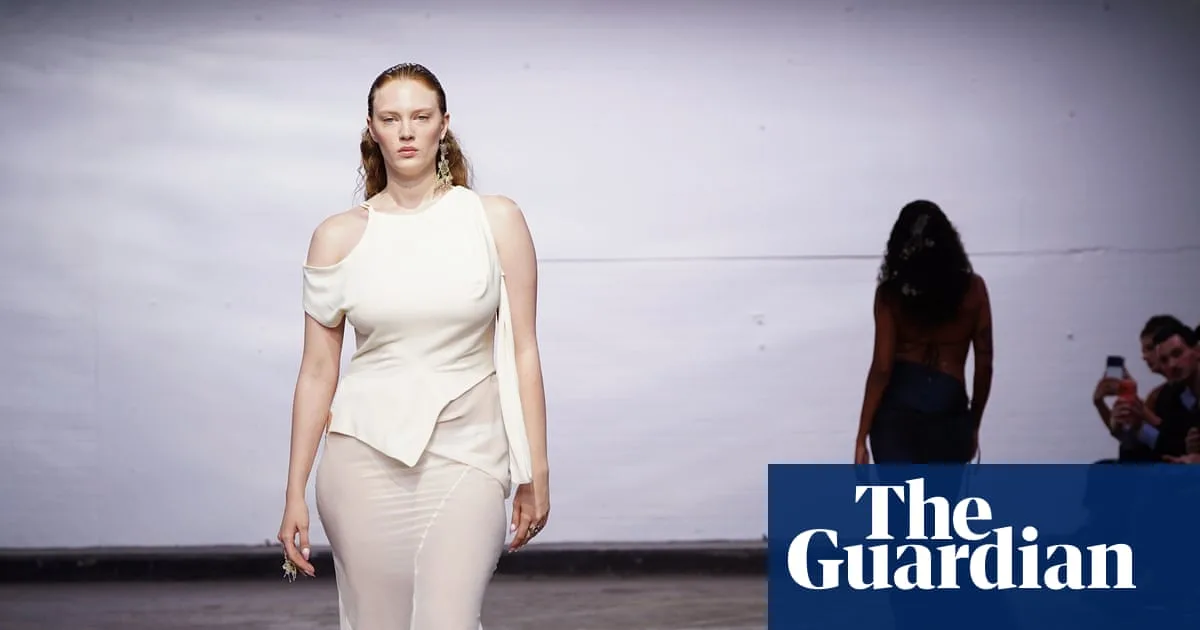
Body diversity has made a comeback at London fashion week, with emerging designers such as Karoline Vitto, Phoebe English and Sinead Gorey featuring a wide range of body shapes on their catwalks. The move comes despite a wider industry trend towards ultra-thinness, which has seen plus-size representation fall to just 0.9% of catwalk looks across major fashion weeks last year, according to Vogue Business.
Karoline Vitto, a London-based Brazilian designer, used the opportunity of her first catwalk show in two years to challenge the narrative that “screams thin is back”. Her size-inclusive brand, founded in 2020, runs from UK size 8 to 22. For the show, she chose models to reflect her sizing, ensuring viewers could see how the garments would look on different bodies. Several of the 23 models covered their own costs to support the show, including high-profile faces such as Jocelyn Corona and Nyakier Buong.
Other designers also embraced diversity. Phoebe English cast her mother and writer Aja Barber among her 12 looks. Yaku Stapleton chose gymnasts, krumpers and contemporary dancers for his gaming-inspired show, while Sinead Gorey celebrated curves with her signature corsetry and high hemlines. Many brands used street casting, a cost-effective method that scouts non-professional models from the high street or social media.
Emma Matell, a casting director whose clients include Tom Ford and Vivienne Westwood, noted that while emerging designers champion body diversity, change must also come from top luxury houses. “The big fashion houses have not been making any effort and that trickles down,” she said, adding that these brands set the example for what is considered commercially viable. The decline in plus-size models reflects a wider normalisation of thinness in Hollywood and mainstream culture, partly driven by drugs such as Ozempic.
Despite the industry’s direction, Vitto remains optimistic. “Inclusivity is not a trend,” she said, pointing to other female-led, size-inclusive brands such as Sinéad O’Dwyer and Ester Manas as pioneers of change. “We know our bodies. We know the pressure,” she added.