The Resurgence of VistaVision: A Vintage Film Format's Oscar-Worthy Return
In an era dominated by digital filmmaking and artificial intelligence, a vintage analog film format from the 1950s is staging a remarkable comeback on cinema's biggest stage. VistaVision, the large-scale film format that powered classic films like Alfred Hitchcock's "Vertigo" and Cecil B. DeMille's "The Ten Commandments," is enjoying a significant revival with multiple Oscar contenders embracing its unique photographic qualities.
From Obscurity to Oscar Nominations
When acclaimed director Paul Thomas Anderson decided to shoot his sprawling American epic "One Battle After Another" using VistaVision cameras, cinematographer Michael Bauman faced immediate practical concerns. "Question one was: Is this even going to be reliable?" Bauman recalls, acknowledging that most remaining VistaVision equipment had been collecting dust for decades.
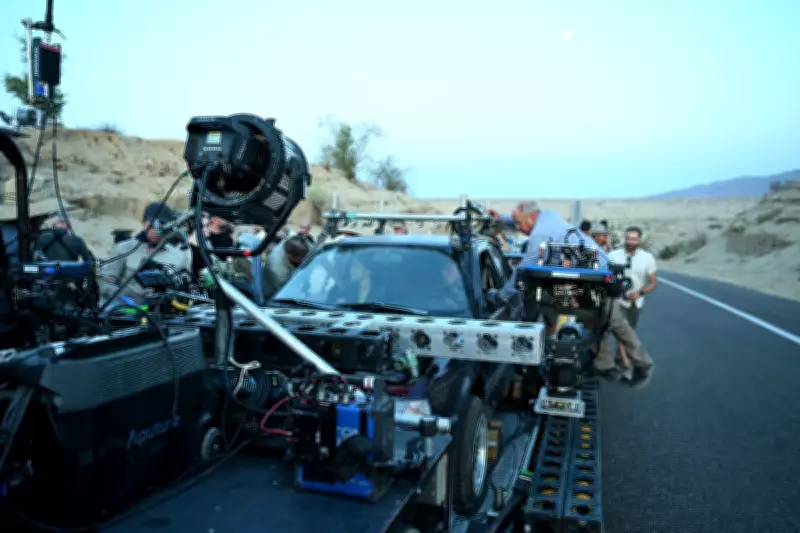
The format, which went largely dormant after 1961's "One-Eyed Jacks," presented substantial technical challenges for Anderson's ambitious project. Bauman estimates the production ran approximately 1.5 million feet of film through antique cameras borrowed from collectors and museums, filming in dusty rural locations that tested the vintage equipment's limits.

Technical Superiority and Artistic Appeal
First introduced by Paramount Pictures with 1954's "White Christmas," VistaVision offers distinct technical advantages over standard 35mm film. The format features double the resolution through its unique horizontal film movement and eight-perforation width compared to normal film's four perforations. This creates higher-resolution images with exceptional clarity that many contemporary filmmakers find compelling.
"It's a revitalization of a level of the craft of cinematography," explains Bauman, who earned an Oscar nomination for his work on "One Battle After Another." "Photochemical has got a strong voice in the room, still." The cinematographer estimates approximately 80% of the film was shot using VistaVision equipment.
A Growing Movement Among Auteurs
The current VistaVision revival gained momentum with last year's Oscars, when Lol Crawley won Best Cinematography for "The Brutalist," which extensively utilized the format. This year's awards season sees multiple high-profile directors embracing VistaVision for its distinctive visual qualities.
Following positive experiences with the format in 2023's "Poor Things," director Yorgos Lanthimos and cinematographer Robbie Ryan shot the Best Picture-nominated "Bugonia" using VistaVision. Emerald Fennell employed the format for her recent adaptation of "Wuthering Heights," while Greta Gerwig has turned to VistaVision for her upcoming "Narnia" film. Even celebrated director Alejandro Iñárritu and cinematographer Emmanuel "Chivo" Lubezki have utilized VistaVision for their forthcoming project "Digger."
Practical Challenges and Artistic Rewards
Working with VistaVision presents significant practical difficulties. The cameras are notoriously awkward, noisy, and require specialized handling. For "One Battle After Another," much of the equipment came from actor Giovanni Ribisi's personal collection, including a rare Beaumont VistaVision camera prized for its mobility compared to traditional models.
"It's not something that you can just press a button and you just let it roll for two hours," Ribisi observes. "It fights back a little bit, maybe too much. You kind of have to earn it, and I like that." This tactile, demanding quality appeals to filmmakers seeking a more engaged, intentional approach to cinematography.
Theatrical Exhibition Challenges
The VistaVision revival extends beyond production to theatrical exhibition, presenting unique challenges for modern cinemas. For "One Battle After Another," only four theaters worldwide could project the film in its native VistaVision format, requiring extraordinary measures to accommodate the vintage equipment.
The Coolidge Corner Theatre in Brookline, Massachusetts borrowed projectors from the George Eastman Museum, removing all other equipment from their projection booth to accommodate the massive machines. Electricians worked overnight to prepare the systems, creating a spectacular display of film running up walls and across ceilings.

"Film was running up the wall, across the ceiling, across the projector horizontally," describes Mark Anastasio, artistic director at the Coolidge. "It just looks so wild and alien to everything we've seen before. It made the booth come alive." The theater's VistaVision screenings of "One Battle After Another" became its highest-grossing feature ever, demonstrating audience fascination with the format.
Historical Context and Contemporary Relevance
VistaVision originally emerged in the 1950s as Hollywood's response to television's growing popularity, offering superior image quality that home screens couldn't match. Today's revival coincides with new anxieties about streaming services and ever-larger home televisions, with filmmakers using distinctive formats as both artistic statement and theatrical selling point.
This parallels movements by directors like Christopher Nolan promoting IMAX cameras and Ryan Coogler's use of 70mm film for "Sinners." In an increasingly homogenized media landscape, VistaVision represents a commitment to distinctive photographic character and theatrical spectacle.
As Mona Fastvold, co-writer and producer of "The Brutalist," explains: "We were excited by the colors and the feeling and the weight of the camera. It limits how you move it and dictates the shots, which I think is something that also helps to transport you back to the period." This intentional limitation becomes creative advantage, forcing deliberate compositional choices that many filmmakers find liberating.
The VistaVision revival demonstrates that even in 2026's technologically advanced film industry, vintage analog methods can still captivate audiences and earn Oscar recognition. As digital filmmaking becomes increasingly standardized, this return to photochemical processes represents both nostalgic homage and forward-looking innovation in cinematic storytelling.