Lost Doctor Who Episodes Rediscovered After Decades
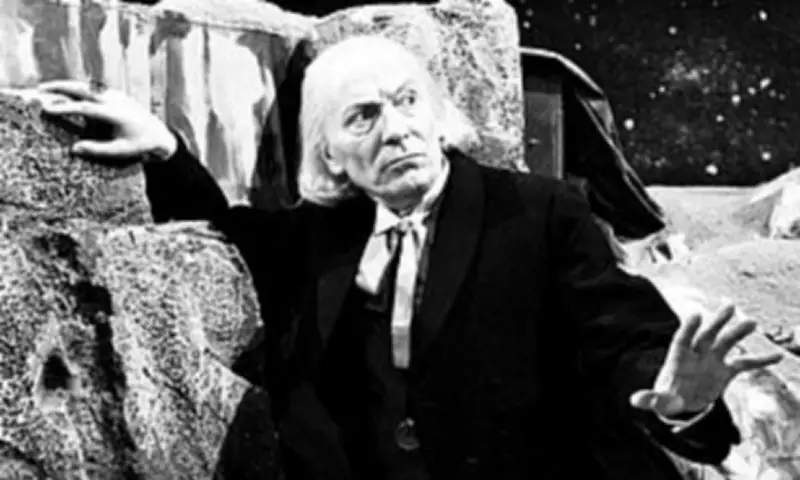
In a remarkable discovery for television history, two missing episodes of the iconic British series Doctor Who from the 1960s have been unearthed within a ramshackle assortment of vintage films. The episodes, titled The Nightmare Begins and Devil's Planet, originate from the show's third series, known as The Daleks' Master Plan. These installments feature William Hartnell as the First Doctor, alongside Peter Purves as companion Steven Taylor, with supporting roles from Nicholas Courtney, Adrienne Hill, and Kevin Stoney.
Decades of Obscurity and Restoration
Penned by the celebrated writer Terry Nation, these stories had not been viewed by the public since their original UK television broadcasts in 1965 and were long presumed lost forever. The charitable trust Film is Fabulous! identified the episodes within a private collection. Following this discovery, the BBC Archives undertook meticulous restoration work on the original 16mm telerecordings, enhancing them to broadcast quality. They are scheduled to debut on BBC iPlayer in the coming weeks, offering fans an unexpected Easter treat.
Noreen Adams, Director of BBC Archives, expressed enthusiasm about the find: "We're thrilled to have worked with the team at Film is Fabulous! to bring these lost Doctor Who episodes to viewers on BBC iPlayer this Easter. BBC Archives has been working to restore the original recordings and update these to broadcast quality, ensuring fans can enjoy a little extra treat with their Easter Eggs this April."

Historical Context and Recovery Challenges
This announcement marks the first public revelation of lost Doctor Who episodes since 2014. The Nightmare Begins originally aired in November 1965, with Devil's Planet following two weeks later. An intervening episode, Day of Armageddon, was recovered by a former BBC engineer in 2004, but significant portions of its dark and gritty narrative remain missing due to archival wiping practices.
The series The Daleks' Master Plan faced limited international distribution after censors in Australia and New Zealand deemed it excessively violent, reducing its commercial appeal. Additionally, the transition to colour broadcasting led to the devaluation of black-and-white content, resulting in many episodes being discarded. However, technicians preserved some copies for quality assessment, which eventually found their way into private hands.
The Collection and Its Origins
The episodes were part of an eclectic collection donated to Film is Fabulous! following the passing of an anonymous collector. Professor Justin Smith, chair of trustees at FIF, described the recovery process: "We travel all over the country to recover film collections from private hands. A lot of the films had suffered water damage and the cans had corroded. These are gems in what was an eclectic and ramshackle collection, a lot of which hadn't been looked after, as well as the Doctor Who. The collector did recognise what he had, but how he acquired them has been lost to time." The collection primarily focused on the collector's passions for trains and canals, including numerous home videos.
Emotional Reactions and Future Screenings
Original cast member Peter Purves experienced a poignant moment during a special screening in Leicester on March 11. Invited under the guise of media interviews about 1960s television, the 87-year-old actor was overcome with emotion upon realizing he would watch the long-lost episodes. He confessed, "I'm speechless, knocked out," later adding, "My flabber has never been so gasted." Purves revealed he had "never forgiven" the BBC for losing the episodes and noted that the visuals felt unfamiliar despite recalling the stories.
A special screening organized by FIF, featuring Purves as guest of honour, is set for April 4 in London to coincide with the BBC iPlayer release, celebrating this significant recovery in television heritage.