The Dark Side of Television Fame: When Casts Clash Off-Screen
For audiences, television series often appear as harmonious ensembles where actors form close-knit families. However, the reality behind the cameras frequently involves intense rivalries, cliques, and conflicts that mirror high school dynamics. Recent revelations from numerous stars have exposed the toxic environments that existed on sets of some of television's most beloved shows.
Charmed's Fractured Sisterhood
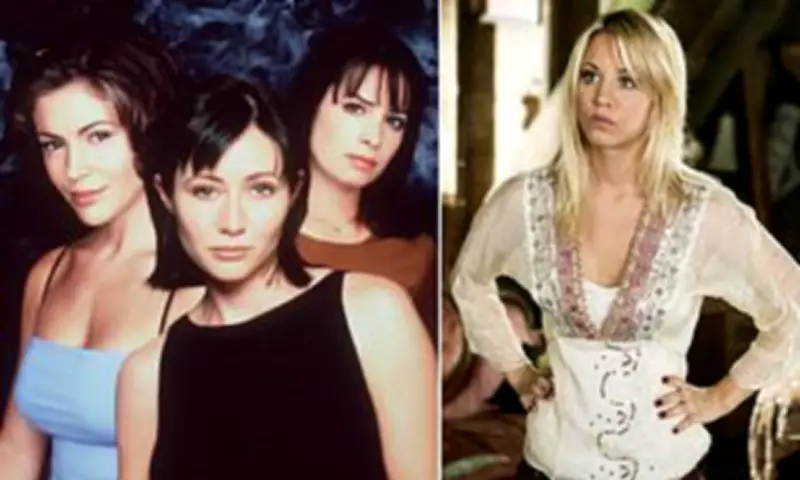
Kaley Cuoco recently opened up about her challenging experience joining the Charmed cast during its eighth season in 2005. The actress described an "intense and cliquey" atmosphere that left her feeling overwhelmed. While Alyssa Milano warmly welcomed her with a hug, Cuoco revealed Rose McGowan gave her a much colder reception, leaving her uncertain about their relationship.
The Charmed drama extends beyond Cuoco's experience. Original cast member Shannen Doherty claimed Milano created a "weird divide" among the cast that ultimately contributed to her departure from the series. In a 2023 podcast appearance with Holly Marie Combs, Doherty alleged that Milano and her mother attempted to restrict access to Combs after surgery, creating tension that persisted throughout production.

Milano responded to these accusations by expressing sadness that the show's legacy had been "tarnished by a toxicity" that continues decades later. Following Doherty's passing in July 2024 after her battle with breast cancer, Milano paid tribute while acknowledging their "complicated relationship."
Iconic Shows Marred by Conflict
Sex and the City fans were disappointed to learn that Sarah Jessica Parker and Kim Cattrall's real-life relationship starkly contrasted with their on-screen friendship. Their feud became public during negotiations for the film adaptations, with Cattrall accusing Parker of cruelty and exploitation. The tension culminated in Cattrall's absence from the And Just Like That... reboot, except for a solitary cameo in the second season finale.
Gossip Girl stars Blake Lively and Leighton Meester maintained a professional distance despite portraying best friends Serena van der Woodsen and Blair Waldorf. Sources revealed they "avoid each other like the plague" on set, with their publicist confirming they were never close friends. Writer Josh Safran noted their differing personalities contributed to the lack of connection between the co-stars.
Glee featured one of television's most documented feuds between Naya Rivera and Lea Michele. Rivera detailed their rivalry in her memoir, describing how Michele disliked sharing the spotlight as Santana's character gained prominence. By the show's sixth season, the two reportedly refused to speak to each other on set.
Additional Notable Television Conflicts
The Fresh Prince of Bel Air saw tension between Janet Hubert and Will Smith that lasted decades. Hubert accused Smith of disrespectful behavior and branded him an "egomaniac" before their eventual reconciliation during a 2020 reunion special.
Grey's Anatomy experienced controversy when Isaiah Washington was fired after accusations of using a homophobic slur. Washington later claimed his dismissal was intended to cover up "toxic behavior" from other cast members, particularly Patrick Dempsey.
Cheers stars Kelsey Grammer and Ted Danson revealed a thirty-year feud that began during their time on the iconic sitcom. The two recently reconciled, with Danson apologizing for their prolonged estrangement.
The Vampire Diaries co-stars Nina Dobrev and Paul Wesley admitted they "despised" each other during the show's early seasons, despite their convincing on-screen chemistry as romantic leads.
The Golden Girls featured behind-the-scenes tension between Betty White and Bea Arthur, with Arthur reportedly using profane language to describe her co-star according to casting director Joel Thurm.
The Pattern of Television Turmoil
These revelations highlight a consistent pattern across television history where long-running shows develop complex interpersonal dynamics. Factors contributing to these conflicts include:

- Established casts resisting new additions
- Competition for screen time and storylines
- Personality clashes among strong-willed performers
- The pressure of maintaining successful franchises
- The challenge of separating professional and personal relationships
Cuoco perfectly captured the awkwardness of joining an established series, comparing it to "walking into someone's family dinner." This sentiment resonates across many of these documented conflicts, where newcomers faced cold receptions from veteran cast members protective of their television "family."
While these feuds sometimes resolve over time, as demonstrated by Grammer and Danson's reconciliation, others persist for decades, affecting both the individuals involved and the shows' legacies. The entertainment industry continues to grapple with creating healthier work environments that prioritize professional collaboration over personal conflicts.