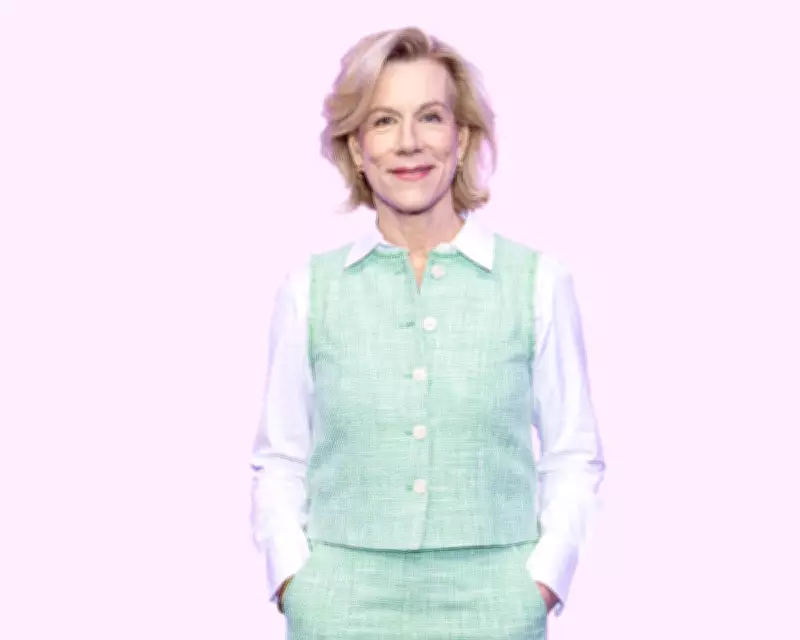
Juliet Stevenson, the acclaimed actor known for her roles in Truly, Madly, Deeply and Bend It Like Beckham, has opened up about her personal struggles, career regrets, and changing views on marriage in a candid interview.
On Personal Traits and Superpowers
When asked about the trait she most deplores in herself, Stevenson admitted, 'I talk too much.' In others, she deplores cruelty. Describing herself in three words, she said: 'Impulsive, enthusiastic, determined.' Her chosen superpower would be healing the sick.
On Appearance and Body Image
Stevenson revealed her lifelong struggle with body image, saying, 'I’ve never been very keen on what I look like. I’ve struggled with body image all my life.' When asked what she dislikes most about her appearance, she replied, 'Most of it.'

On Grief and Regret
If she could bring something extinct back to life, Stevenson would choose her father, who died young and never knew her children. She described this as 'a constant source of grief.' Her biggest disappointment? 'I really wanted a role in Harry Potter and I never got one.'
On Marriage and Changing Views
Stevenson, who once vowed never to marry, changed her mind after lockdown. 'I used to think it was patriarchal but when same-sex marriage became legal, I thought: OK, great, this institution has finally changed.' She and her partner married as soon as they could.
On Driving and Near-Death Experiences
The actor admitted to driving very fast and having many near-death experiences on British roads. 'In another life, I would have liked doing Formula One,' she said.
On Online Abuse and Integrity
Stevenson faces abuse online due to her opposition to the assault on Gaza. 'The abuse is horrific, but I’ve learned to ignore it. The integrity of how you live your life is more important than what strangers think.'
On Guilty Pleasures and Love
Her guiltiest pleasure is watching dogs on Instagram late at night. Love, she says, feels like 'recognition.'
On the Worst Job and Final Reflections
At 17, Stevenson worked in a supermarket, standing by the alcohol to prevent shoplifting. 'They were such horrible employers that I didn’t care whether people shoplifted or not.' If she could edit her past, she would find better care for her mother during dementia. Asked what she would leave her children, she said: 'A deep sense that they will be fine in the world without me.'