Robbie Williams' Angels Songwriting Feud Reignited After 30 Years
An Irish songwriter who claims authorship of Robbie Williams' iconic hit Angels has reignited a bitter feud nearly three decades after the song's original release. Ray Heffernan, who previously sued the British pop star, has taken to social media to assert his role in creating the beloved track, which has sold millions worldwide and become a cultural phenomenon.
Social Media Outburst Rekindles Longstanding Dispute
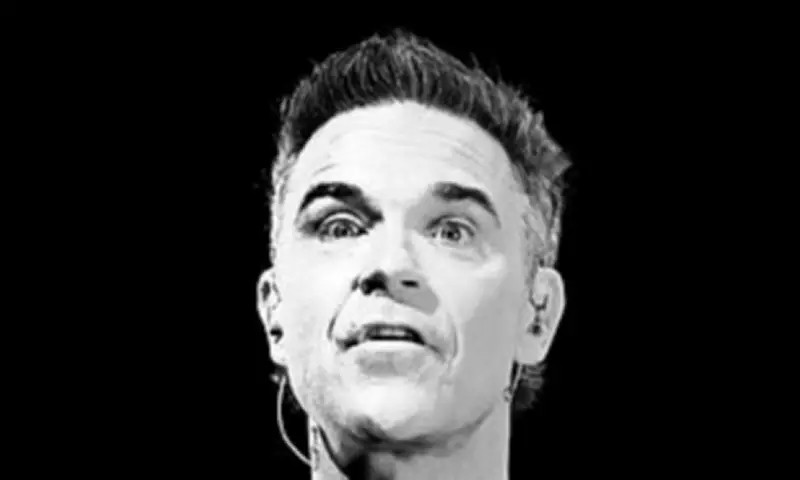
Posting extensively on TikTok, Heffernan has maintained his position that he originally wrote Angels approximately thirty years ago. His renewed campaign follows a recent Radio 2 interview where Robbie Williams discussed his debut album Life Through A Lens, which contained the smash hit single. Williams recalled how the song essentially saved his career after initial disappointing sales figures.
The singer stated: "I was about to be dropped and then fortunately I dropped The Angels, didn't I? And it gave me the career that I've got today. I'm incredibly grateful for that song."

Contested Origins and Financial Arrangements
The origins of Angels trace back to 1996 when Heffernan met Williams during Christmas holidays in Dublin. According to Heffernan's account, he played the song for the former Take That member at his mother's house before they recorded an initial demo version together. Williams has acknowledged recording a demo with Heffernan but insists he substantially reworked the composition with collaborator Guy Chambers, notably adding the memorable chorus line: "And through it all, she offers me protection."
Before the song's 1997 release, Williams purchased the rights from Heffernan for £7,500. Heffernan contends he accepted this deal under false pretenses while only twenty-three years old, with assurances of receiving proper credit that never materialized. He told Ireland's Sunday Independent: "When I asked to be credited on the record, they raised it to £7,500. With the promise my name would be attached, I accepted the deal. Then boom the song took off."
Divergent Perspectives and Legal History
Robbie Williams has consistently maintained that Heffernan's contribution was minimal compared to the extensive rewriting he undertook with Chambers. The British singer has even characterized Heffernan as a "fantasist" and has never officially confirmed co-authorship. Williams revealed he proactively bought the song rights specifically to prevent potential litigation before the track's commercial release.
Heffernan's recent social media activity includes posting archival footage from 1997 showing Williams discussing how he "wrote Angels in a couple of hours." Heffernan captioned this clip: "Body language never lies," suggesting Williams' own words contradict his current position regarding the song's creation.
Enduring Cultural Impact and Recognition
Despite the ongoing controversy, Angels has achieved remarkable success and recognition. Voters at the 2005 Brit Awards selected it as the best British song of the previous twenty-five years. That same year, it was chosen as the single most Britons would play at their funeral, underscoring its emotional resonance with the public. The track transformed Williams' career trajectory after his departure from Take That, elevating him to solo superstar status.
Heffernan continues to advocate for what he calls "fairness for songwriters" through his TikTok platform, sharing his version of events and expressing frustration about the financial arrangement made decades ago. He claims he was inexperienced in studio recording at the time and excited by the prospect of selling his work to a prominent pop star, only to later feel exploited when the song achieved monumental success.
The dispute highlights broader issues within the music industry regarding songwriting credits, intellectual property rights, and the treatment of emerging artists in negotiations with established performers. As both parties maintain their conflicting narratives, the legacy of Angels remains intertwined with this unresolved authorship controversy that has persisted for nearly three decades.