Sydney Biennale 2026 Embraces 'Rememory' with Political Nuance and Artistic Depth
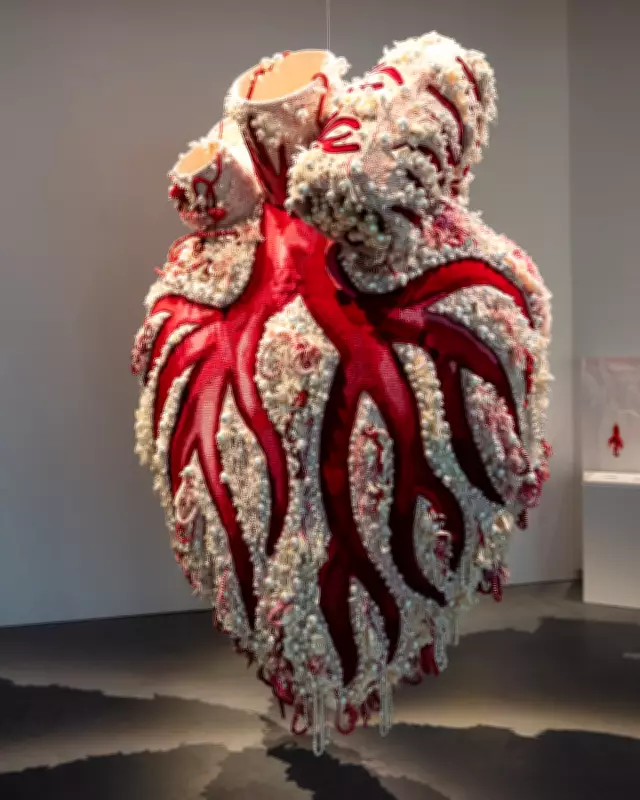
The Sydney Biennale 2026, themed 'Rememory', invites artists to revisit and reassemble histories, creating a tapestry of voices that eschews spectacle for subtlety. Pictured: Hearts of Absent Women (Tree of Family) by Ema Shin. Photograph: Daniel Boud.
Political Undercurrents and Artistic Vision
Prior to its program reveal, the festival faced criticism, with some labeling it a potential "hate Israel jamboree" or a pro-Palestinian hotbed, based on past statements by Emirati artistic director Hoor Al Qasimi. However, the 25th edition, opening across five venues from inner Sydney to Penrith and Campbelltown, defies these expectations. Al Qasimi was absent at the vernissage, yet the biennale emerges as a complex, nuanced event light on slogans and rich in polyphony.
Featuring over 80 artists from 37 countries, the biennale draws from Toni Morrison's concept of "Rememory" to explore ancestral wisdom and envision better futures. It avoids political chants, instead offering a chorus of individual songs that address present dilemmas through historical lenses.

Highlight Installations and Indigenous Contributions
At White Bay Power Station in Rozelle, US artist Nikesha Breeze's Living Histories stands as a monumental yet tucked-away work. Using 2,000 metres of white cotton cheesecloth, reclaimed wood, and archival portraits, Breeze reanimates African American ancestors' experiences from the Born in Slavery archive. The installation includes a replica slave cabin, dream-like animations, and the scent of cloves, creating a sanctuary for contemplation.
Indigenous artists bring generosity and purpose to the biennale. Yindjibarndi elder Wendy Hubert's collaborative artwork at Penrith Regional Gallery, Yindjibarndi Nyinyart, emphasizes reciprocity with bush tucker notes and a garden reflecting millennia of harmony with Country. At the Art Gallery of NSW, Maya artist Sandra Monterroso presents quilted hangings dyed with botanical pigments and embroidered with herbal remedies, speaking softly to reward attentive viewers.
Quietly Powerful Moments and Critical Reflections
Politics permeates the biennale in understated ways. Palestinian artist Taysir Batniji's olive-oil soap blocks carved with "no condition is permanent" and Lebanese diaspora artists' embroidered migratory routes exemplify this subtlety. At the Chau Chak Wing Museum, Khalil Rabah's embroidered tunic, based on the Shellal Mosaic removed from Gaza, stages a quiet protest.
Abdul Abdullah's triptych at the Art Gallery of NSW critiques the 2005 Cronulla riots through renaissance-style paintings of young men in streetwear, offering a stinging appraisal of racial tensions. Meanwhile, collaborative projects like Code Black/Riot by Behrouz Boochani, Hoda Afshar, and Vernon Ah Kee at Campbelltown Arts Centre confront Australia's detention system with poetic imagery and raw testimony, highlighting Indigenous youth experiences.
Beauty with Political Underpinnings
Even in its embrace of beauty, the biennale remains politically grounded. Ema Shin's Hearts of Absent Women (Tree of Family) uses textile and beads to challenge the erasure of women in family records. Kapwani Kiwanga's Flowers For Africa at the Art Gallery of NSW employs floral displays to chart Africa's transition from colonial rule, designed to wither over time.
The gargantuan Ngurrara Canvas II, painted by about 40 elders, asserts native title claims in the Great Sandy Desert, serving as a powerful cultural expression. These works collectively remind viewers that, amidst trauma and loss, tools for a better world exist through memory and art.
The Biennale of Sydney runs from 14 March to 14 June at multiple venues, including the Art Gallery of New South Wales, Campbelltown Arts Centre, and White Bay Power Station.