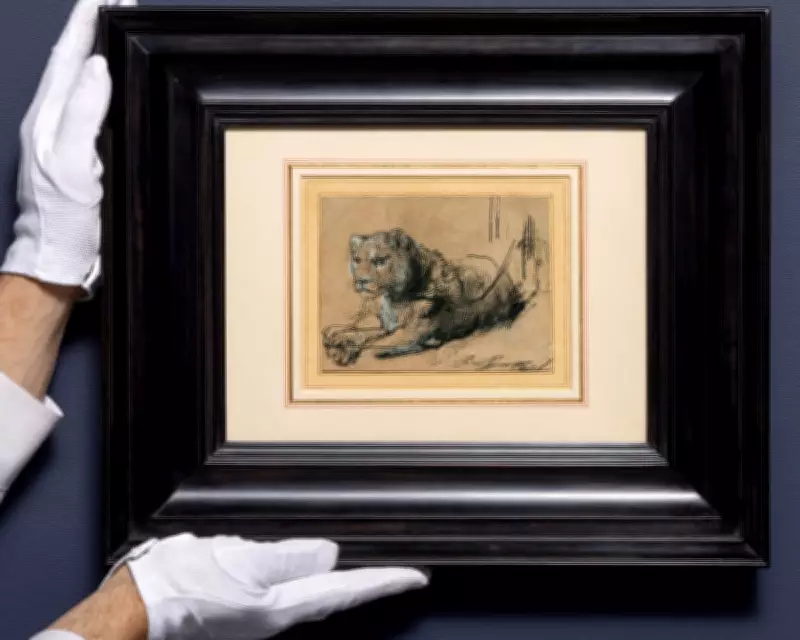
A rare and historically significant drawing by the Dutch master Rembrandt van Rijn, depicting a majestic lion, has been sold at auction for an impressive £12.2 million. The sale took place at a prestigious London auction house, attracting significant attention from international art collectors and conservationists alike.
Proceeds Directed Towards Conservation Initiatives
The substantial proceeds from this landmark sale are being entirely dedicated to supporting global big cat conservation efforts. This includes funding for anti-poaching patrols, habitat preservation projects, and community-based conservation programmes in regions where lions, tigers, leopards, and other big cat species are under threat.
Artistic and Historical Significance
The drawing, created in the 17th century, is celebrated for its exquisite detail and emotional depth, showcasing Rembrandt's masterful skill in capturing the essence of the animal. Art historians have noted that the work provides a fascinating glimpse into the artist's study of wildlife, which was relatively uncommon for the period.

The auction itself was a highly competitive event, with bidding escalating rapidly before the final hammer price was achieved. The identity of the buyer has not been publicly disclosed, but it is understood to be a private collector with a keen interest in both fine art and wildlife preservation.
Impact on Conservation Funding
This donation represents one of the largest single contributions to big cat conservation in recent years. Conservation organisations have welcomed the influx of funds, which will enable expanded protection for endangered species across Africa and Asia. The initiative also highlights a growing trend of leveraging high-value art sales to support environmental and wildlife causes.
Experts in the art market have observed that the sale price reflects not only the artistic merit of the drawing but also the added value of its philanthropic purpose. The auction house reported strong interest from bidders who were specifically motivated by the opportunity to contribute to a meaningful conservation effort.
Looking ahead, this successful auction may set a precedent for future art sales with charitable components, potentially encouraging other collectors and institutions to align significant cultural assets with pressing global conservation needs. The Rembrandt lion drawing thus stands as a powerful symbol of how art and philanthropy can intersect to create a lasting positive impact on the natural world.