In a vibrant celebration of urban life, the Centre for Contemporary Photography and Perimeter Editions have launched a new zine titled STREET by Hussein Abdirahman Mohamud. This publication, part of the CCP.PE.ZINE series, debuted on 31 January and is now available, offering a unique glimpse into Melbourne's dynamic streetscape in the aftermath of the Covid-19 lockdowns.
A Snapshot of a City in Flux
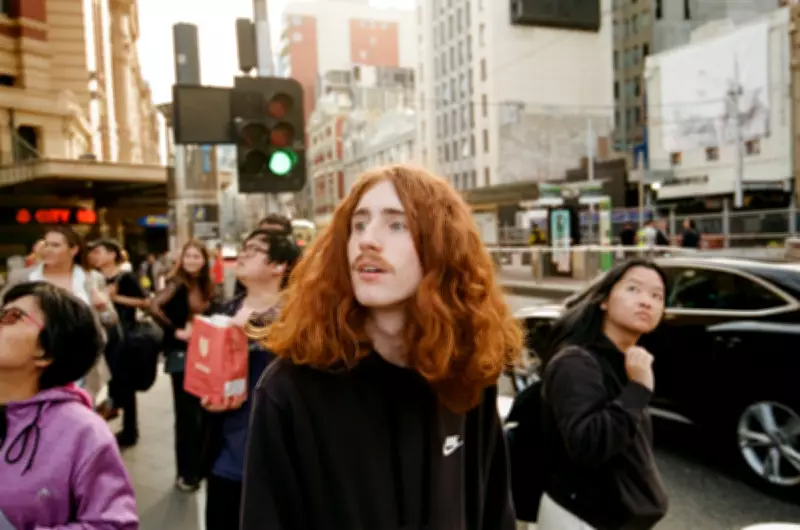
STREET compiles a series of photographs that capture the essence of Melbourne during a period of significant change. The images, drawn from a larger body of work created over recent years, include both portraits and candid shots of individuals navigating the city. According to Mohamud, these photographs emerged organically from time spent walking and engaging with the environment, rather than from staged or planned sessions.
Fleeting Encounters and Daily Life
Many of the photos result from brief encounters where a person, gesture, or pause aligned perfectly for a moment, allowing Mohamud to capture it. Some images are more portrait-like, taken after short exchanges with subjects. As Mohamud explains, these pictures serve as fragments that reflect how daily life is often experienced—in passing, in transition, and frequently without clear resolution.

The zine provides an imperfect yet poignant snapshot of fleeting interactions, with images selected from thousands taken over the years. It aims to convey a sense of the city at a specific moment in time, highlighting the visible changes Melbourne is undergoing.
Supporting Emerging Artists
STREET is part of the CCP.PE.ZINE series, which is dedicated to offering a platform for young and emerging Australian photographers. Each zine in this series focuses on a single body of work by artists carefully selected by the Centre for Contemporary Photography, making their art accessible in a zine format.
About the Artist
Hussein Abdirahman Mohamud is a multifaceted creative based in Naarm, also known as Melbourne, Australia. He works as a photographer, writer, and is currently training as a psychoanalyst, bringing a unique perspective to his photographic projects.
This publication not only showcases Mohamud's artistic vision but also contributes to the broader conversation about Australian art, urban photography, and the evolving identity of cities post-pandemic.