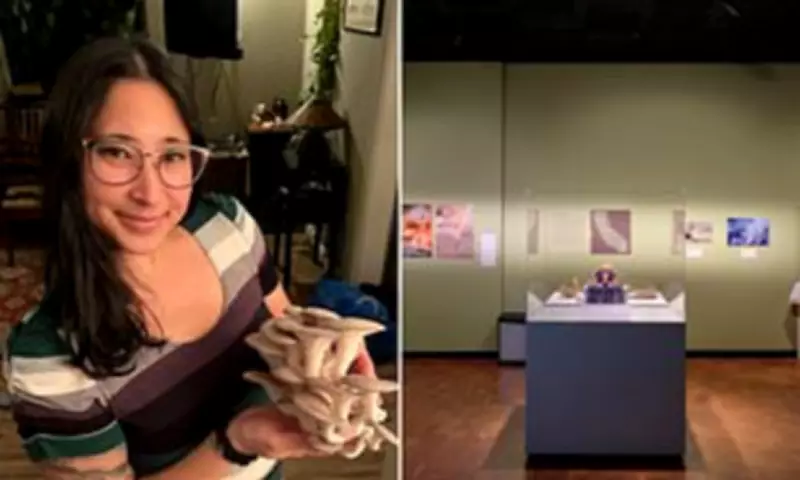
University Museum Staff Engage in Conversations with Inanimate Tribal Artifacts
In a remarkable demonstration of cultural sensitivity, staff at a University of California museum have begun speaking with inanimate Native American artifacts to provide them with companionship. This unusual practice follows specific requests from tribal communities as part of broader efforts to respect indigenous cultural protocols.
Expanded Federal Legislation Drives New Museum Protocols
Allison Fischer-Olson, the Fowler Museum's curator of Native American cultures and repatriation coordinator, detailed these practices during a recent webinar. The discussion centered on compliance with the Native American Graves Protection and Repatriation Act (NAGPRA), a federal law requiring public institutions to return Native American human remains to descendants.
Under the Biden administration's 2024 expansion of NAGPRA, public universities must now consult with tribes regarding "culturally appropriate storage, treatment, and handling of all ancestors and cultural items." This regulatory change has prompted museums to implement unprecedented care practices for indigenous collections.

"Cultural Items That May Be Considered Relatives"
When asked to elaborate on culturally appropriate care, Fischer-Olson explained that tribes sometimes request museum staff to "periodically visit and talk to cultural items that may be considered relatives and shouldn't be left alone or be so isolated." She emphasized that "their communities know best in terms of how we should be caring for them while they are here with us."
The curator described her role as involving "a lot of administrative work" and extensive communication with tribal representatives. "We must make a good faith effort to incorporate any of these wishes articulated to us from tribes," Fischer-Olson stated. "And we must seek free prior and informed consent prior to any access, any exhibition, any research on NAGPRA eligible ancestors or cultural items."
Repatriation Efforts and Ethical Reckoning
Last month alone, the Fowler Museum returned more than 760 cultural artifacts under NAGPRA provisions. Fischer-Olson expressed gratitude for her position, stating: "I feel really grateful to be in the role I'm in within the museum and be able to really call out and speak to some of the unethical practices that museums and institutions like UCLA have engaged in previously."
She added: "And actually have an avenue for starting to right those wrongs, and also to ensure that we are putting processes and practices in place to make sure that we do not do them again."
Broader Context of Museum Reform
The February 10 seminar provided detailed insights into Fowler Museum operations and the specific conditions requested by Native American tribes. NAGPRA, originally enacted in the 1990s to facilitate the return of human remains, has recently faced criticism for potential abuse of power while simultaneously driving significant museum reform.
Fischer-Olson's responsibilities extend beyond artifact care to include:
- Ensuring proper consultation with tribes
- Managing repatriation processes
- Overseeing disposition of cultural items
- Facilitating tribal access to human remains and cultural artifacts
The museum's virtual tour features a piece by Lazaro Arvizu Jr. titled "Sand Acknowledgement," which critiques performative land acknowledgments that yield no substantive outcomes. Land acknowledgments have become increasingly common as institutions recognize areas as traditional indigenous homelands.
This developing story represents a significant shift in how cultural institutions approach the stewardship of indigenous artifacts, balancing legal requirements with deeply held cultural beliefs about the nature of material heritage.