Major Restoration Project Begins on Michelangelo's Iconic Sistine Chapel Fresco
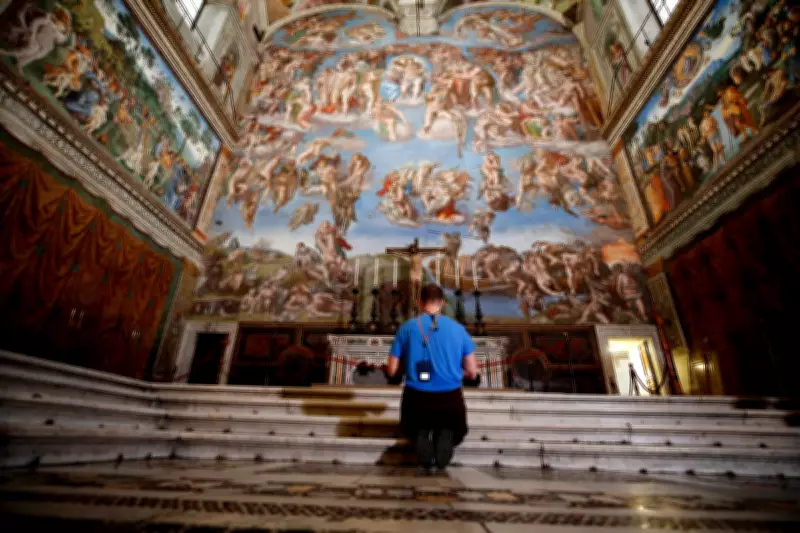
The Vatican has announced the commencement of a significant three-month restoration project for Michelangelo's monumental fresco, 'The Last Judgment', which dominates the Sistine Chapel. This marks the first major cleaning of the iconic artwork in over three decades, with the last comprehensive restoration taking place in 1994.
Preserving a Masterpiece for Future Generations
According to a statement released by the Vatican Museums on Monday, the restoration work will focus on removing a "widespread whitish haze" that has accumulated on the plaster surface of the fresco. This film is produced by the deposition of microparticles from foreign substances carried through air movements within the chapel.
The primary cause of this buildup is the immense volume of visitors to the Sistine Chapel, which remains one of the top destinations within the Vatican Museums. With more than 6 million people visiting the museums annually, the constant flow of tourists into the relatively small chapel space has necessitated this proactive conservation effort.

Continued Access During Restoration
Importantly, the Sistine Chapel will remain open to visitors throughout the three-month cleaning period. However, visitors should expect some obstruction to their view of 'The Last Judgment' as scaffolding will be partially erected to facilitate the restoration work.
The Vatican maintains constant monitoring of humidity and temperature levels within the chapel to protect its priceless artworks, implementing various measures to ensure the long-term preservation of Michelangelo's masterpieces.
Historical Significance of the Sistine Chapel
The chapel itself takes its name from Pope Sixtus IV, an important art patron who oversaw the construction of the main papal chapel during the 15th century. However, it was his successor, Pope Julius II, who commissioned Michelangelo's extraordinary contributions to the space.
The Renaissance master first painted the famous ceiling frescoes, including the iconic 'Creation of Adam' depicting God's outstretched hand, between 1508 and 1512. Michelangelo later returned to paint 'The Last Judgment' on the wall behind the altar, completing this imposing vision of heaven and hell that has captivated visitors for centuries.
The Sistine Chapel continues to serve important functions within the Catholic Church, most recently hosting the May conclave that elected Pope Leo XIV, demonstrating its ongoing significance both as a religious space and as a repository of some of humanity's greatest artistic achievements.