In a quiet terrace house in Islington, London, the ground floor studio of Margaret Calvert is a treasure trove of design history. Packed with road signs, modernist chairs, and traditional drawing tools, it reflects a career that has profoundly shaped how Britain looks and functions. As she approaches her 90th birthday, Calvert remains an active force in design, her work a testament to clarity, elegance, and public service.
From Commercial Art to National Treasure
Calvert's journey began in an era when graphic design was merely termed 'commercial art'. Born near Durban, South Africa, she moved to Britain as a teenager in 1950. Studying at Chelsea College of Art, she immersed herself in London's burgeoning art scene, initially drawn to illustration and teaching. However, her path shifted when she joined Jock Kinneir, her former tutor, in his Knightsbridge office. Starting with mundane tasks like typing—which she deliberately performed poorly to avoid repetition—she quickly proved her mettle through rigorous dedication.
Revolutionising Road Safety and Signage
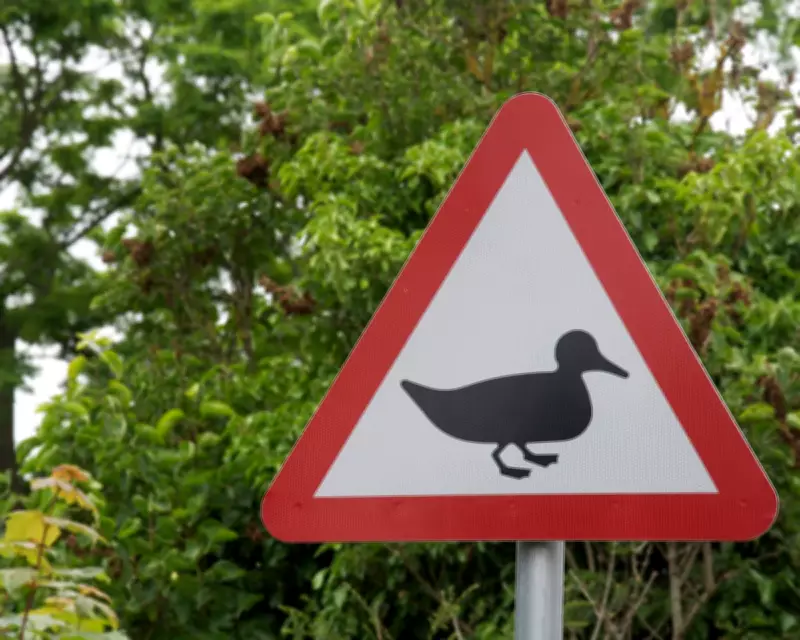
From the late 1950s to mid-1960s, Calvert and Kinneir undertook a monumental project: redesigning Britain's road signage. This effort was part of a postwar push to modernise and expand the nation's road network, replacing a chaotic mix of styles with a unified, rational system. Officially implemented in 1965, their designs have become iconic, praised for lucidity and legibility. Calvert created many of the familiar warning pictograms, such as the careering deer and cantering horse, inspired by Eadweard Muybridge's photography. The static cow symbol, based on a real farm animal named Patience from her childhood in Wiltshire, and the children crossing sign—featuring her own bobbed-haired silhouette—are now ingrained in public consciousness.

The Birth of Transport Typeface
Perhaps Calvert's most enduring contribution is the Transport typeface, developed with Kinneir for road signs. This sans serif font, incorporating both upper and lower case letters for better legibility, faced resistance from traditionalists in what she calls the 'Battle of the Serif'. Through laborious trials, including tests with signs strapped to moving cars, their modern approach prevailed. Transport has since become Britain's most familiar font, adapted digitally as New Transport for gov.uk, showcasing its timeless appeal. Calvert's own typeface, Calvert, designed in 1971 and used on the Tyne and Wear Metro, further cements her legacy, described as having 'vitality and elegance'.
A Lifelong Commitment to Design and Teaching
After Kinneir's retirement in 1980, Calvert embraced teaching, spending nearly four decades at the Royal College of Art. In a field then dominated by men, she broke barriers, encouraging students to think critically and explore beyond graphics. Her influence extends globally, with former students like Stefan Bufler praising her ability to refine ideas. Calvert's recent book, Woman at Work, chronicles her life and career, offering insights into postwar British design. The cover playfully adapts her 'men at work' pictogram to feature her bobbed hair and a skirt, embodying her wry humour.
Legacy and Ongoing Projects
Calvert's impact continues with upcoming events, including an exhibition in Kyoto and the UK preview of the documentary Give Way to Design in March, tracing road signage history from Roman milestones to her work. Despite her achievements, she remains modest, eschewing trends like branding, which she associates with animal marking. Her philosophy centres on 'head, heart, and hand'—a process-driven approach to improving everyday life. From airports to railways, her designs facilitate movement and safety, a quiet yet powerful force in public life.
As Margaret Calvert celebrates her 90th year, her story is one of resilience, innovation, and timeless design. Her creations, from road signs to typefaces, have not only shaped Britain's visual identity but also enhanced safety and accessibility for millions, proving that great design is, at its core, human-centred.